Play
Pause

2026 Mixed-Use Project of the Year - AZRE Magazine RED Awards
General Contractor: Layton Construction Co.
Structural Engineer: Meyer Borgman Johnson
Civil Engineer: Dibble Engineering
Mechanical/Electrical Engineer: Henderson Engineers Inc.
Landscape: Floor & Associates

Designed by Multistudio, Central Station is a transit-oriented, million-plus-square-foot redevelopment that stitches together two residential towers, office space, retail, and the reconfigured transit center on 2.5 acres at the intersections of Central Avenue, 1st Avenue, and Van Buren Street.
It is designed as a new civic landmark: two high-rise residences – one for market-rate tenants, one for students – rising from a porous ground plane that integrates seamlessly into Civic Space Park and the ASU Downtown Phoenix campus.

The project’s ground plane is conceived not as a fortified solid podium, but as an open civic plaza. Here, residents, commuters, employees, and the public can flow between bus bays, light rail, bike facilities, retail/restaurants, and shaded seating. This ground-level porosity creates a fine-grained, textured urban fabric, positioning Central Station as a model for multimodal development in the nation's 5th largest city.

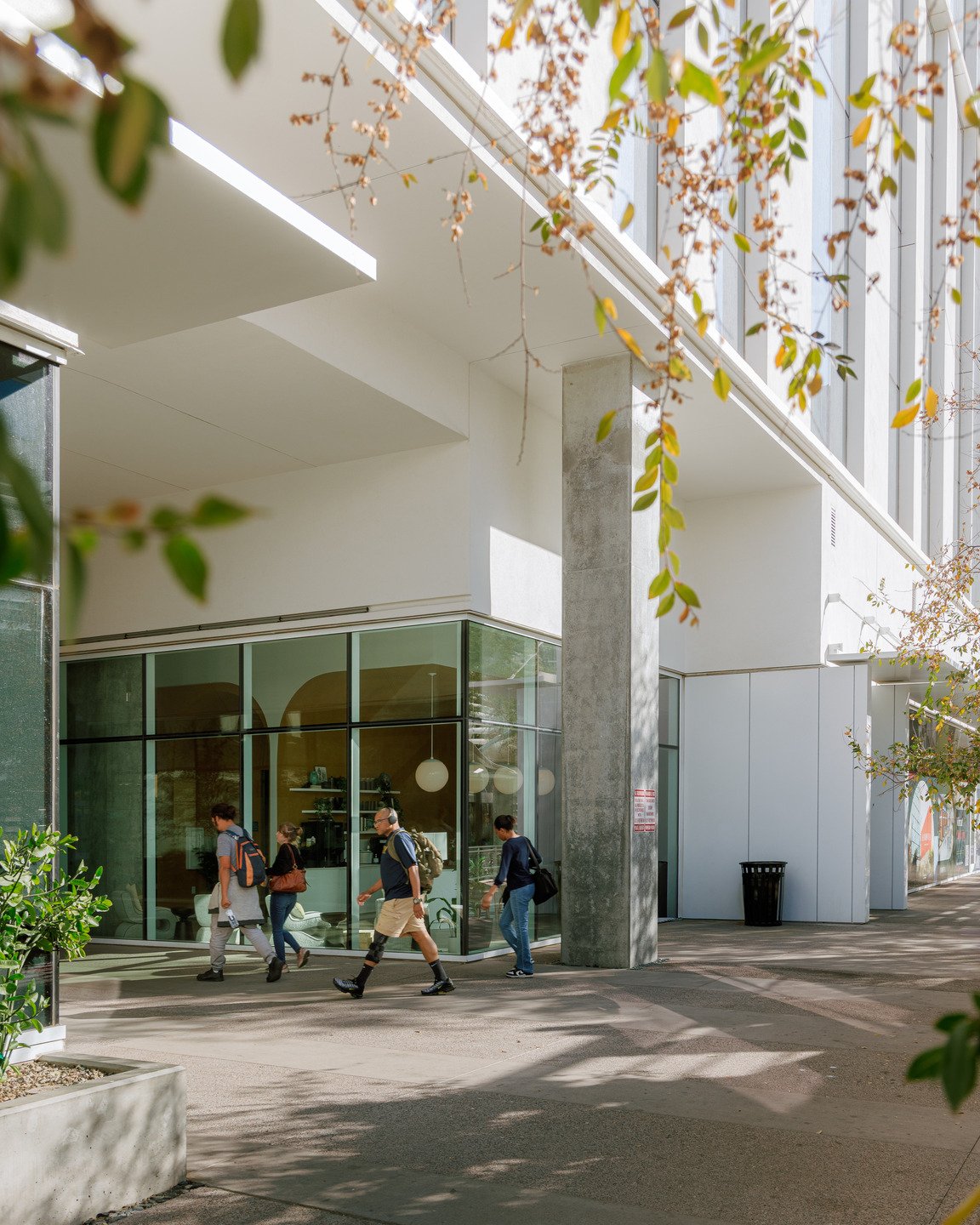
Central Station’s delivery structure is as ambitious as its design. The City of Phoenix retains ownership of the land and transit center operations, while private partners deliver the vertical development through a long-term ground lease. This hybrid framework creates both challenges and opportunities: balancing the pro forma and programmatic needs of a large-scale mixed-use project while ensuring the civic mission – a safe, accessible, and welcoming transit hub – remains paramount.
The non-negotiable return of all bus routes to their original positions drove the design’s organizational clarity. With bus bays at the site’s heart, residential lobbies, retail frontages, and circulation paths were deliberately wrapped around them to ensure visibility, activation, and safety. Rather than conceal transit, the project foregrounds it, making riders part of the site’s social life. The light-rail stops on both sides of the site: the west side heading south on 1st Avenue and the east side heading north on Central. Equally important, the project was designed as an open, flexible system rather than a fixed object.
A handful of foundational strategies – solar orientation, ground-plane circulation, environmental response, and architectural expression – were established early, ensuring the scheme could absorb inevitable shifts in unit mix, amenity demand, or market conditions without compromising its public mission.
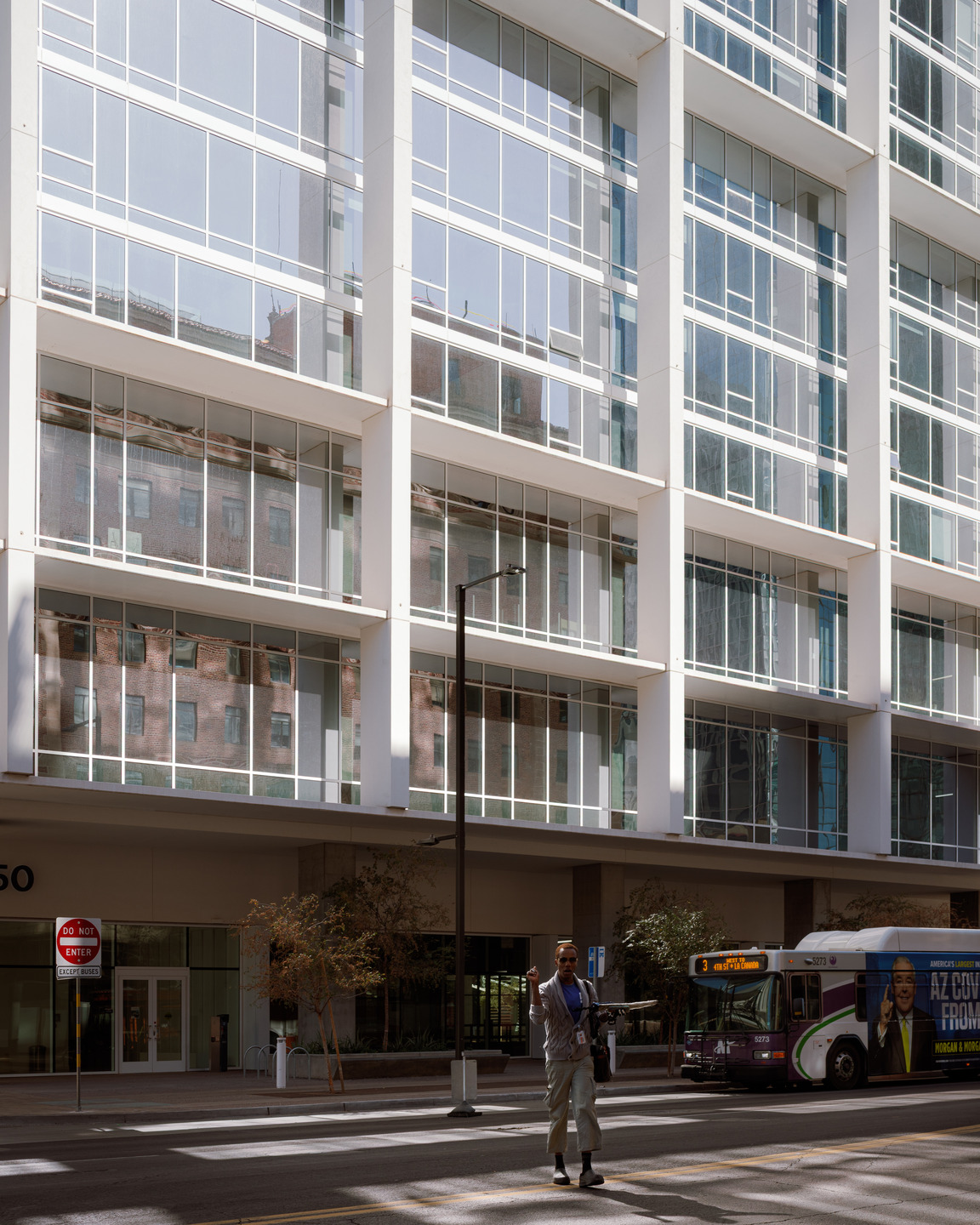
The two towers are intentionally complementary: one delivers skyline living for professionals and families; the other anchors students in the heart of downtown life. Together, they form a residential ecosystem in direct dialogue with the city’s academic, cultural, and civic anchors. Shared lounges, fitness amenities, and terraces serve as connective tissue, supporting both individual wellness and collective belonging.

Central Station brings 338 units, 629 student beds, and 7% workforce housing (east tower only) into downtown Phoenix, expanding housing access for a range of incomes and life stages. Office space and ground-floor retail complete the program mix, ensuring activity across the day.
The form of Central Station’s two towers is inseparable from their role in the city. Each vertical surface is tuned to orientation and use, creating a rhythmic texture that reads at both the skyline and pedestrian scale.
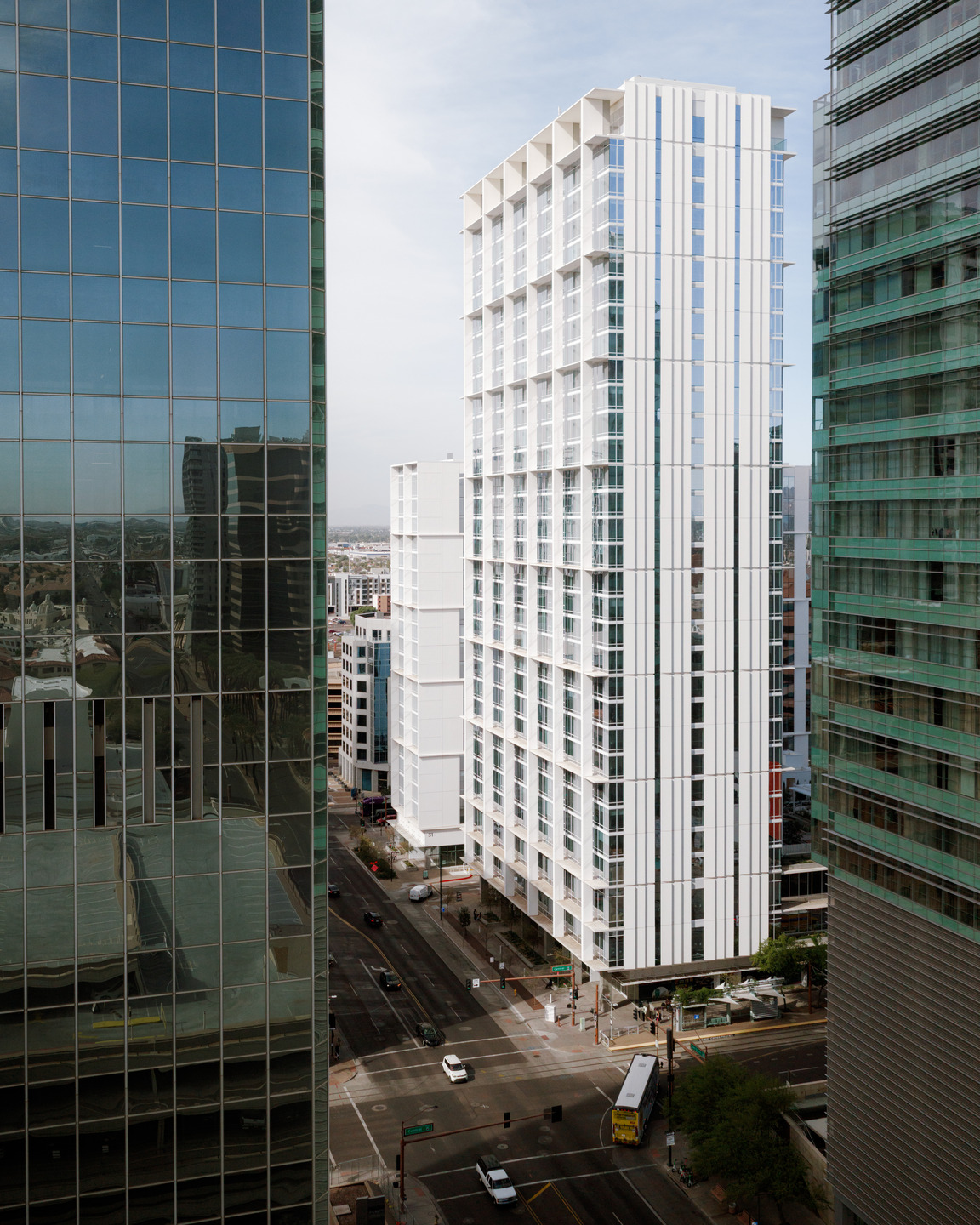
The towers’ crisp white skin sets them apart within the earth-toned palette of Phoenix. This contrast is intentional: in desert communities, white has long been a pragmatic color, reflecting heat and intensifying shade. At Central Station, the luminous surfaces do double duty — reducing heat absorption while creating a striking civic landmark that signals a new chapter for the city. Against the muted browns and reds of the Valley, the white façades read as both contemporary and timeless, carrying forward a regional tradition of using light colors to cool and protect in arid climates.
The 33-story market-rate tower and the 22-story student-housing tower rise as a pair, framing the civic plaza and anchoring the transit hub. Their bases are porous, designed as shaded thresholds where commuters, residents, and students intersect. Upper levels taper into a cadence of fins and panels that provide the façades with depth, identity, and protection from the desert sun.
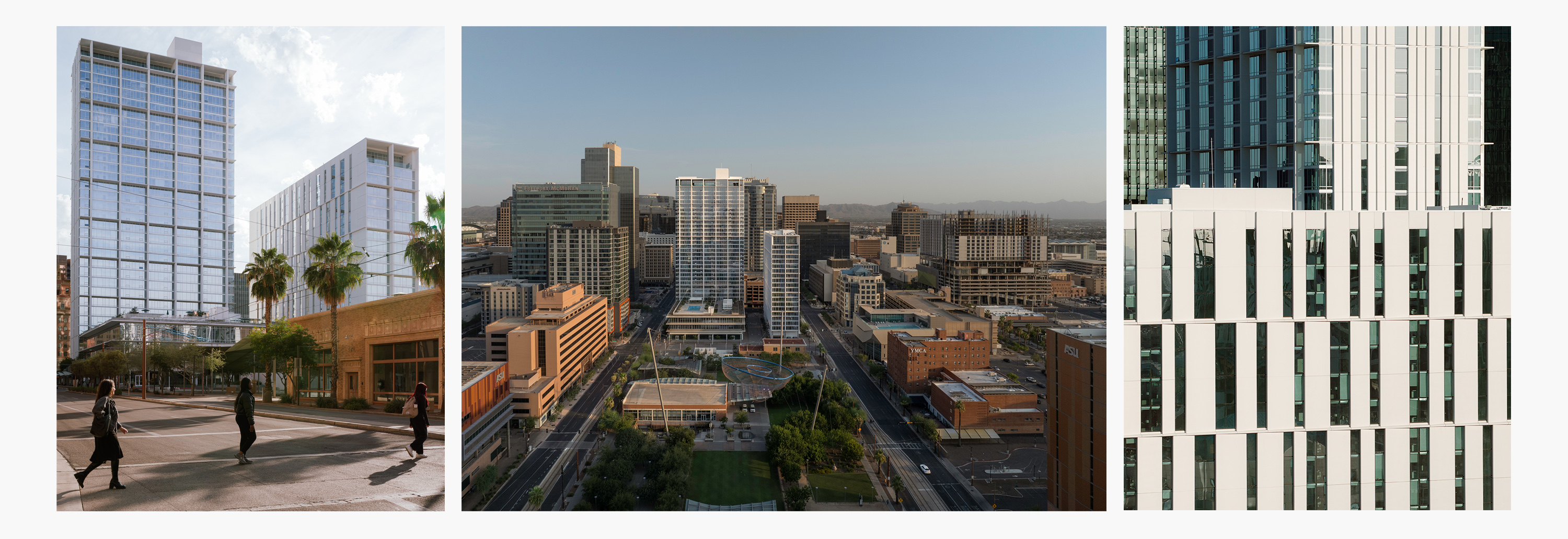
On the north and south, floor-slab extensions every fourth level create strong horizontal lines that support vertical fins. Together, they allow larger expanses of glazing where the sun is easier to control, opening units to panoramic views of Civic Space Park, the downtown skyline, and the surrounding mountains. On the east and west, where the sun is harsher, self-shading inflected panels tighten the rhythm of the façade, with narrower glazing that balances daylight and thermal comfort.
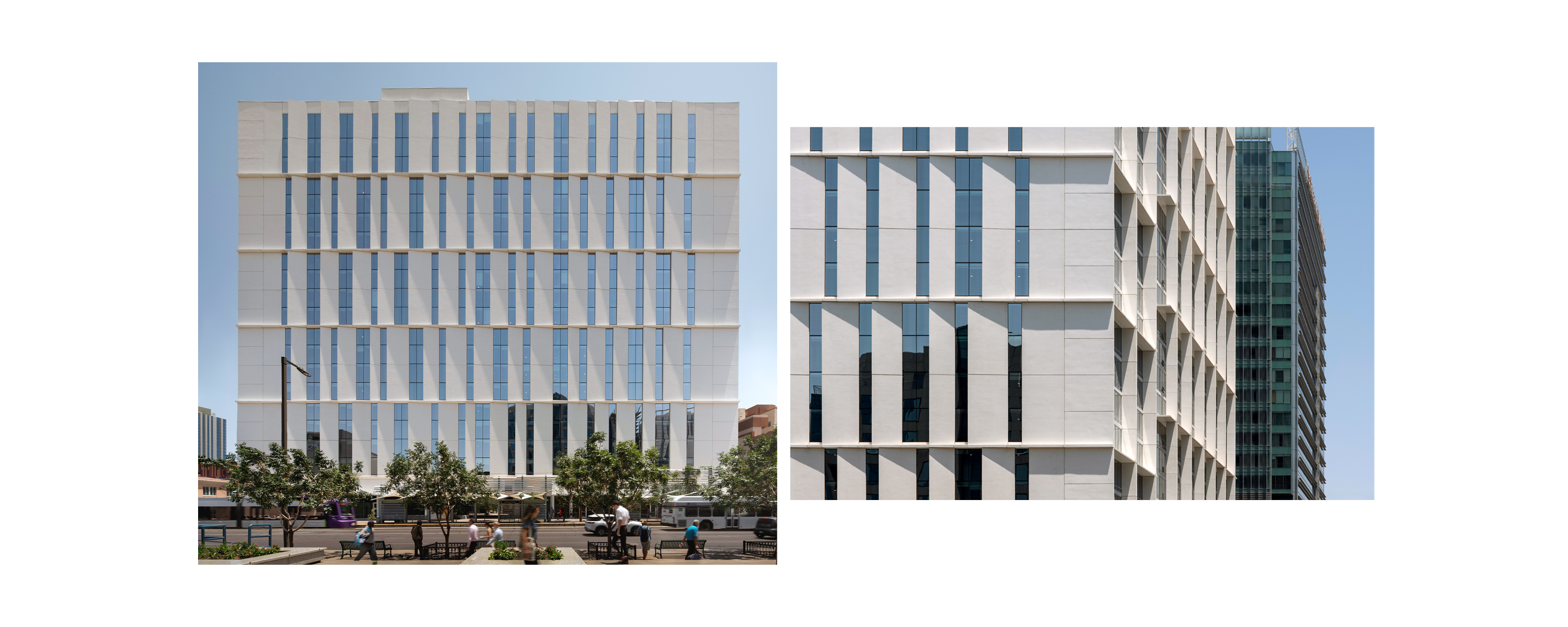
Prefabricated components repeat across both towers, reinforcing rhythm while streamlining construction. The result is an architectural expression that is at once efficient and iconic — a pair of towers that feel rooted in Phoenix’s desert urban life.
Phoenix requires shade before anything else. Central Station responds with a series of common-sense yet elegant strategies. Every fourth floor, slab extensions support vertical fins, creating deeply protected façades on the north and south elevations where glazing can be more expansive. On the east and west, larger self-shading inflected panels limit glazing and shield residents from harsh morning and late-afternoon sun. Deep overhangs, arcades, canopies, and breezeways extend this logic to the pedestrian level, where landscape, textured hardscape, and urban furniture foster comfort in the desert climate.
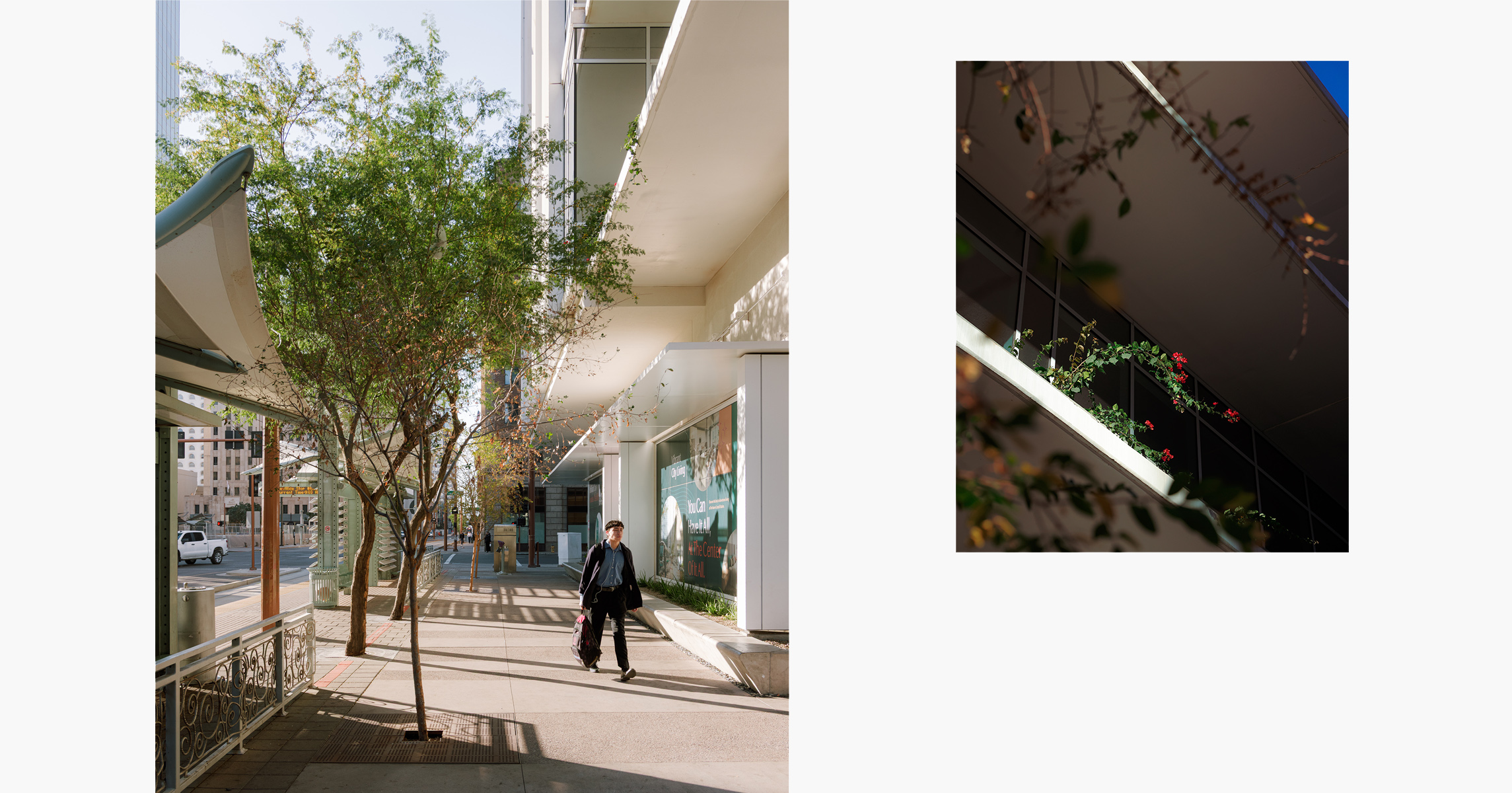
This dual façade system, paired with extensive prefabrication, distills the complexity of high-rise construction to two repeatable details each designed around solar orientation that balance economy with performance. The approach reduces cost, accelerates build time, and keeps the project on track for LEED Gold – proof that sustainable urbanism need not be bespoke to be impactful. The project will also be certified by Fitwel.
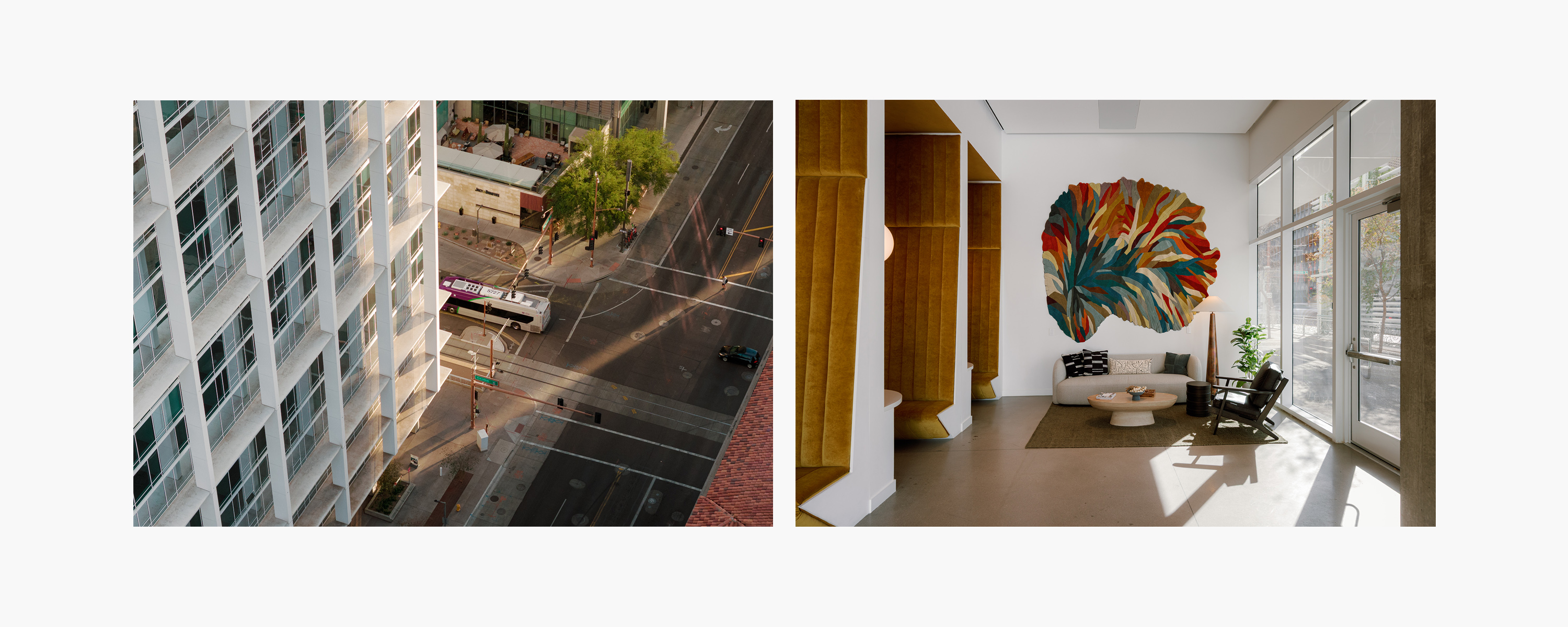
What if a transit stop behaved like a neighborhood? What if shade and comfort were as integral to design as structure and style? What if a student district and a downtown residential tower reinforced each other across a shared civic plaza?
Central Station suggests a replicable model for cities everywhere: embed shade and multimodal access into a ground plane that is as public as it is private, then layer in housing and work to create genuine 24/7 urban life. By coupling a flexible architectural system with durable civic commitments, the project demonstrates how public–private partnerships can achieve density without sacrificing community.
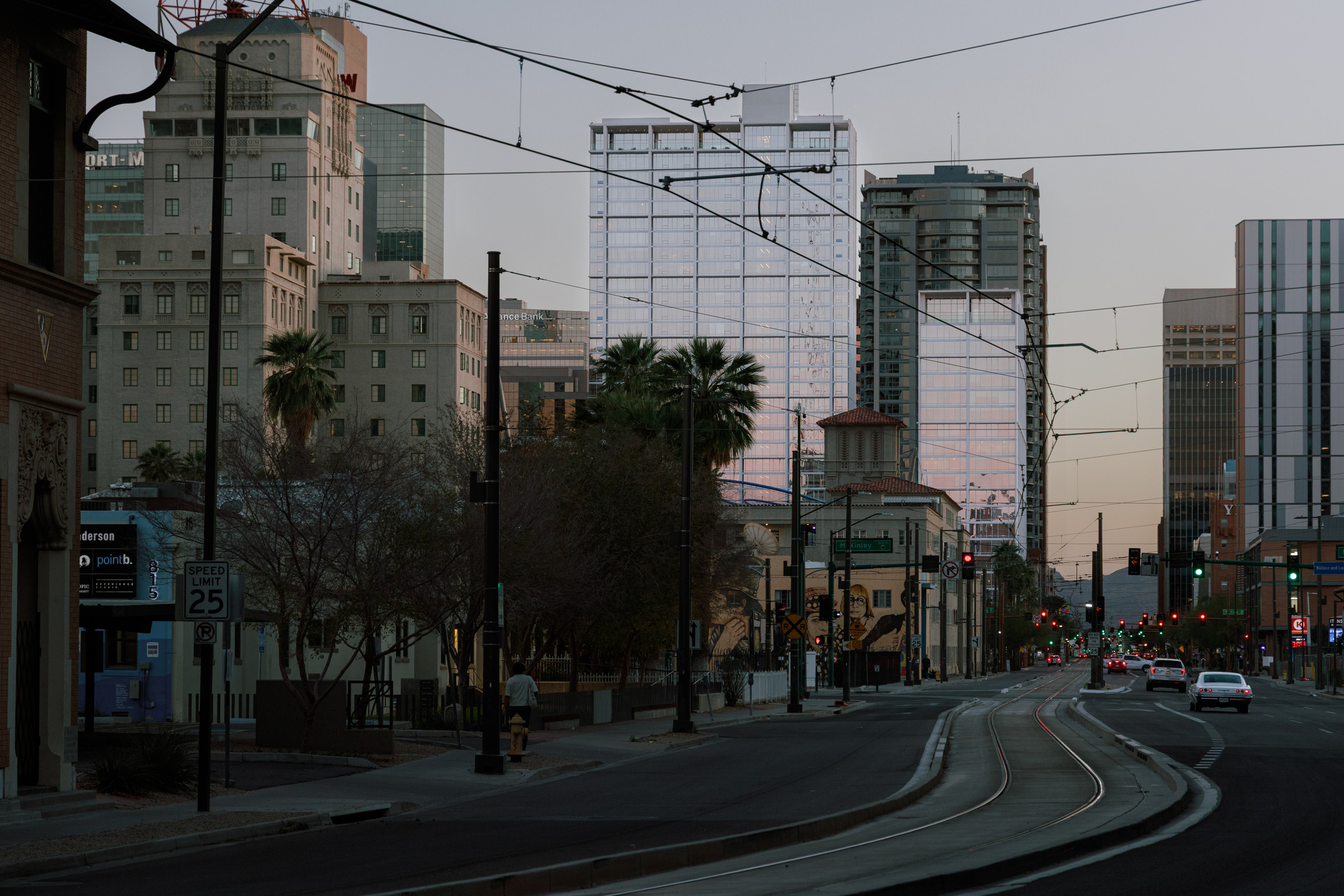

"Building Central Station is a testament to Phoenix’s commitment to transit-oriented development, and the final product will enhance connectivity, bring additional housing and businesses into our urban core, and ultimately transform the skyline of our growing city."


