Play
Pause
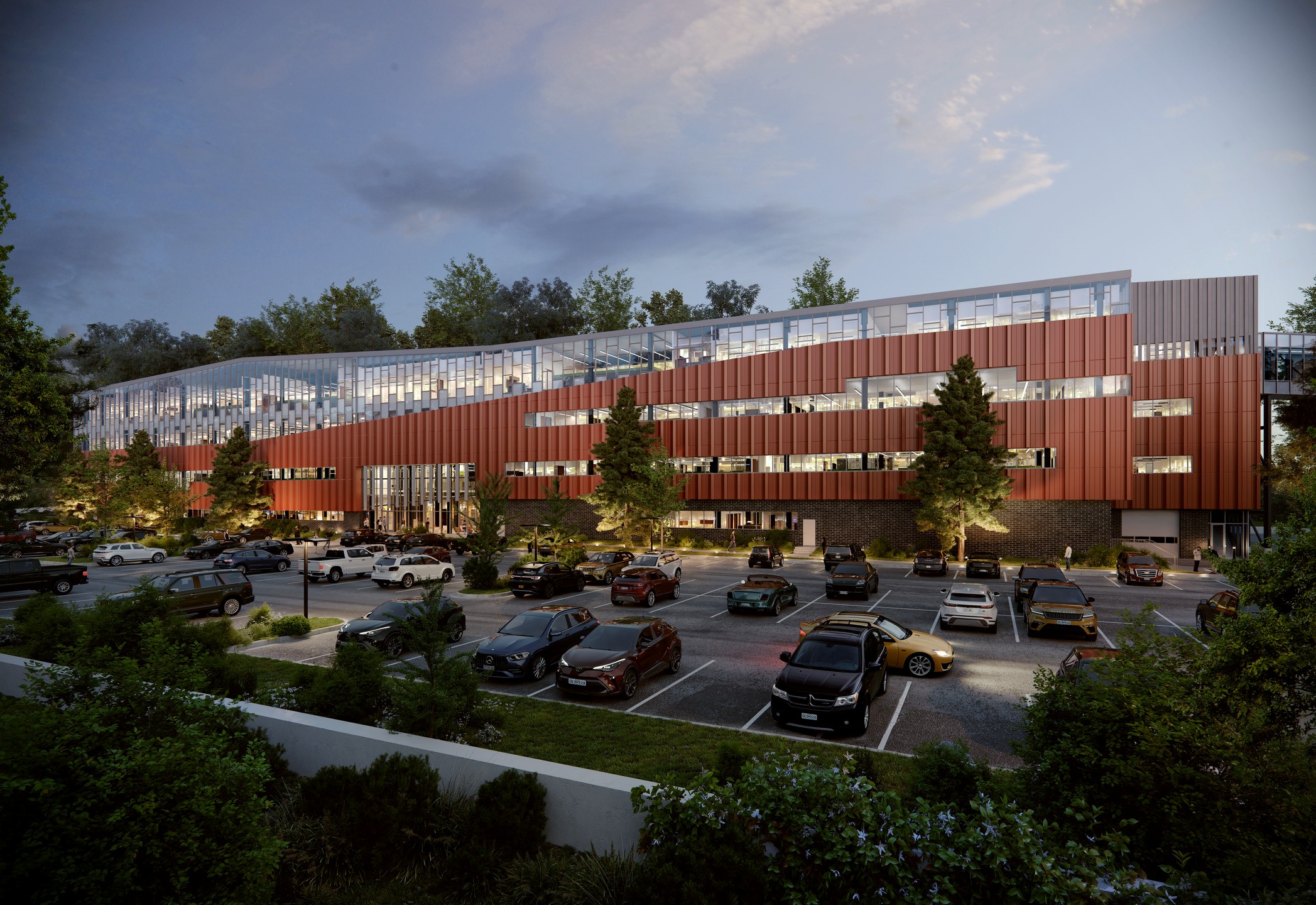

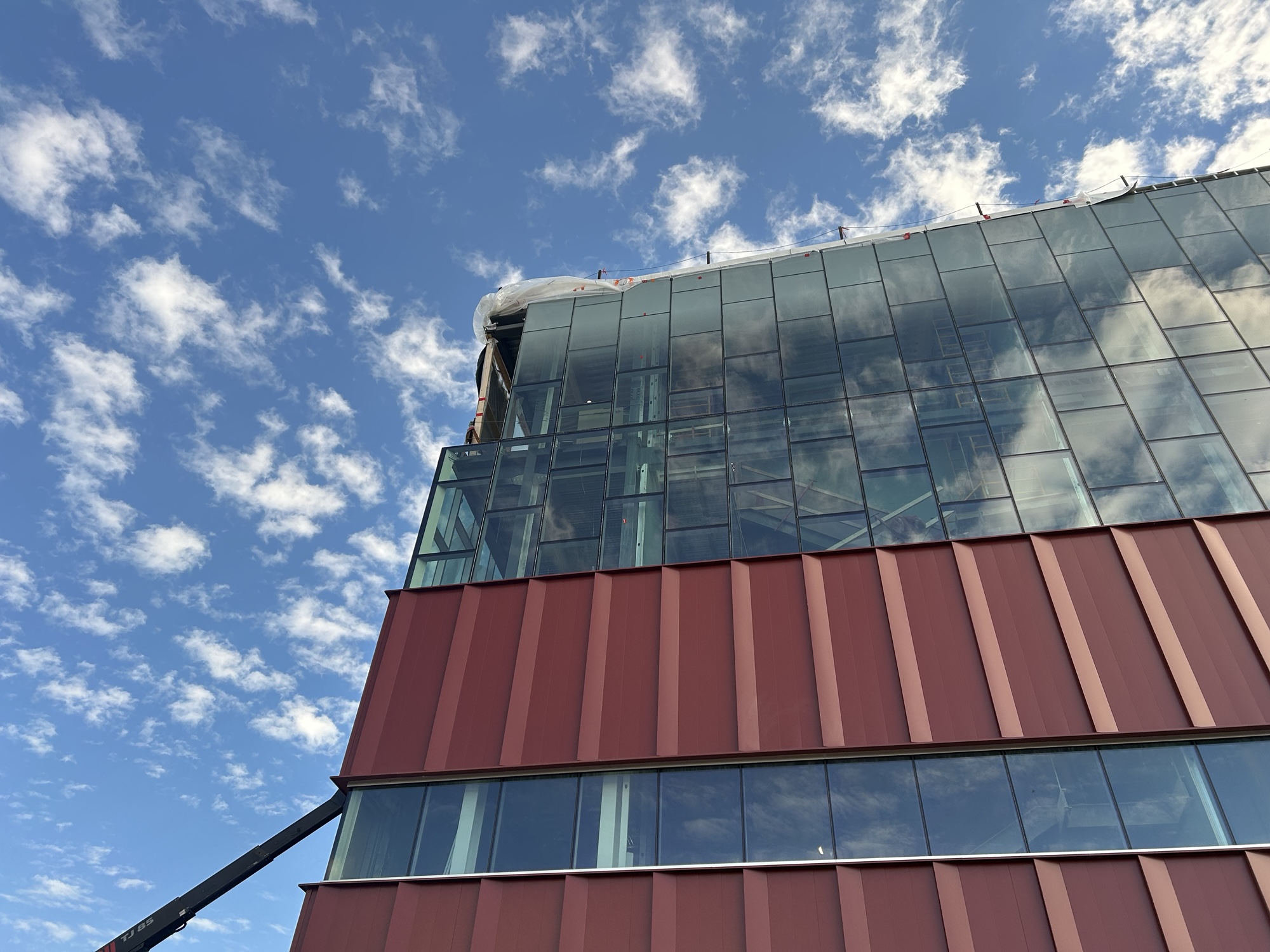
The new State of Missouri Multi-Agency Laboratory Campus in Jefferson City will house five state agencies, including the Department of Health and Senior Services, Department of Natural Resources, Department of Agriculture, Department of Conservation, and the Missouri State Highway Patrol Crime Lab Division.
To understand and fulfill the unique needs of such distinct state agencies, Multistudio engaged the client in an eight-week programming effort to determine existing lab functions, processes, equipment, and areas for improvement. This allowed the design team to identify the laboratory types, equipment to be supported, and staff needs across agencies, including planning for future growth and science needs.
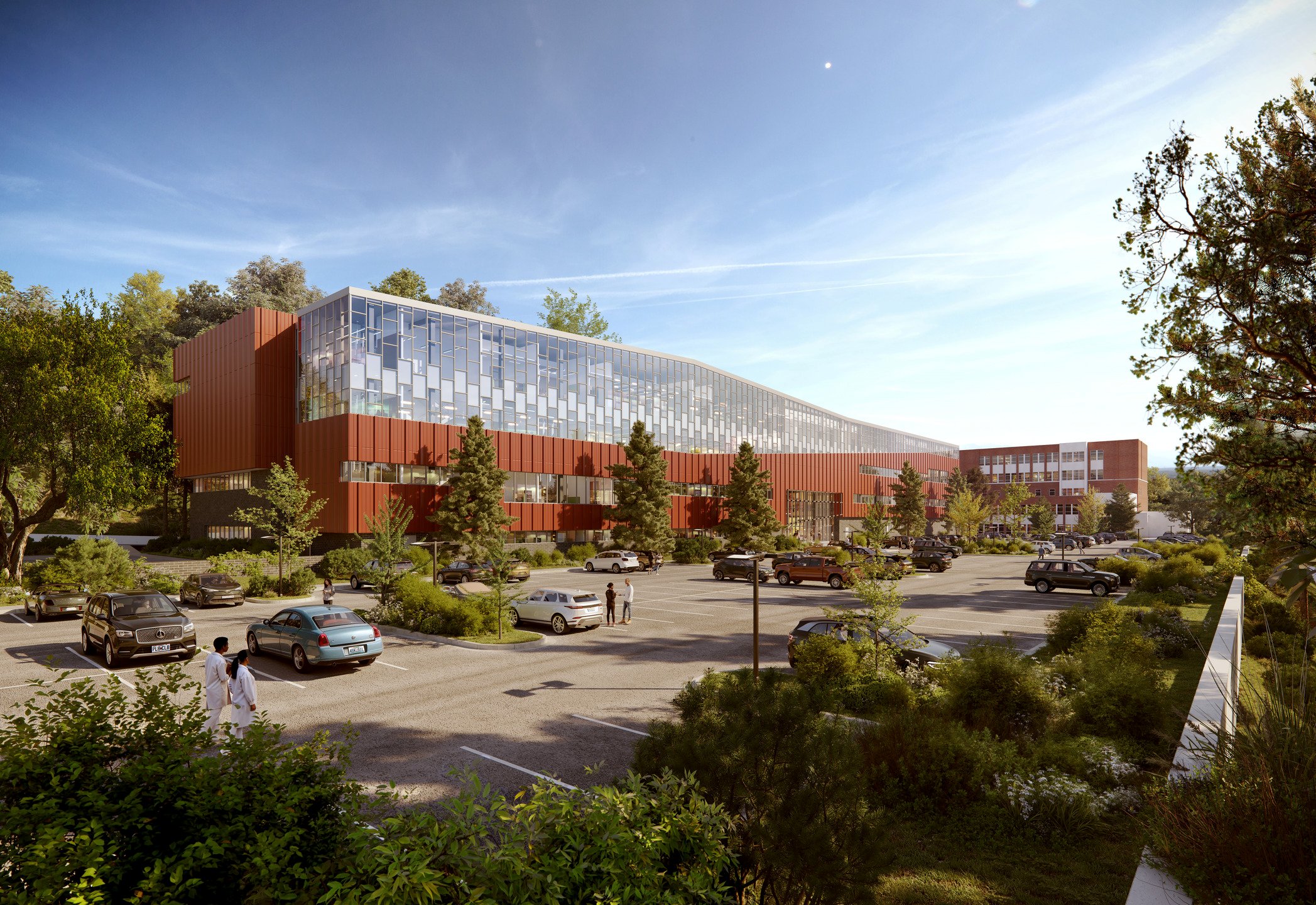
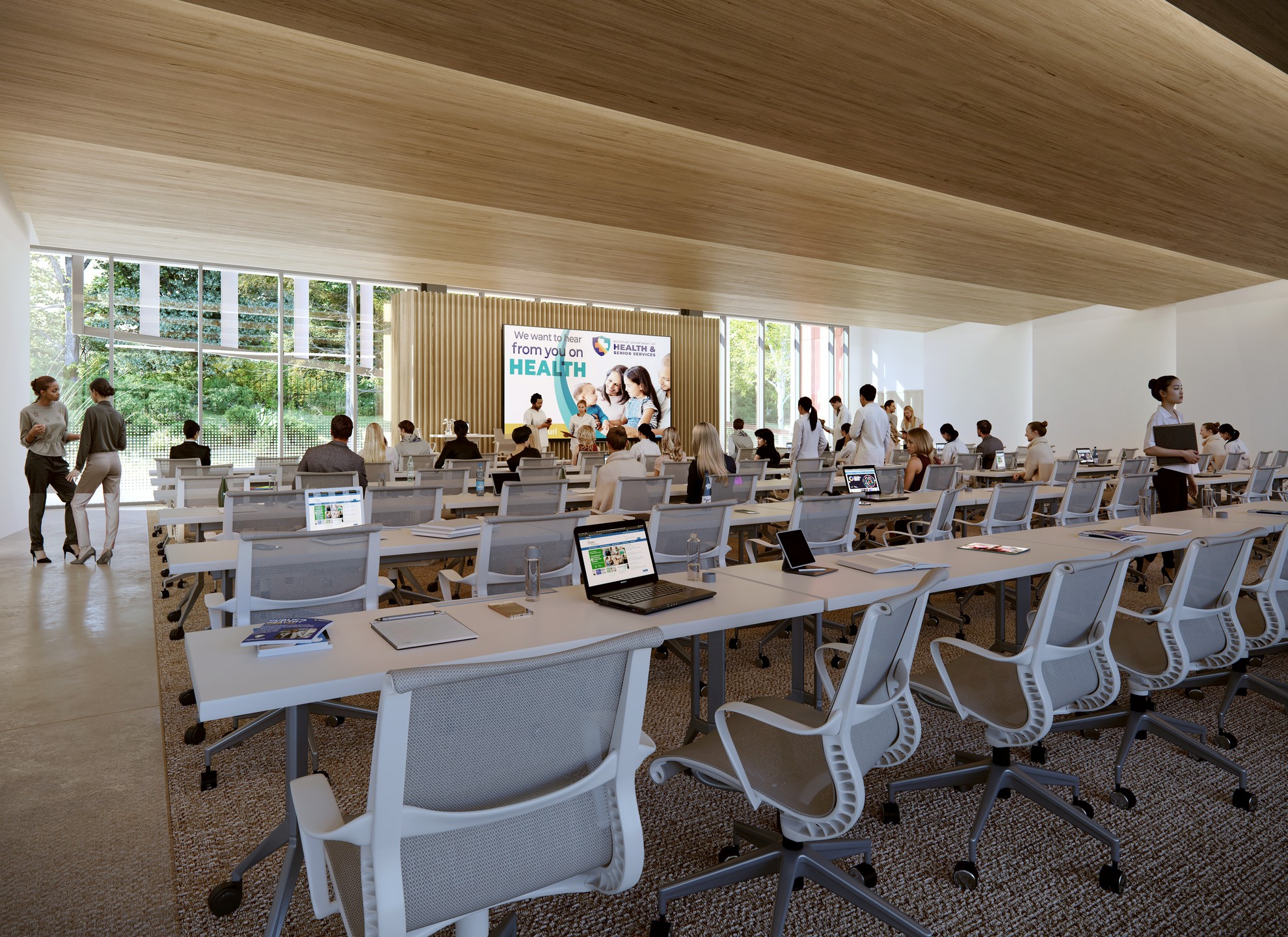
The new multi-story campus provides 220,000 SF of laboratory facilities that fulfill the unique needs of each state agency. The site features forensics labs, multiple testing labs, training labs, a necropsy lab, offices, wellness spaces, and shared work and common spaces. Video conferencing technology encourages interdisciplinary collaboration and knowledge sharing among internal and external agencies.
Some areas of the campus called for very specific features to accommodate certain state agencies. For example, the Missouri Department of Conservation requires a necropsy facility to perform post-mortem examinations on fish and animals, with the ability to accommodate wildlife up to the size of a male elk. This purpose-built lab design included a hoist and rail with 15-foot-tall doors on the exterior of the building and ample storage for special equipment.
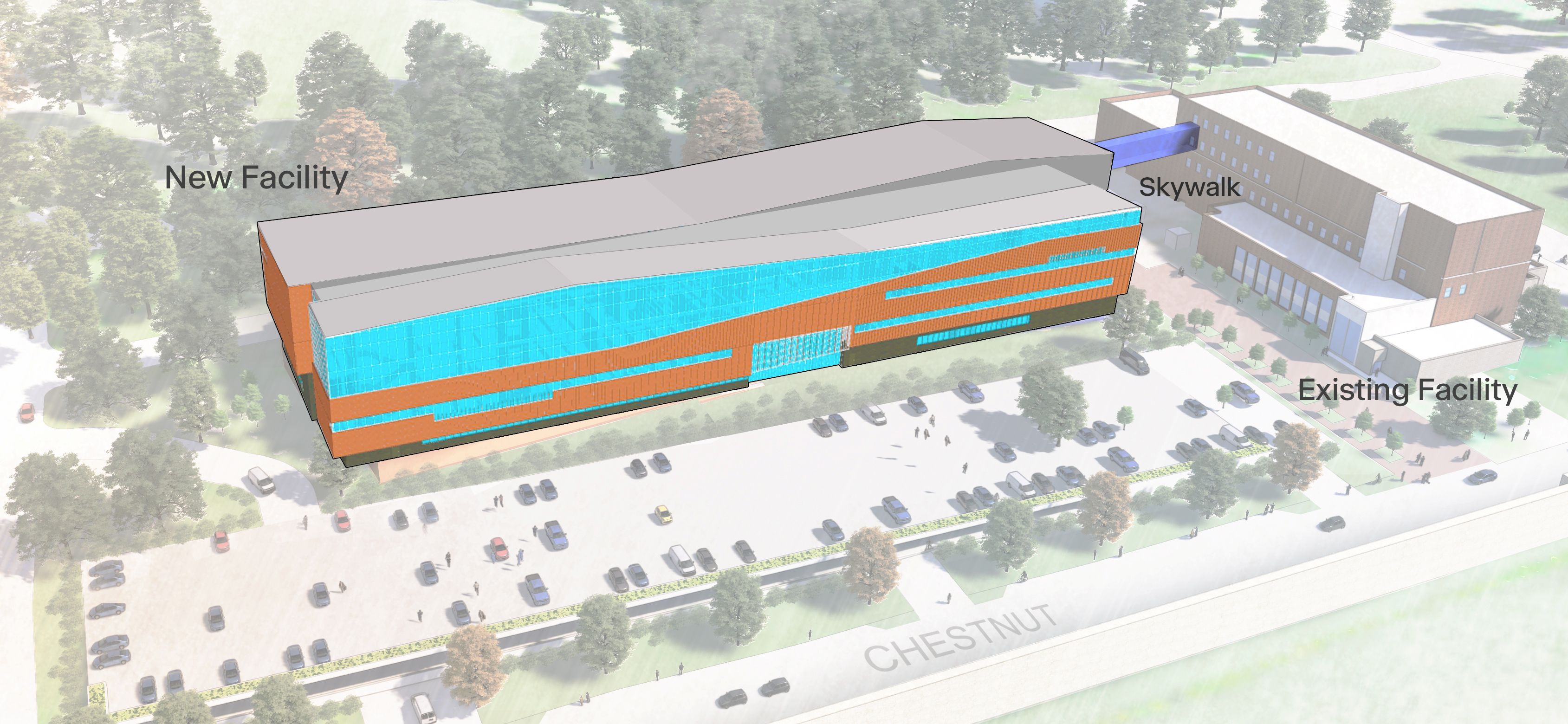
A fourth-floor skywalk connects the Department of Health and Senior Services labs and offices to the existing Missouri State Public Health Laboratory building, allowing for expanded newborn screening labs and streamlining access to move test samples between buildings when needed, including to the BSL-3 lab.
Building construction prioritized locally sourced materials and the campus incorporates energy efficient MEP systems, heat recovery, chilled water cooling, water saving plumbing fixtures, lighting and plug load controls, and continuous exterior envelope building insulation to reduce its carbon footprint.
The design is at 12.97% energy cost savings and 23.4% energy use savings compared to IECC 2021 baseline for laboratory buildings. It integrates environmental control systems to maintain optimal temperature, humidity, and air quality levels as needed in each laboratory to ensure the integrity of research samples and experiments.
A wide range of special security measures ensure the safety and integrity of sensitive data and materials, including coordinated exterior and interior access control, video surveillance, connection to local and State agencies, and chain of custody tracking for all lab samples. The facility also features comprehensive emergency response systems, including fire suppression systems, emergency exits, and protocols for hazardous material handling to protect the building occupants and the surrounding community.
Highly integrated infrastructure, including ballistics facilities, cold rooms, biological safety cabinets, chemical fume hoods, laminar flow hoods, clean rooms, and specialized lab tables support the various agencies’ disciplines and specific requirements. Within the laboratory spaces, equipment such as electron microscopes, DNA sequencers, mass spectrometers, and high-performance computing clusters help facilitate complex testing and data analysis.

Workstations were designed with adaptability in mind, featuring flexible and modular bench design and MEP systems that can accommodate diverse research needs and evolving technological changes.
The design goal for the campus was to create a technologically advanced laboratory building that fosters innovation, collaboration, and service through science for the people of the State of Missouri.

