New Orleans Studio Leader Martin Tovrea on Creating Lasting Community Projects in His Hometown
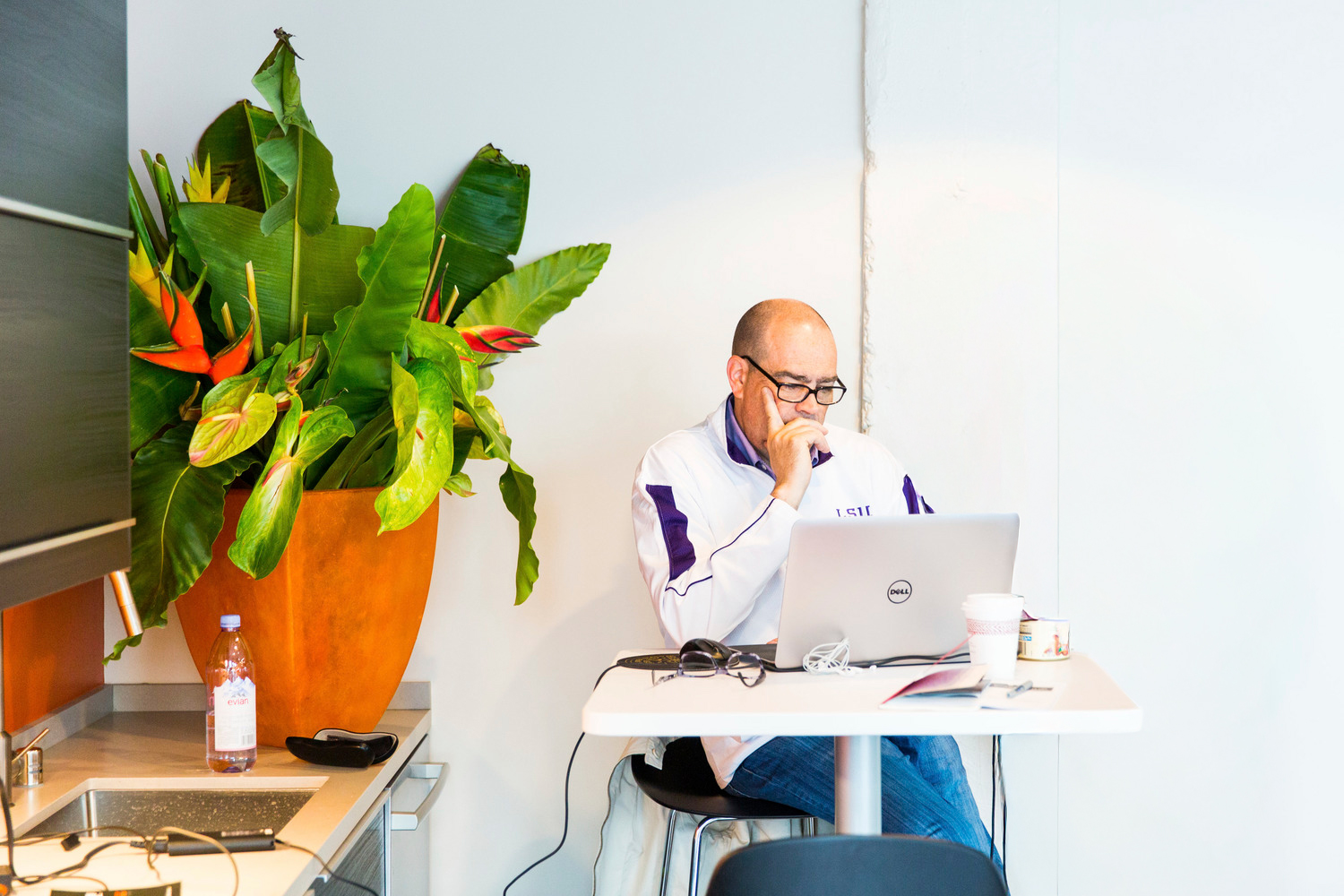
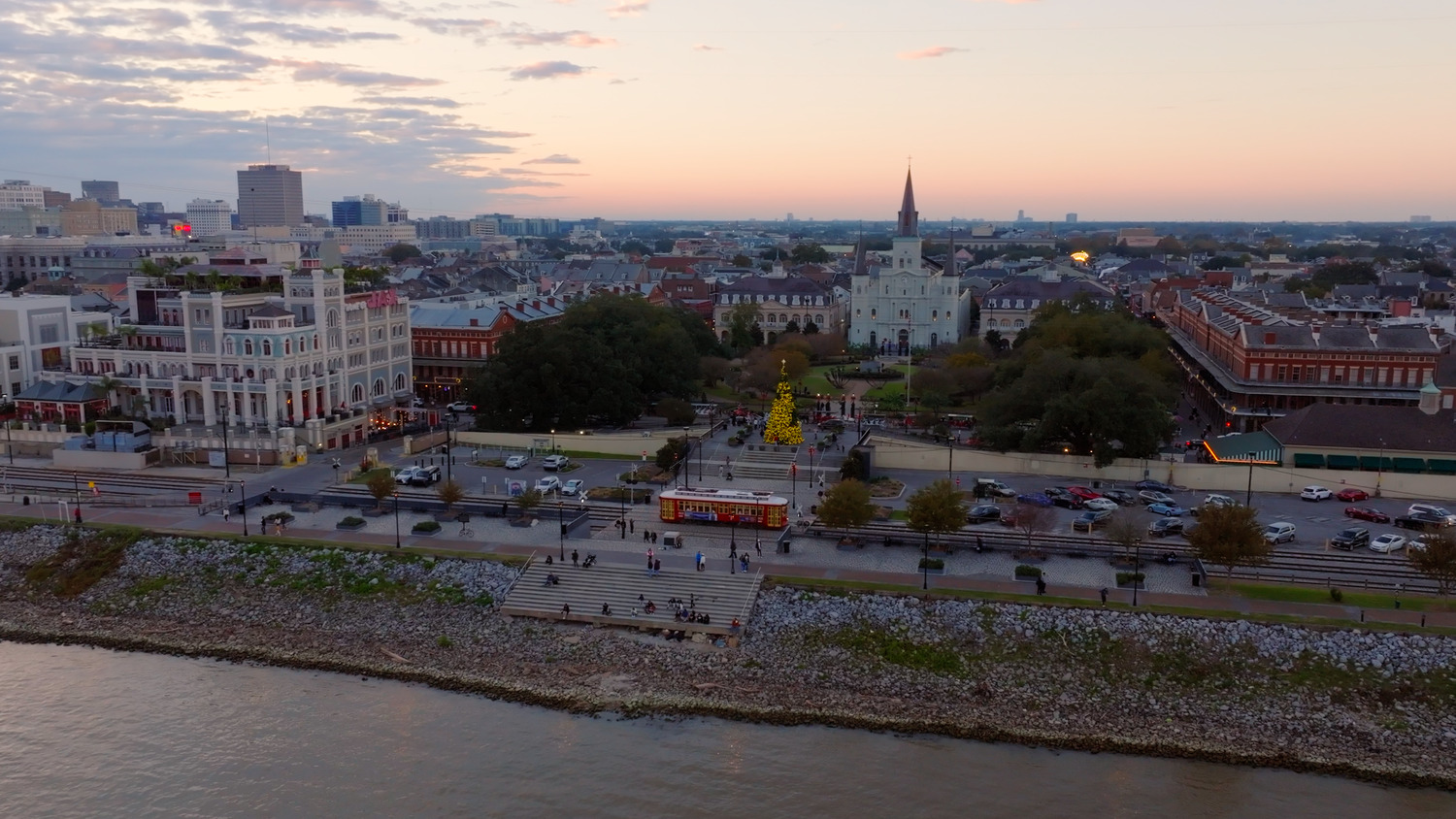
After a wide-ranging architecture career in regions as diverse as Anchorage and Phoenix, Martin Tovrea, AIA, NCARB, returned to his home city to lead our New Orleans studio.
As Managing Principal, Tovrea now oversees a broad portfolio of projects that impact local communities throughout New Orleans, Louisiana, and the Gulf Coast, including designs for affordable housing, health centers, and education spaces.
Like Tovrea, Multistudio (formerly Gould Evans) shares an enduring connection to New Orleans, having responded to local needs after Hurricane Katrina by designing four public library branches that serve neighborhoods across the city.
We sat down with Tovrea to understand his deeply personal approach to practicing architecture in his home city, and how the outcomes his team continues to deliver are driven by a community-invested, tight-knit studio culture.
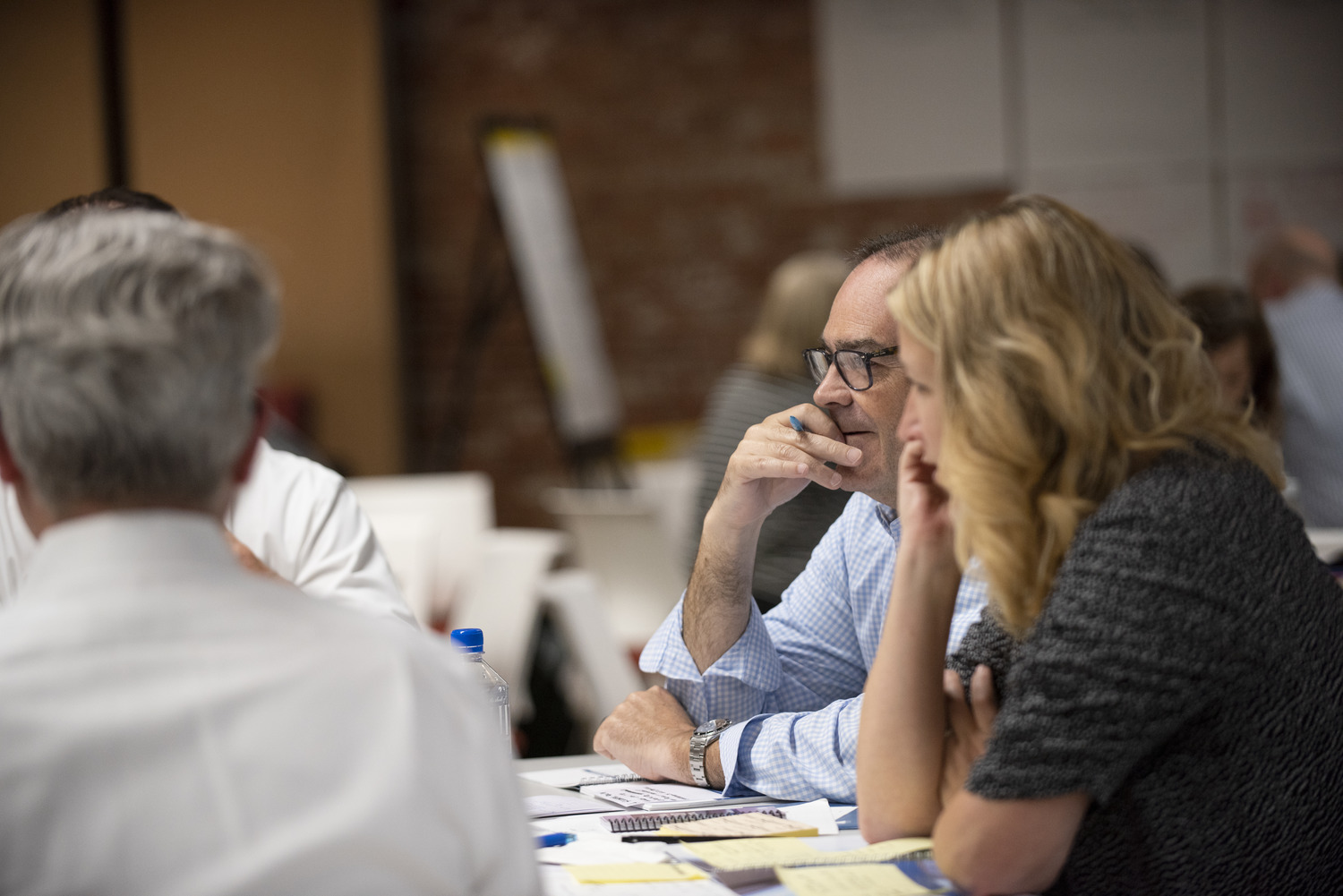
Martin Tovrea (MT): I’m a born-and-raised New Orleanian. I graduated from Louisiana State University in 1993 and took a job here at a local architecture firm for a couple of years, then decided in my late twenties, it was time to see what else was available in the world. I spent almost six years in Anchorage, Alaska and, after 9/11, ended up working in Phoenix. That’s where I met Melissa Farling (one of our principal architects in Phoenix), who recruited me to Gould Evans, now Multistudio, in the spring of 2005.
In 2011, the national AIA Conference was held here in New Orleans, and I came down for it. Multistudio’s New Orleans office was only about a year and a half old, but we’d been doing work in New Orleans since Hurricane Katrina. Coming back for the conference put me on a trajectory toward returning for good, and I’ve been here ever since.
MT: My parents live about an hour north across the lake and my siblings were right here in the heart of it. I came to visit in October, about two months after the storm. Seeing the piles of debris that had started to build in certain parts of the city, and hearing the national media say, “New Orleans won't come back; it might not survive” — that was disheartening. But when I came home for the AIA Conference, that was six years after the storm. The conference’s primary focus was around resilience and what New Orleans was trying to do to come back. Look where we are at now. The city is thriving.
MT: I was amazed that there was still a lot of rebuilding going on. The amount of money that FEMA gave to different parts of the city was astounding. But even today, there are some areas of town that are still underserved and struggling to recover.
MT: Speaking for our work, it doesn’t have much to do with Katrina anymore, however most of our work today is dedicated towards rebuilding with resilience as a front-of-mind motivator. Coincidentally, many of the codes and ordinances in the metro area and surrounding regions have been rewritten over the last two decades with mandates to design around many of the failures that resulted from Katrina’s devastation. It’s become second nature to design, build, and accommodate the question of “What if?” We’re learning how to manage water. This is one of the major improvements that we've been working on, and have been for at least a decade. We still have a long way to go, but we're getting there.
If you imagine Mardi Gras, all the debris that falls from the floats, like the beads, doubloons, and other plastics — a large percentage ends up in the storm drain system. A few years ago, the city cleaned out a section of storm drain that removed enough debris, most of it Mardi Gras-related, to fill a river barge. There's no place for water to go. So we've got to continue our efforts to get better at controlling and managing waste in the streets. There's also so many trees with massive roots that continue to disrupt pipes and utilities, that it’s an ongoing challenge to forecast when and where a problem will arise. There are leaks underground that no one even knows about until the street sinks.
Growing up in New Orleans, I’d hear my grandparents say we were the city that care forgot. Sidewalks are as irregular as walking in the mountains. There’s very little opportunity for ADA accessibility. There's a lot of character and a lot of grit, but there are many issues that need to be corrected.
MT: One project that we finished in 2018 is a community clinic — where the levee breached. It’s a federally-qualified health clinic that offers services ranging from general medicine to women's health to behavioral health to anonymity for AIDS testing, legal services, and more. This project came to fruition after this organization that was founded in the ‘80s as the NO/AIDS Task Force (now CrescentCare), which had disparate locations throughout the city and wanted to come together in one place. They deliberately chose a place in town that had a need for services that didn’t exist, or an area that was essentially, a health desert.
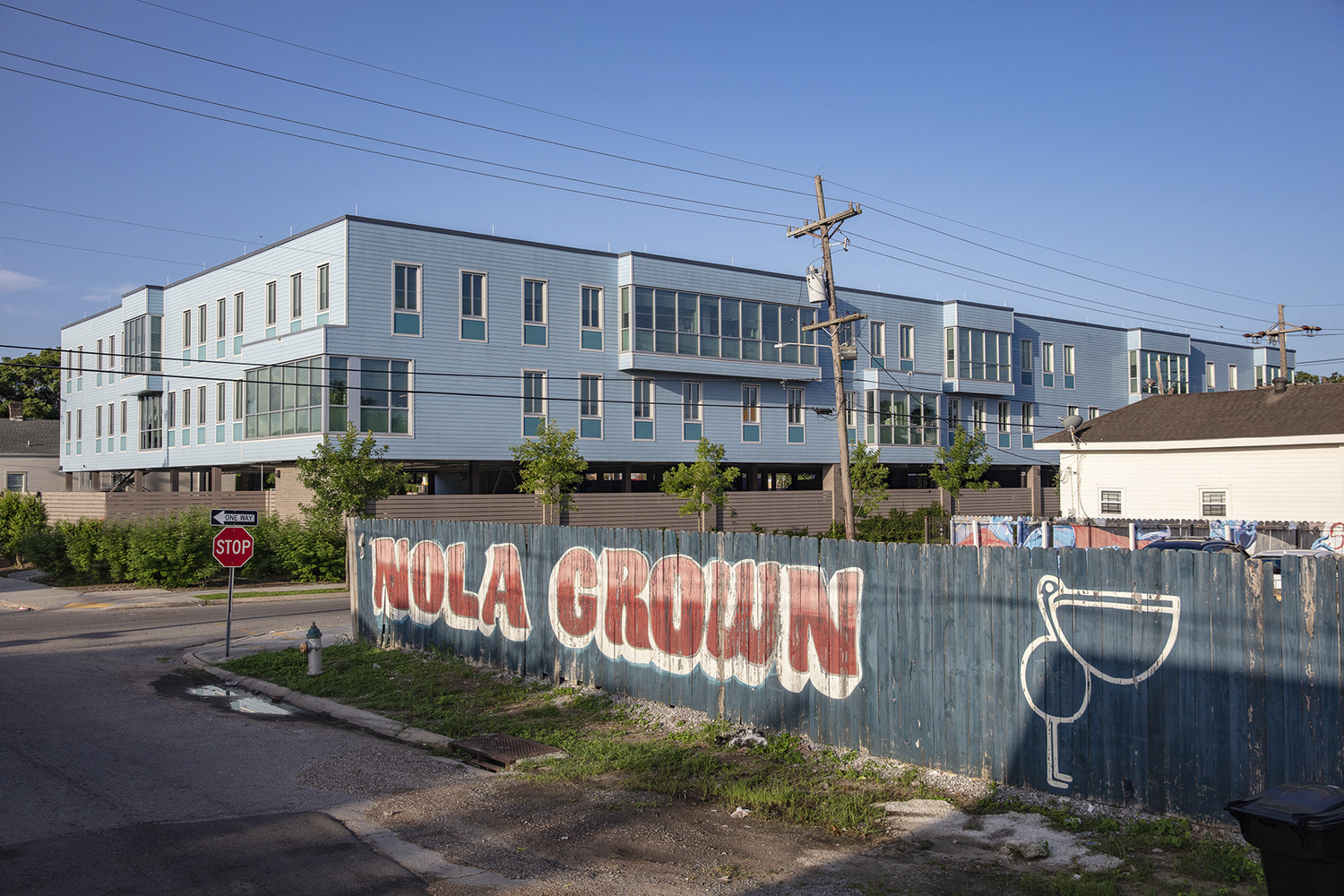


The chosen location had no health-related services within several miles. We had to engage the community to understand what their hyperlocal needs were versus those of the broader city. During the process, there was a woman from the neighborhood who just said, “I cannot believe that someone's willing to invest in our neighborhood.” In the end, the community has blossomed and its residents have a safe place to get healthcare that was long overdue. It doesn't matter if you have insurance or not, you can go. It doesn't matter your background or who you love, you are welcome.
I think we got this one right. These services for this particular part of the city have been recognized by the governors of Louisiana over the last several years and recognized by other local politicians and leaders in the city to the point where these kinds of services and facilities are appearing across the region, and they're being built under new codes — and in many cases, beyond the code minimums. For any new building we do, we strive to make a minimum of a 50-year building. Multistudio also has an initiative to begin every building we start, renovation or new, to be on the path to net-zero. In many cases, net-zero and/or sustainable practices may not be a requirement of the project’s program, but we intentionally establish the path so that it can be reached in the future if desired.
MT: We're actually working on a new project that is very similar to CrescentCare, about three hours west of here in Lake Charles, Louisiana, which is a replacement facility after Hurricane Laura ravaged that region in 2020; Lake Charles was devastated. There wasn’t much flooding, but there were 150-mile-per-hour sustained winds that just tore the place apart. This particular project is a brand-new building that's replacing one that was there for 30 years, and today, it's just a skeleton frame of its former self. Since the storm, the facility has been operating out of an adjacent building that is only about half the original size.

We’ve had meetings with the community where we’ve talked about what’s missing from the livelihoods of people in this part of town: healthcare, groceries, and gas stations, in particular. Our client's attorney was recently elected mayor of Lake Charles, and he's hoping that this project becomes a catalyst for this part of town that will help revive its economic growth. And we're right there to support it.
MT: Here in New Orleans, we've done some affordable housing projects. Those aren't necessarily recovery or storm-based, but they are necessary in terms of cost of living in New Orleans and the surrounding region.
We recently finished a housing development project in Hattiesburg, Mississippi, which is about an hour-and-a-half drive north from here. Within six months of its completion, the entire complex was full with zero vacancy and, again, we received gratifying feedback from residents: “I never thought we would have a place like this, with a playground for the kids, space for the elderly to stroll in and around nature.” We're embarking on another affordable housing development project in North Baton Rouge for seniors. We’re about halfway through design. We’re all about community-based outcomes. Beneficial outcomes for our community are critical, and these cities are recognizing that. The city of Baton Rouge is elated that we're doing this project.
MT: It is very rewarding to know we're helping rebuild. We're helping communities thrive and keep them growing. Our focus is on what communities want. We may have a notion about what we think a community needs, but we have to ask, “What do you need? Talk to us about what's important.” We want to solve problems by viewing our projects as an investment into the community.
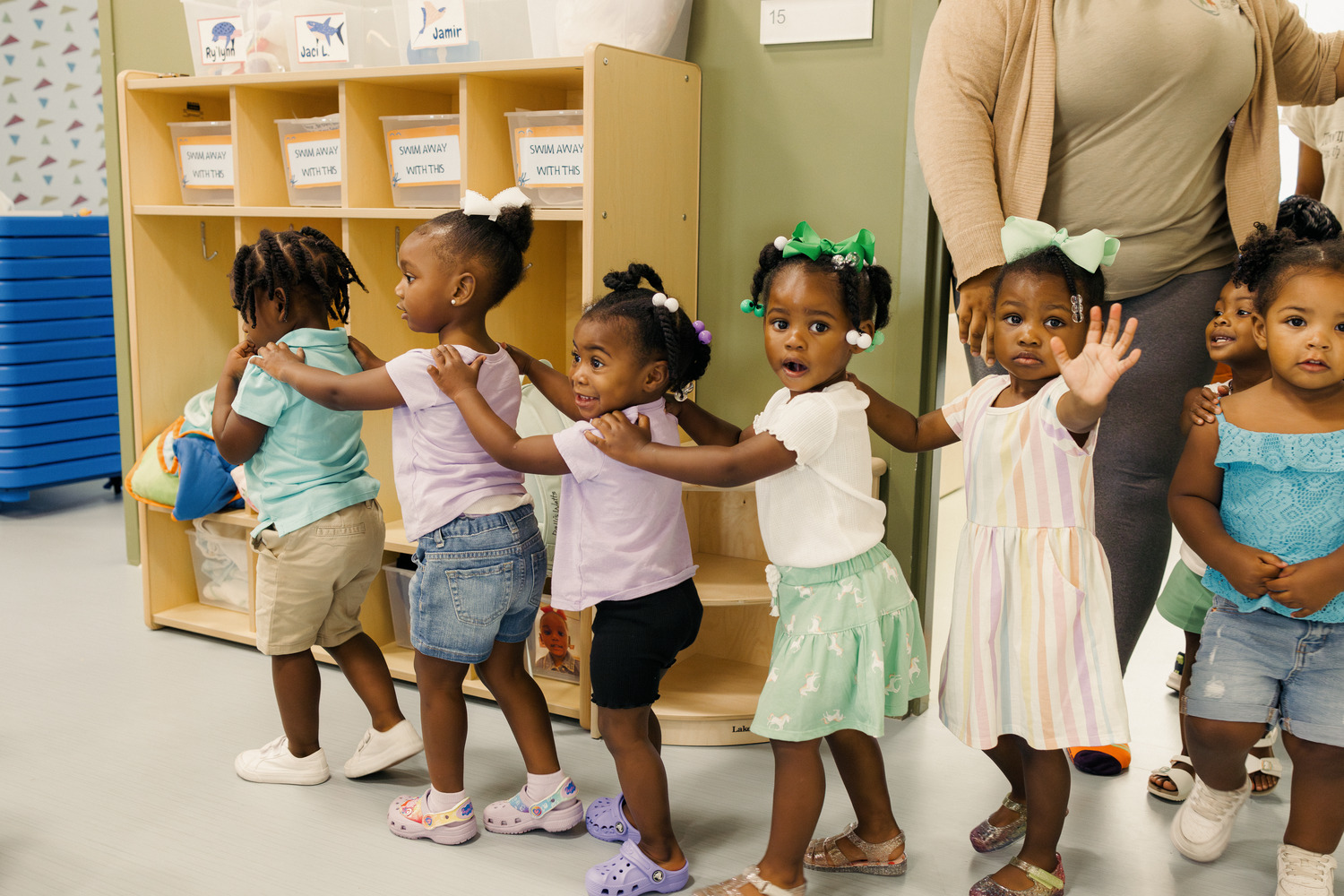
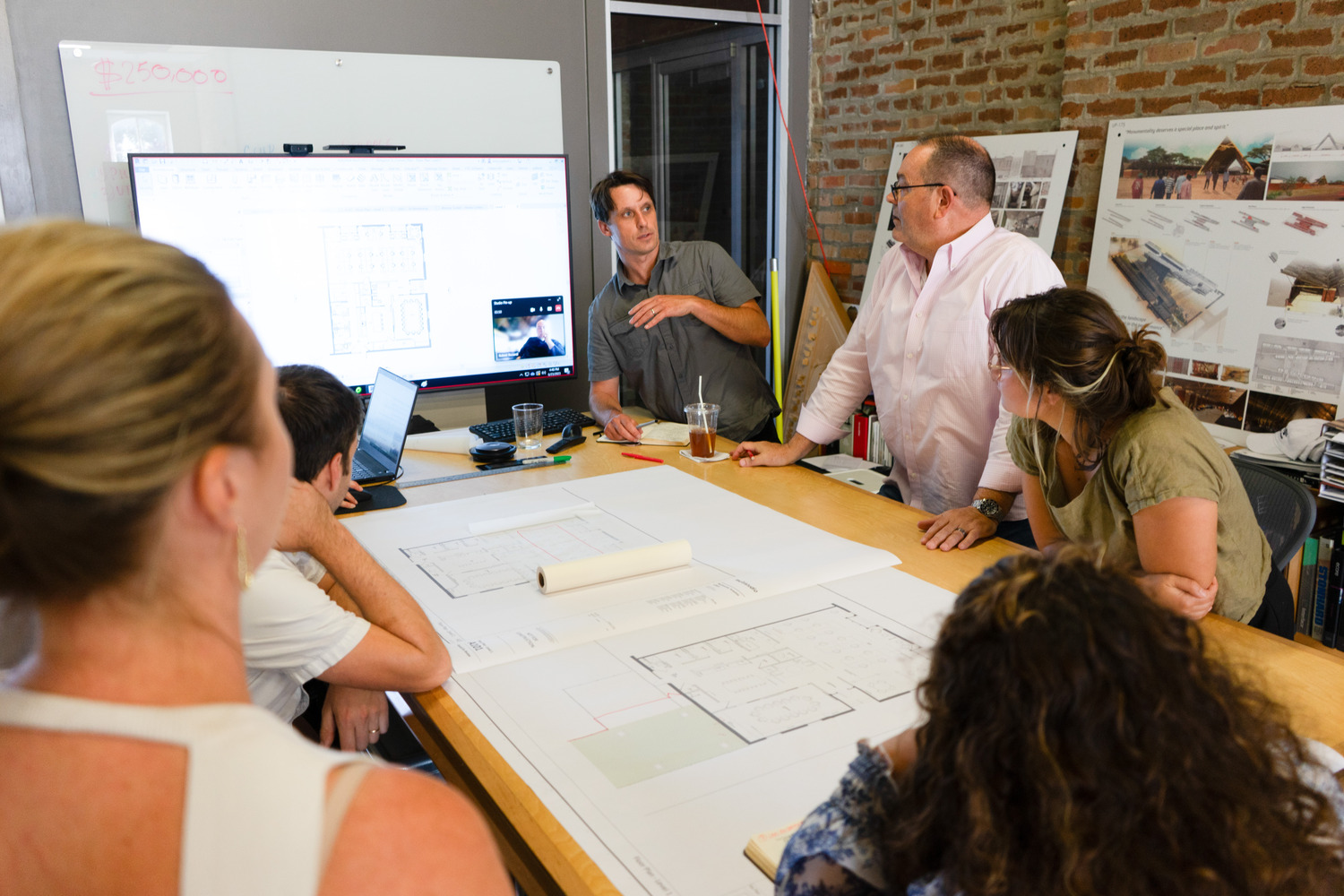
MT: Honestly, it wasn't about architecture. The office was sort of quiet — not a lot of dialogue — which was very different from our Phoenix studio. There, the dialogue never stopped. We were constantly engaged with the design process. So, we had to figure out a way to engage in more communal dialogue. It wasn't about the outcome of architecture. It was about the outcome of building a community in the office.
How can we take a group of individuals and inspire them to become a collective in such a way that we have a culture that is lasting? Dave Evans, one of the founders of Gould Evans, said to me when I was in Phoenix years ago: “I always look for people who are smarter than me because they're going to take me where I want to go.” I have folks here that are ten-times smarter than me, and it's because of them that I'm doing well and the studio is doing well. That's a bonus you can't even put words to.
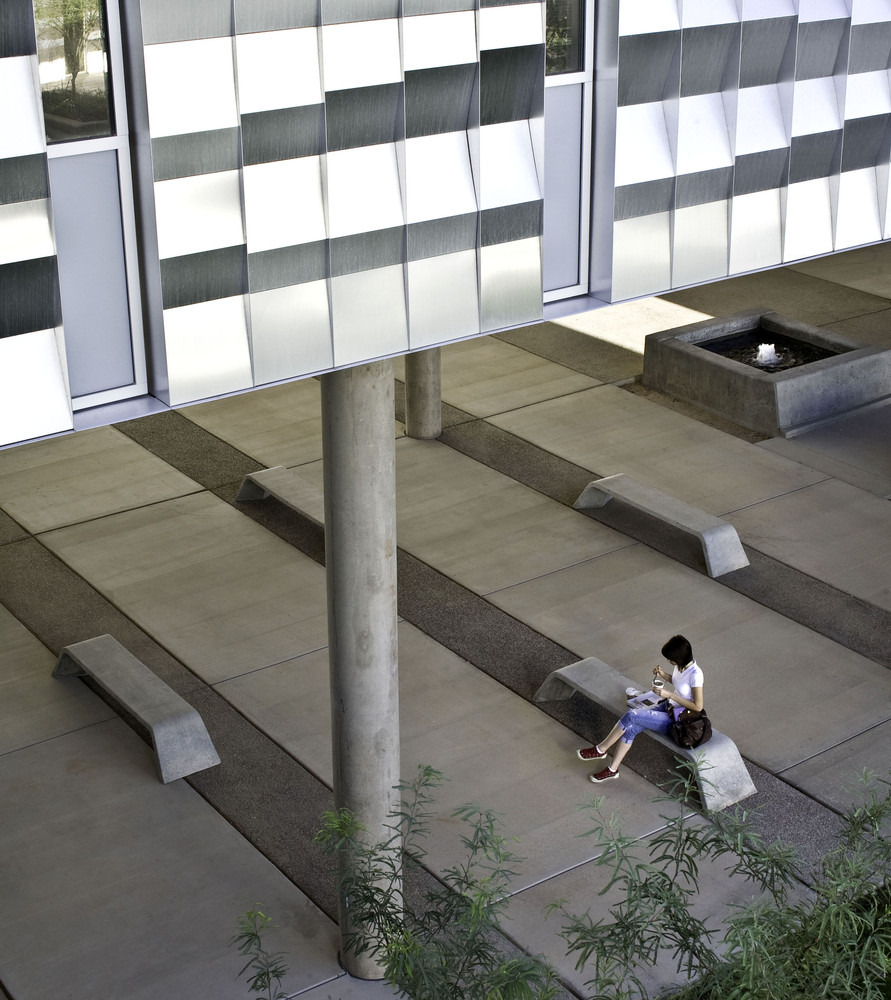
MT: The first real community-based project that I worked on was a community college in Yuma, Arizona. Yuma is a very small town on the border of Arizona and Mexico. There was a community college that wanted to grow itself. They had a little science department. They wanted to build a new student union and new science and agriculture facility to offer more opportunities to the local residents. And we ended up with buildings that inspired other universities because of the sustainability choices we made. Our work also brought their enrollment up and changed some of the direction of how the school was teaching. There were new learning paradigms happening in the classrooms. But that was the first project that I think really supported the notion that our work could be a catalyst for the Yuma community. At the time, many students were commuters. Many would go to class and leave. We provided an opportunity to go to class, but also stay on campus as a part of the academic community.
I see echoes of this experience in many of our New Orleans projects. McNeese State University, which is a small university in Lake Charles, got pummeled during Hurricane Laura. They had to shut down for six months. On the heels of all of our work over there, we completed a new press box and amenity suites for the football stadium. The previous press box looked literally like a series of stacked cargo containers. This new press box has become a beacon for the city. It’s already gained interest for non-athletic use. There's a community room in the building which can be used for a variety of non-game day activities, such as community meetings, maybe even a sports-inspired wedding. That project has, in my opinion, offered opportunities to Lake Charles that they never would have had in the old facility. The first game is scheduled for late August this year. We want our work to provide meaning for the city and long-term outcomes.
MT: Our city is so small that our relationships are very in-tune and focused. I could bump into Curtis [Curtis Laub, a Vice President at Multistudio] playing at a bar — he's a musician and plays in a couple bands. I could see Curtis at a club here in New Orleans on this corner on Wednesday night, on that corner on Saturday night. That helps sort of build the rapport that ultimately evolves to the work. It’s much like people’s relationships in New Orleans in general. People are very close in New Orleans. People want to know if you grew up here. Where do you go fishing? Where do you go duck hunting?
MT: I think all of them. The stadium, the housing developments, the clinics. I mean, they all benefit. Every one of them is driven by community engagement, and we go beyond just the brick and mortar of the building design. It’s about the outcomes, and the service we're providing to that area.
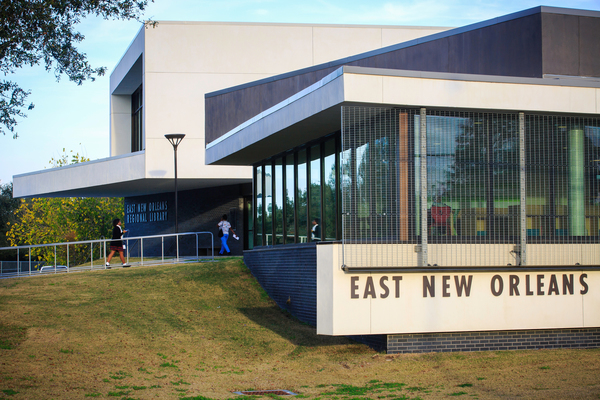
After Hurricane Katrina, there were firms from all over the country that were trying to come down here and reap some fee on rebuilding efforts. Some were successful, but ultimately the work finished and they left. To my knowledge, we're the only ones that stayed. Four of five libraries we designed were built in New Orleans post-Katrina, when we were still Gould Evans. They're local community libraries that are still vibrant today. We're still here, and we're not going anywhere. We continue to seek opportunities to support the resilience of the city.
Discover Multistudio’s work in New Orleans, Louisiana, and the Gulf Coast, and learn about new projects and initiatives by following Multistudio and Martin Tovrea on LinkedIn.

