Play
Pause


To kick off the planning process, Multistudio coordinated community engagement sessions with Brighton residents, opening a dialogue around priorities for the growing city.
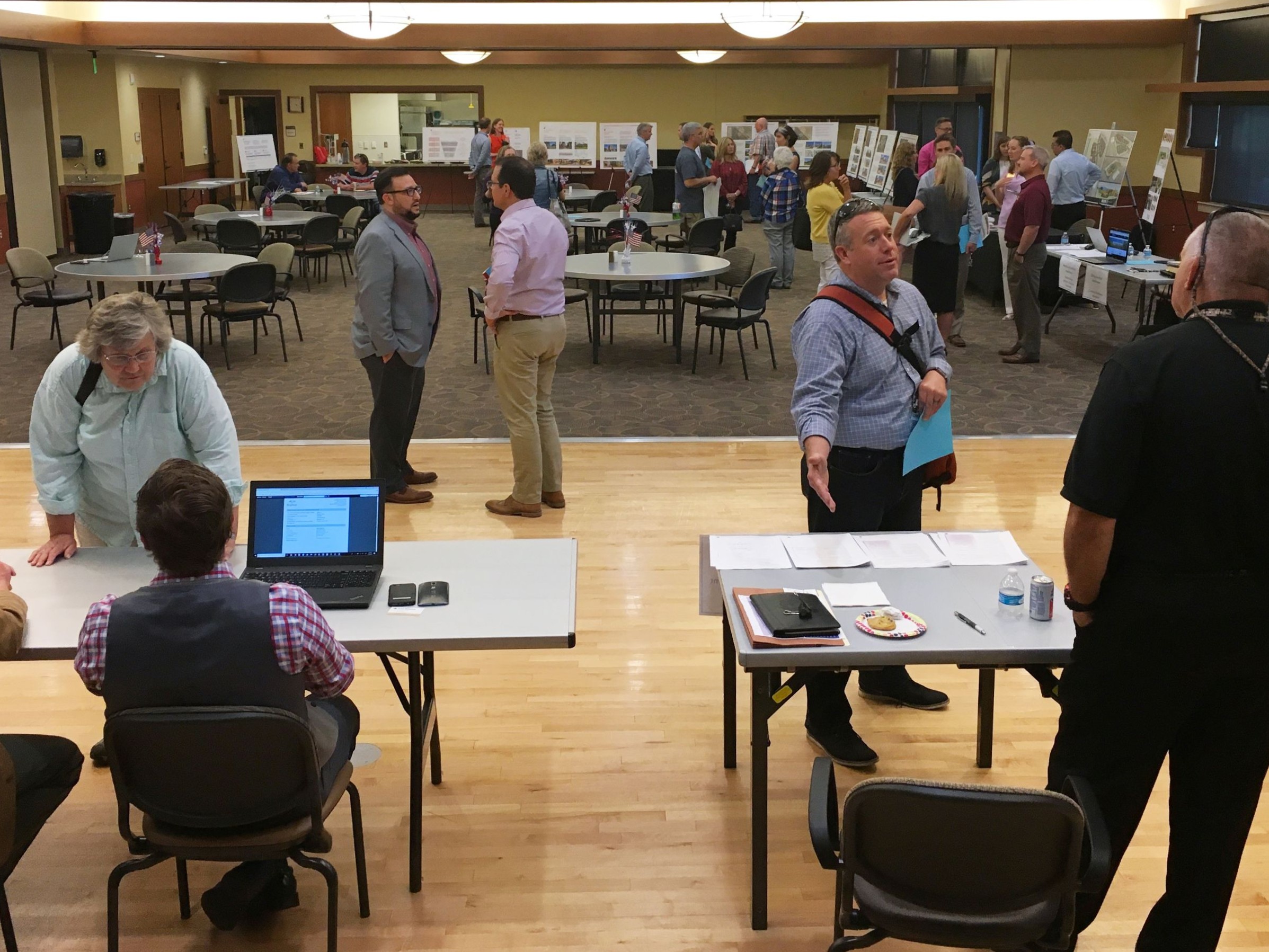
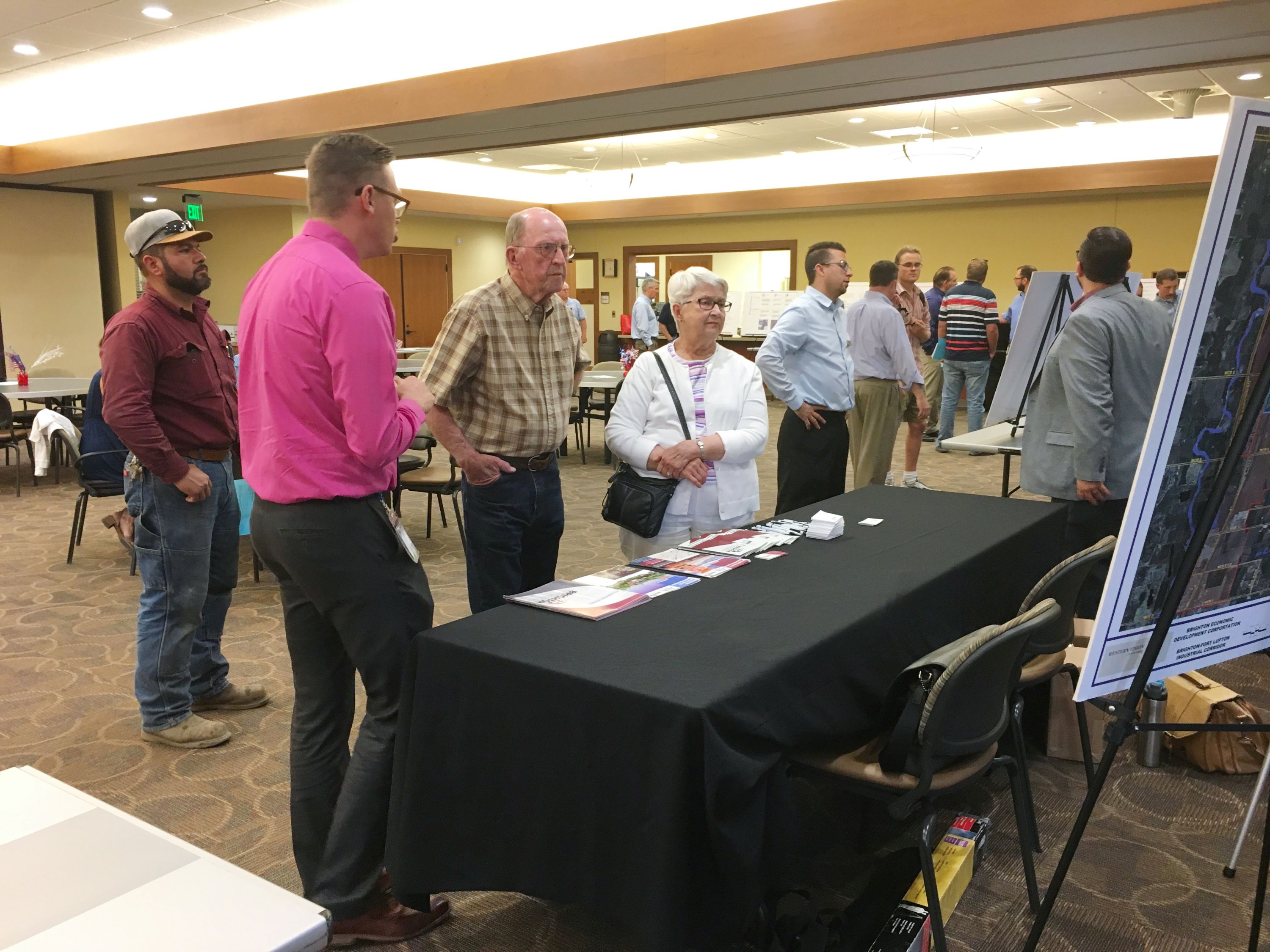
These sessions focused on developing a shared understanding of existing regulations to better envision future growth opportunities.
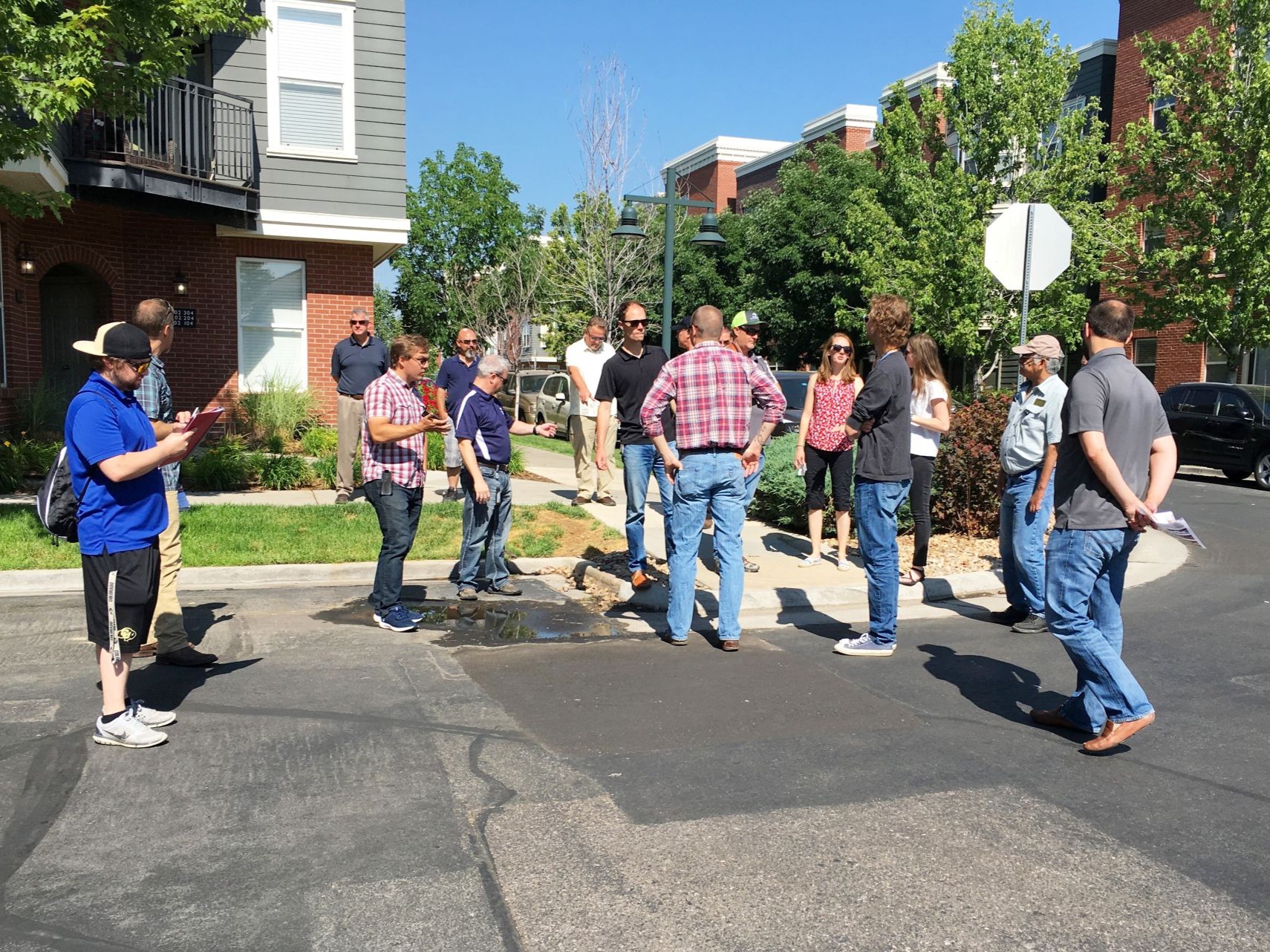
Our team guided participants in a regional “Metro Innovations Tour” around other Front Range communities to experience successful development models firsthand. This in-person approach helped establish proven best practices that could be incorporated into the new code.
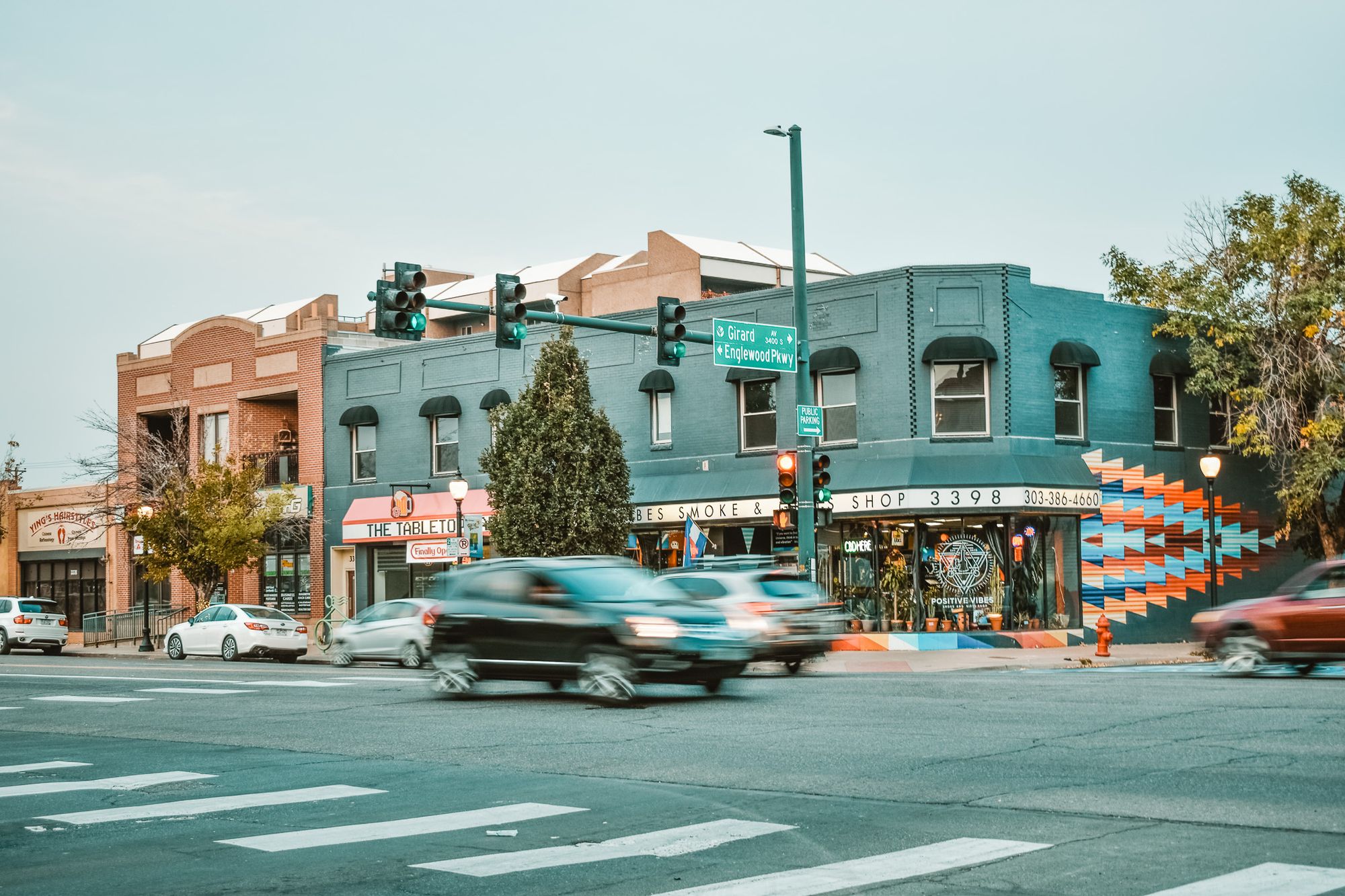
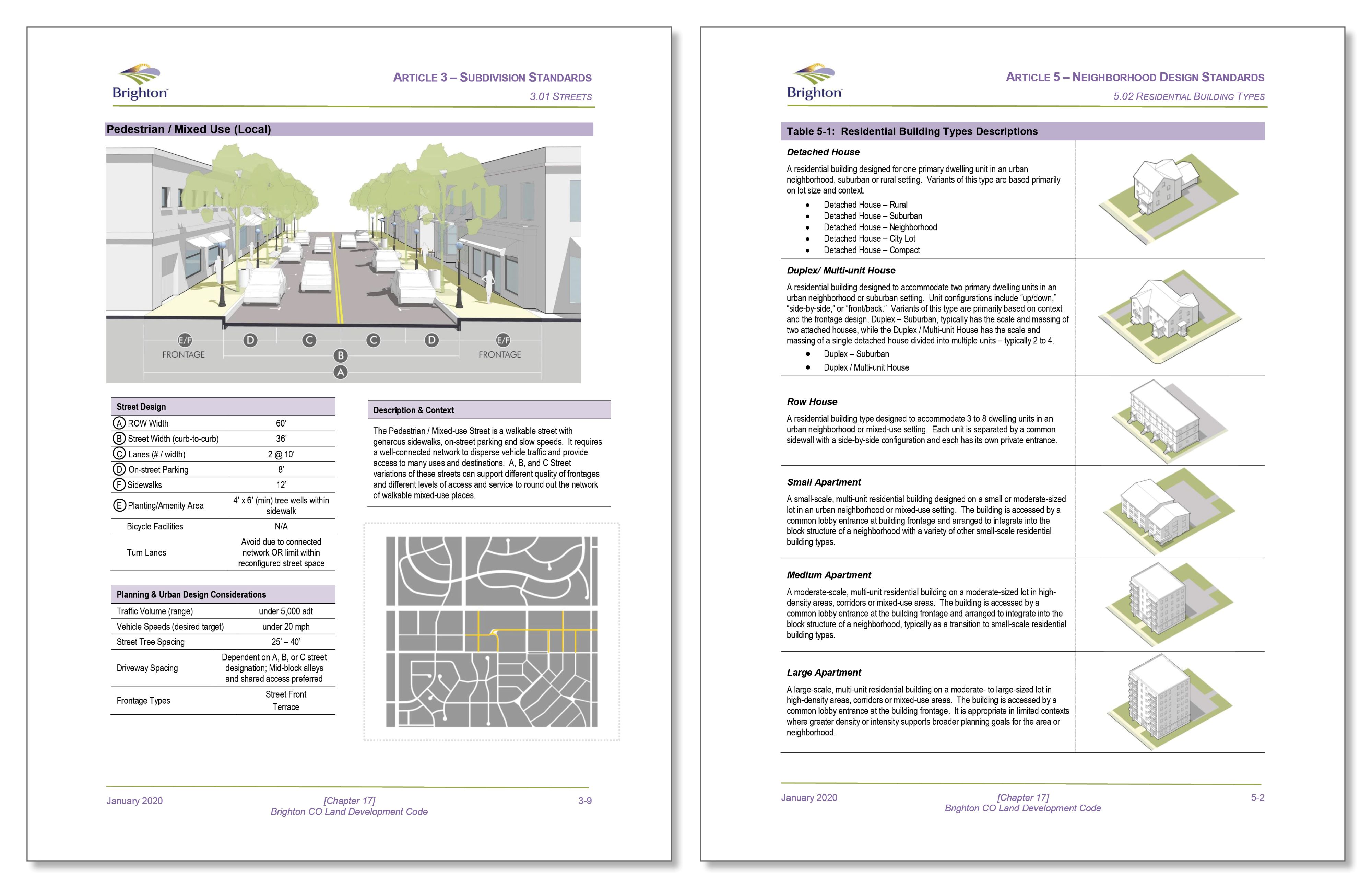
The new code elevates urban design and multimodal mobility by introducing a spectrum of context-based street design types. It expands housing variety through a simple building typology framework and introduces community incentives to promote affordable and accessible housing.
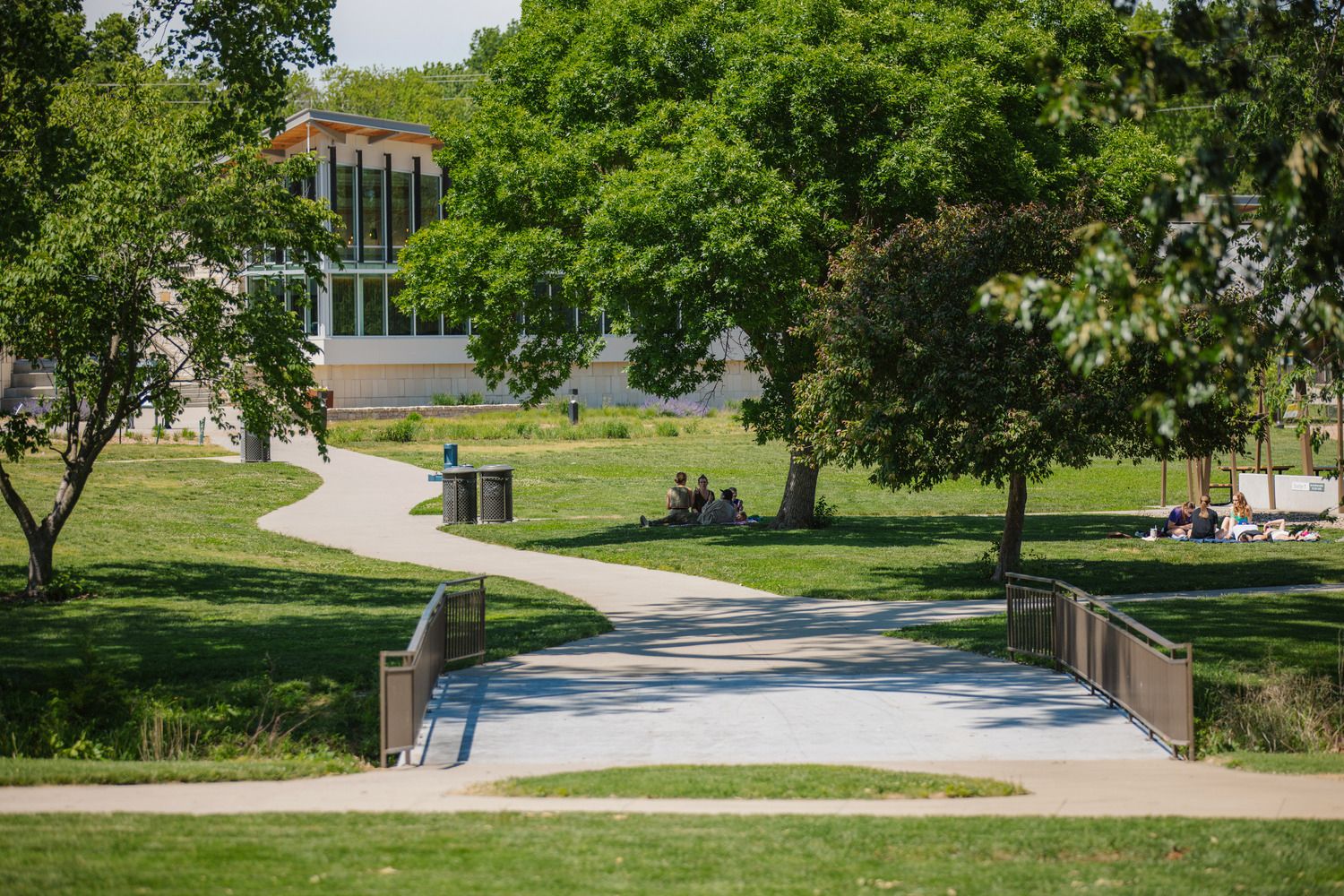
Provisions for agritourism, agricultural preservation, and farmworker housing reinforce Brighton’s agricultural heritage, while enabling small-scale agriculture within the community.
Flexible, performance-based standards promote water-efficient landscaping and mitigate the impacts of surface parking on the urban environment.

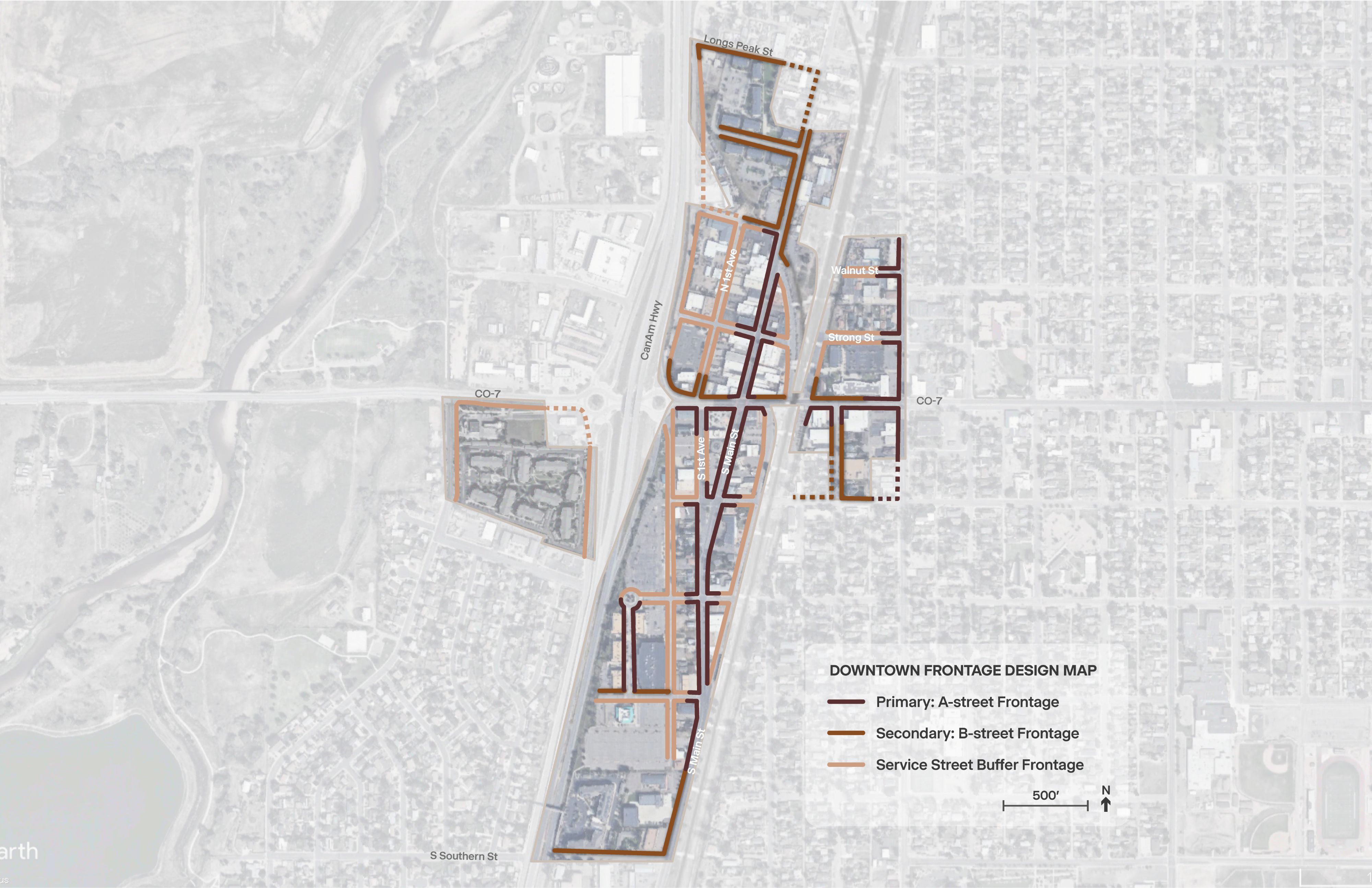
The new code elevates the standard of design in Brighton’s downtown with a streamlined system of context-based frontage types, applied through a block-by-block plan.
This approach improves the relationship between downtown development and streetscapes, while encouraging reinvestment in a historic part of the community.