Play
Pause
Photography: Michael Spillers, Assassi Productions

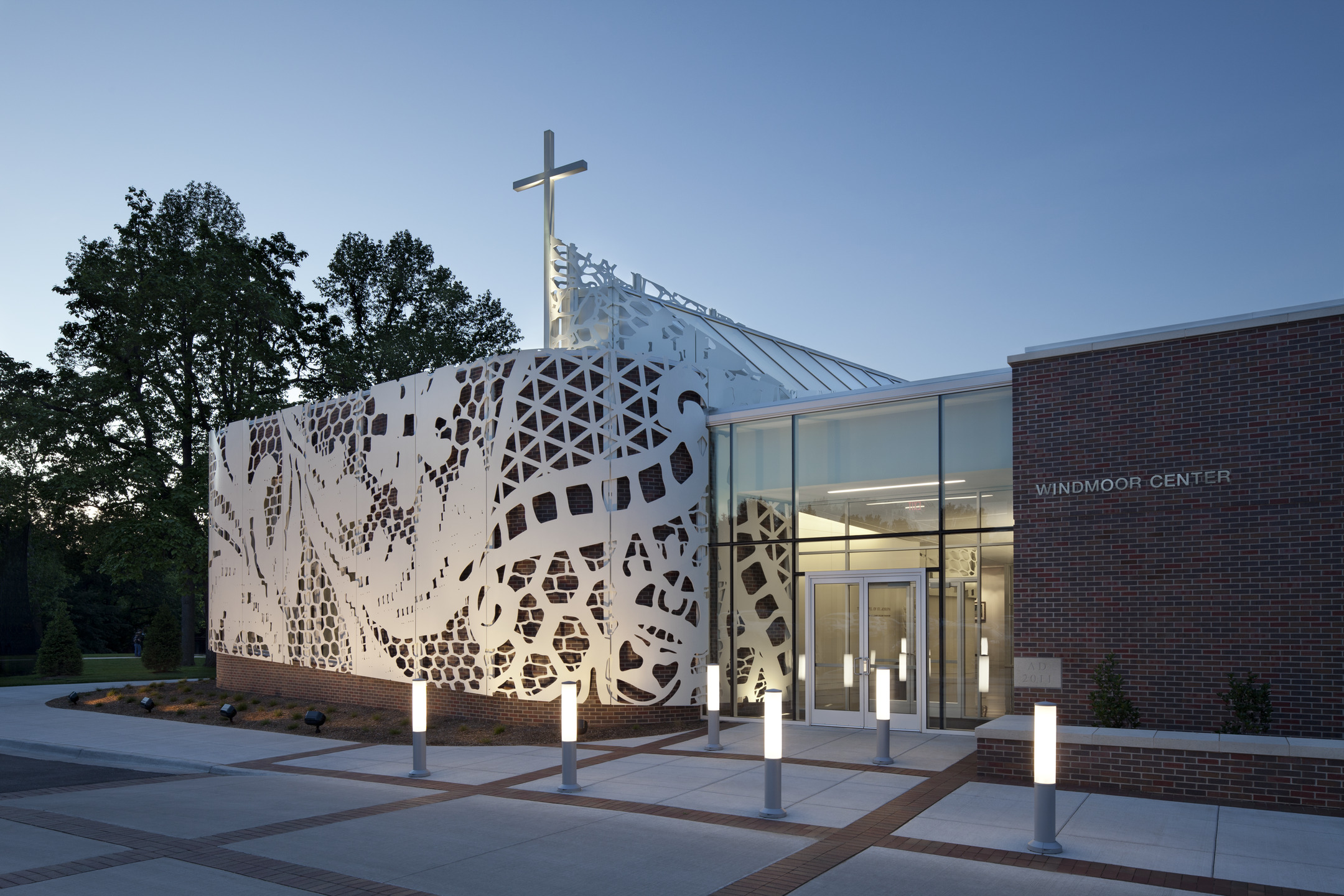
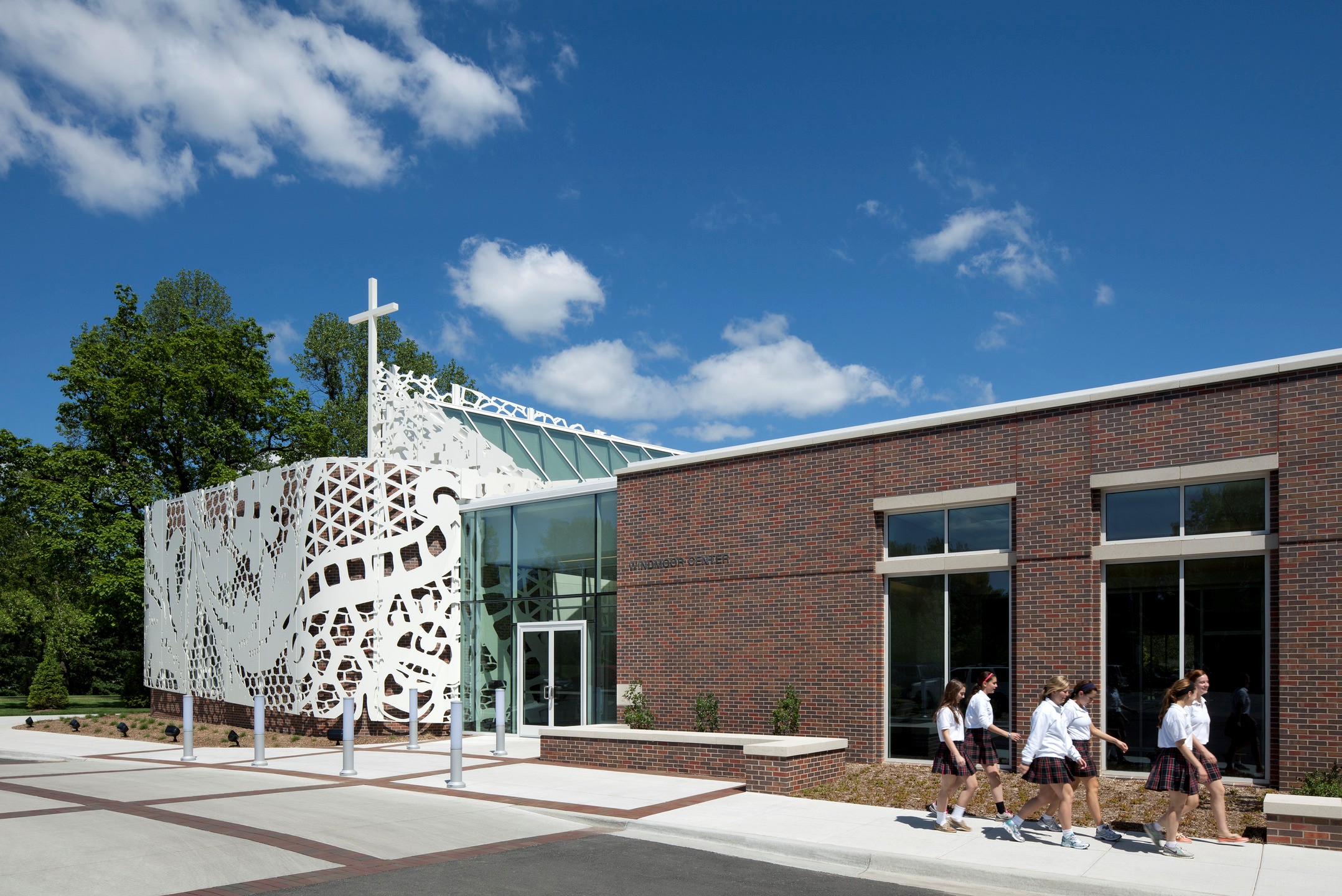
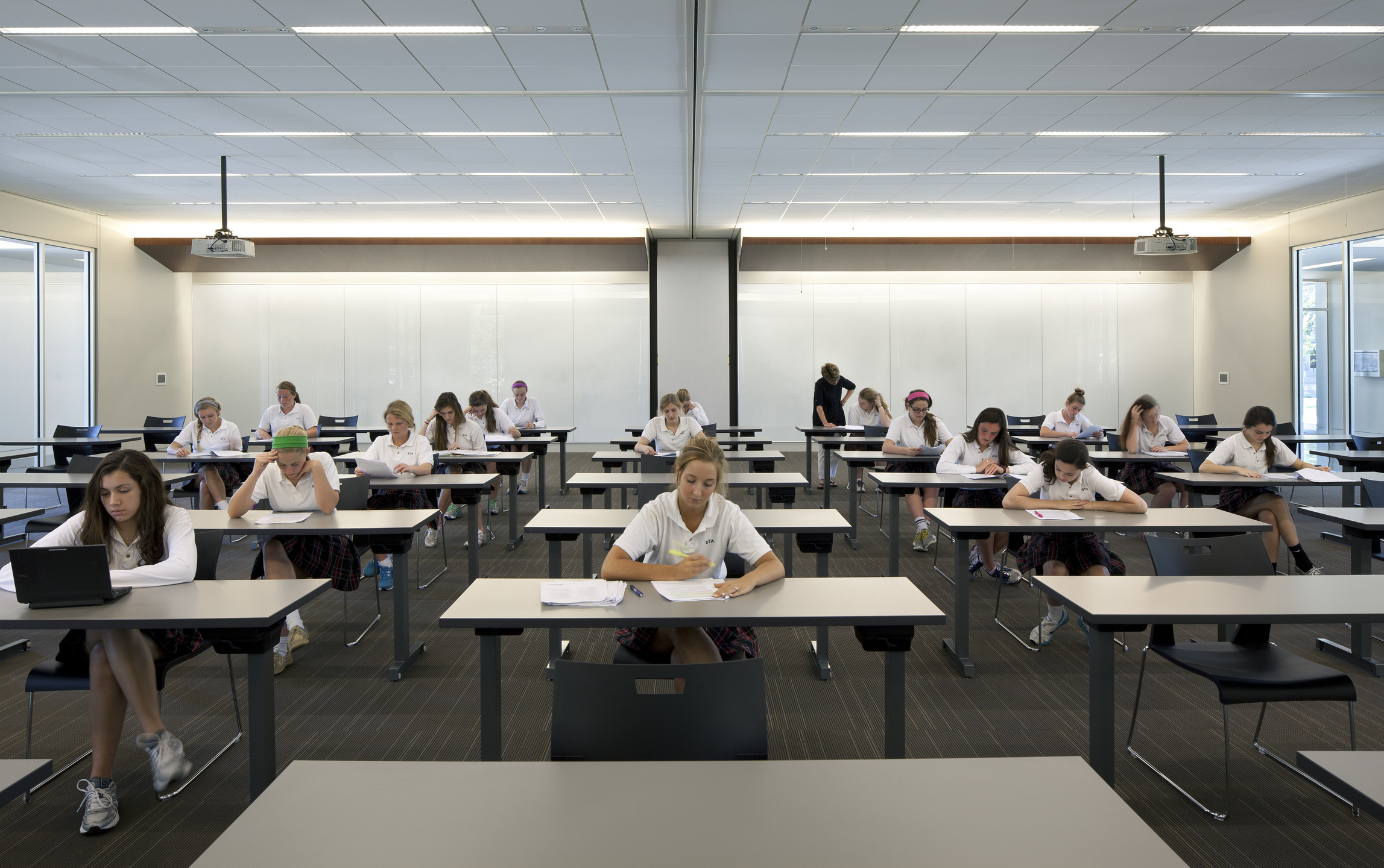
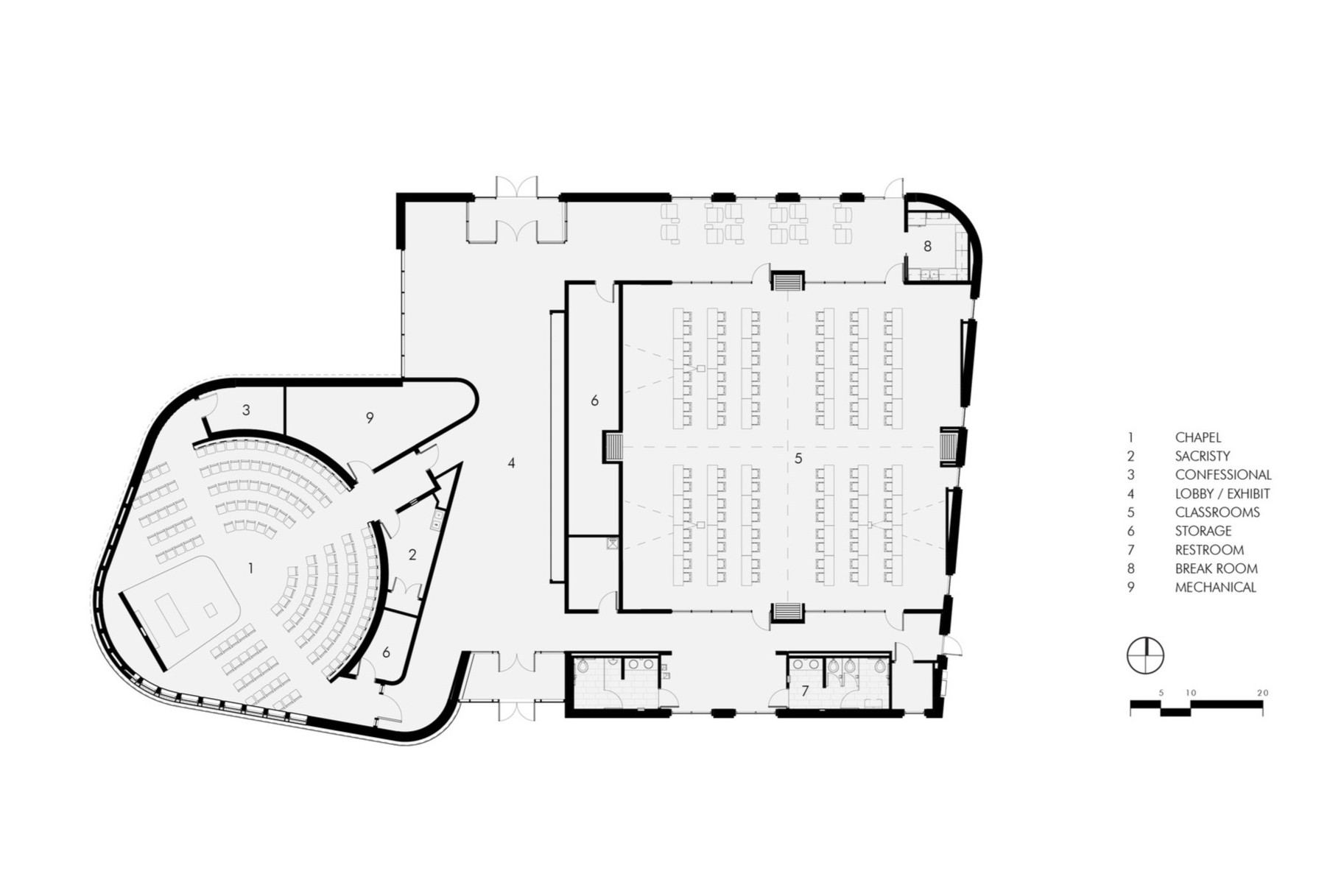
The building establishes the school’s spiritual and academic heart, balancing a progressive vision with a deep respect for its historical legacy. The 150-seat chapel, multiuse atrium, and flexible classroom spaces balance sacred and secular school programs, exemplifying the core values of the academy.
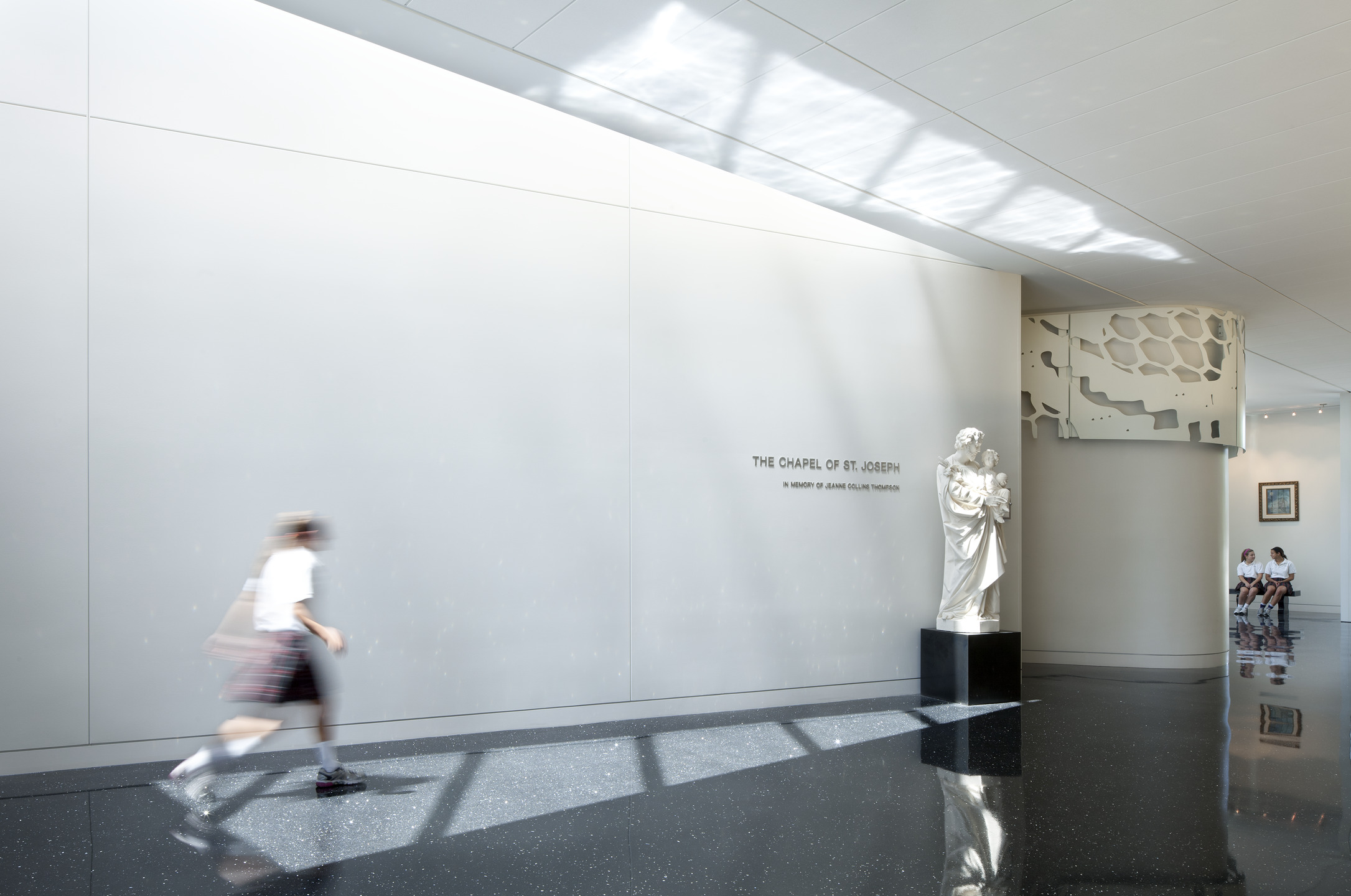
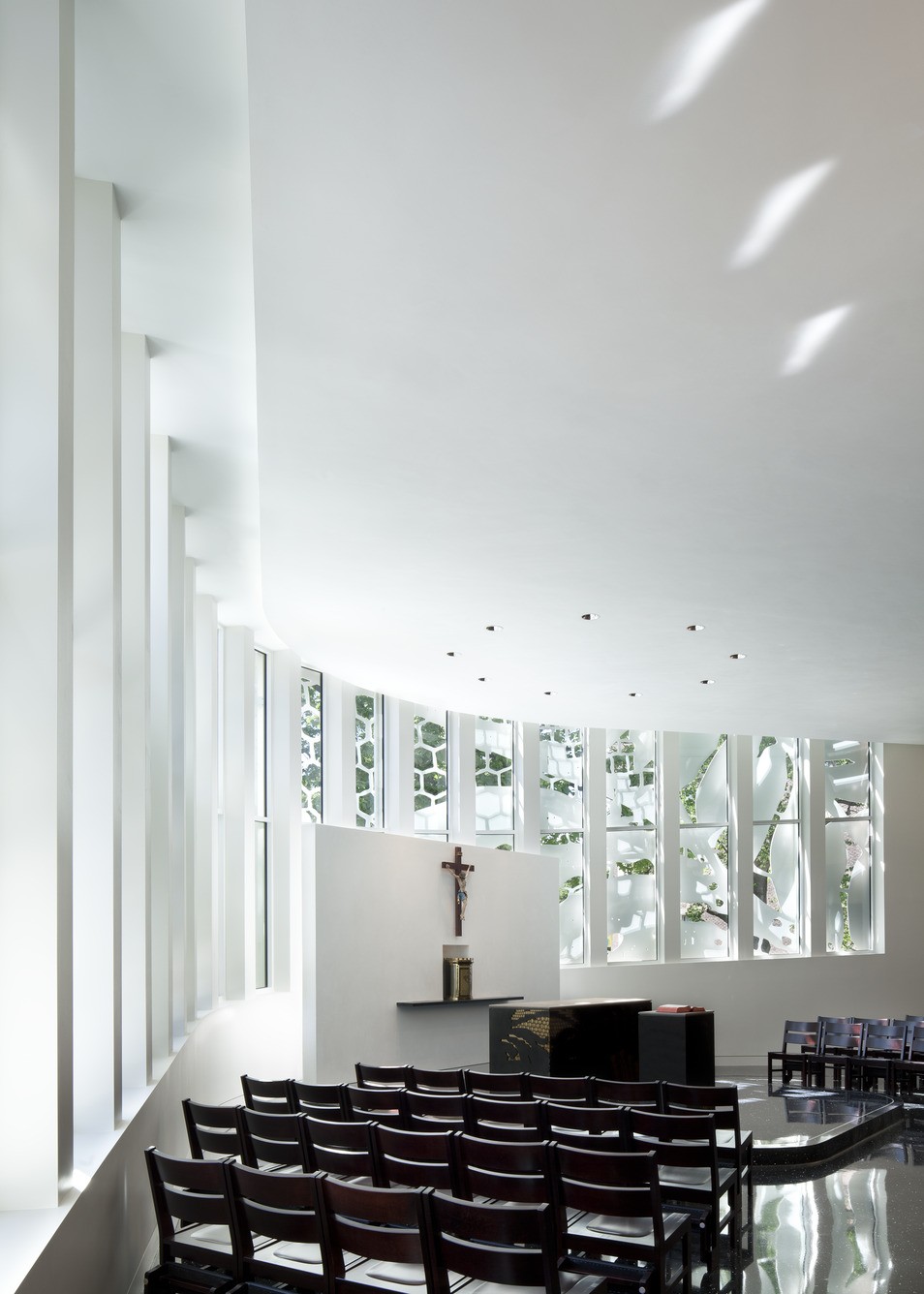
Based on engagement with students and faculty, a vision for the chapel emerged as a soft, feminine, contemplative space of worship that would be flooded with light and connected to nature.
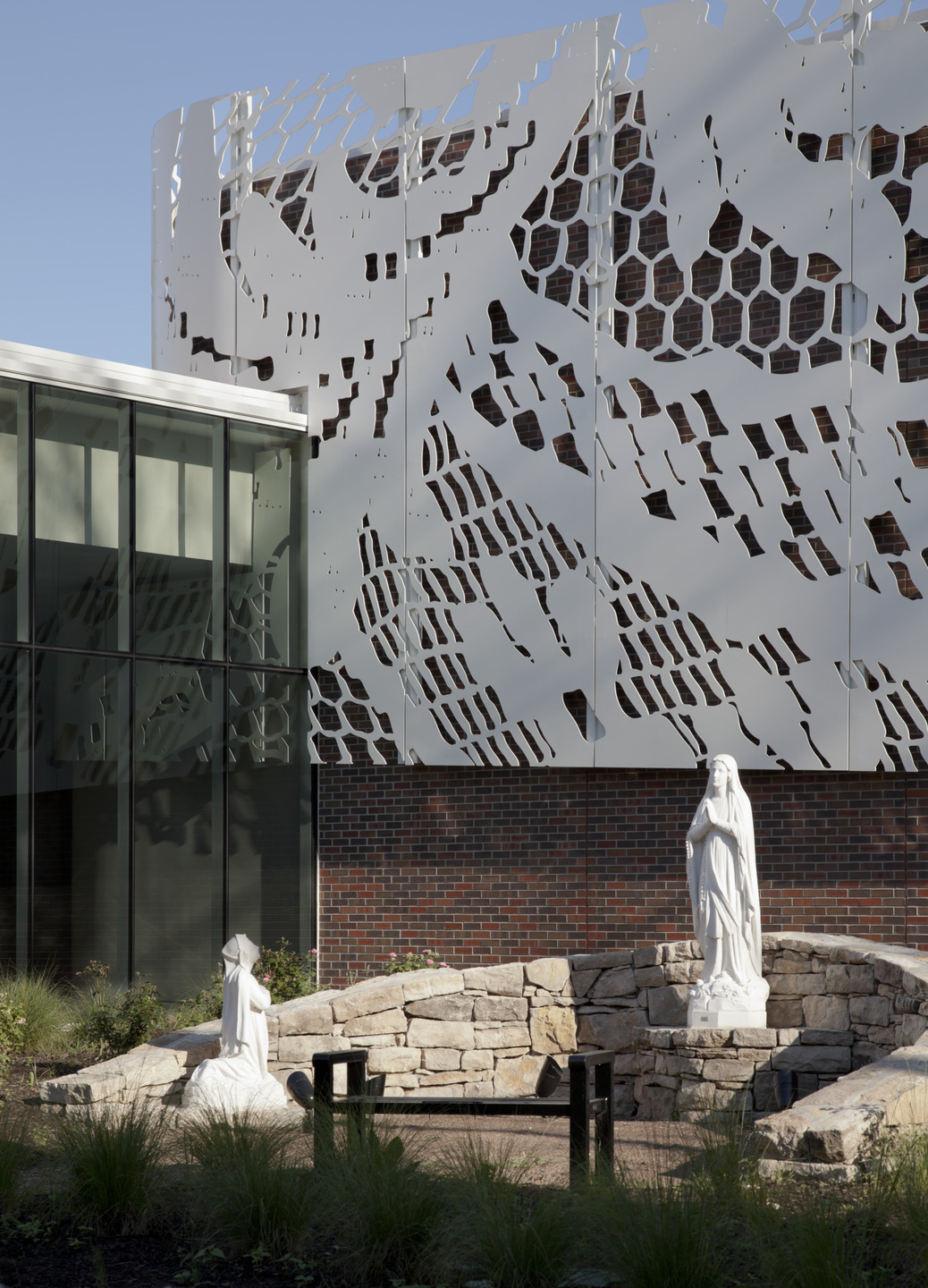
Named after St. Teresa of Avila, the patron saint of lacemakers, the Catholic, all-girls, college preparatory high school was founded in 1866 by the Sisters of St. Joseph of Carondelet; an order of nuns whose forebearers lived for centuries in Le Puy, France, making handcrafted lace to support themselves financially.
There was a strong desire among students and faculty to integrate the narrative of St. Teresa and the legacy of being the oldest school in the city into the Windmoor Center design. Simultaneously, the school embraces a forward-looking academic approach that requires state-of-the-art learning zones and flexible space usage.
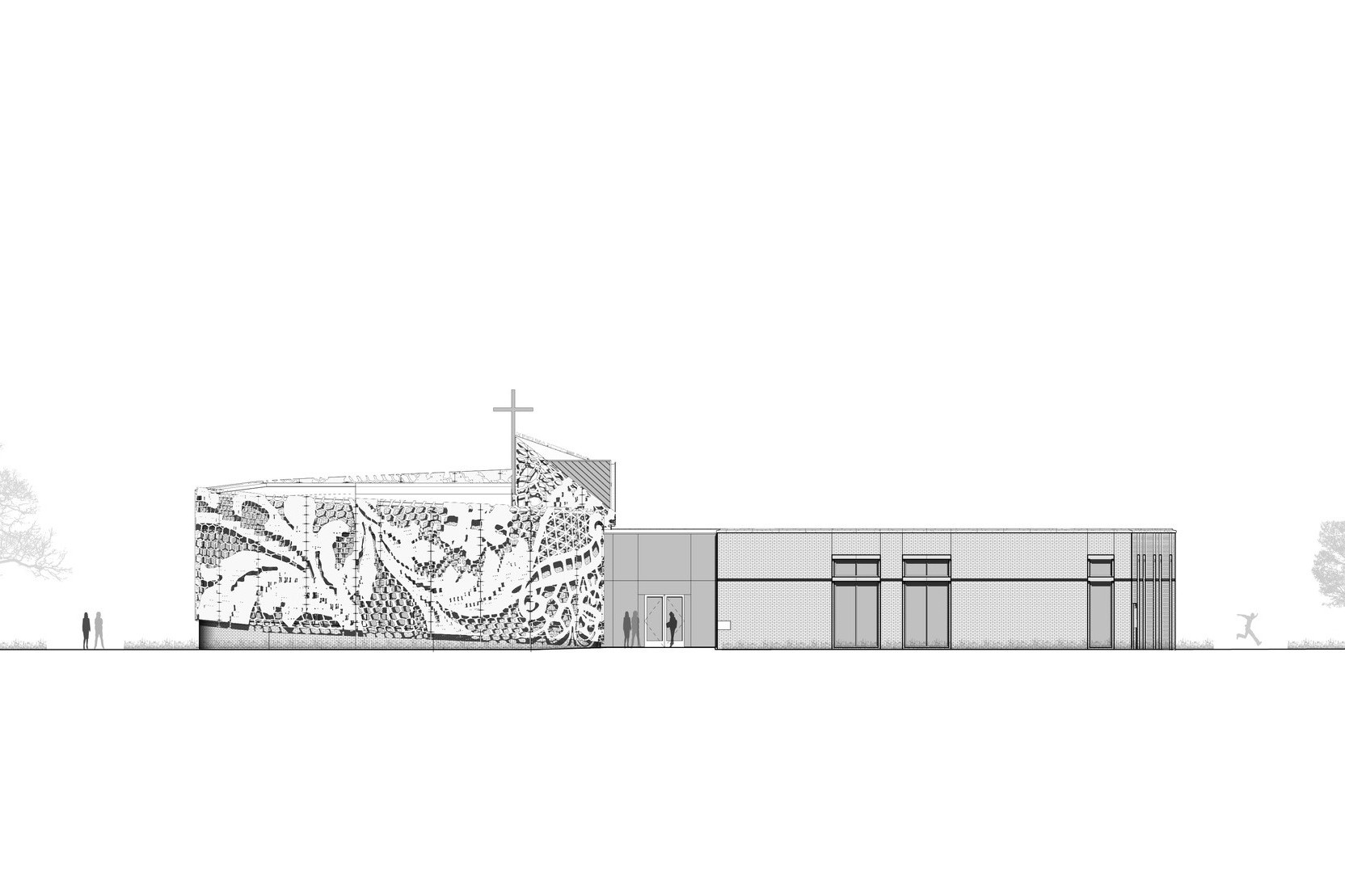
The design team manifested this vision as a lace veil over glass, shrouding the worship space and draping over a soft-edged brick form that responds to existing campus architecture.
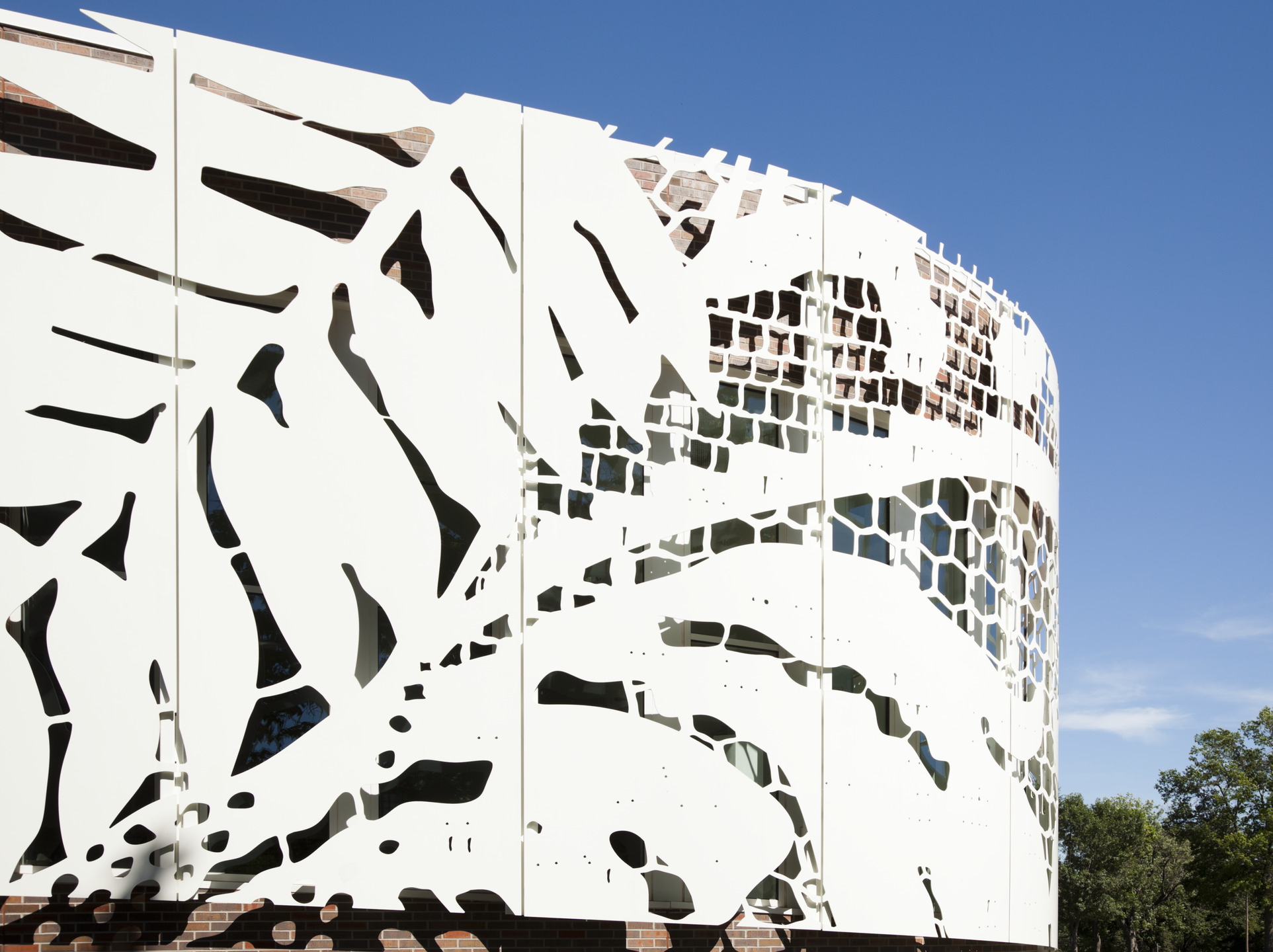
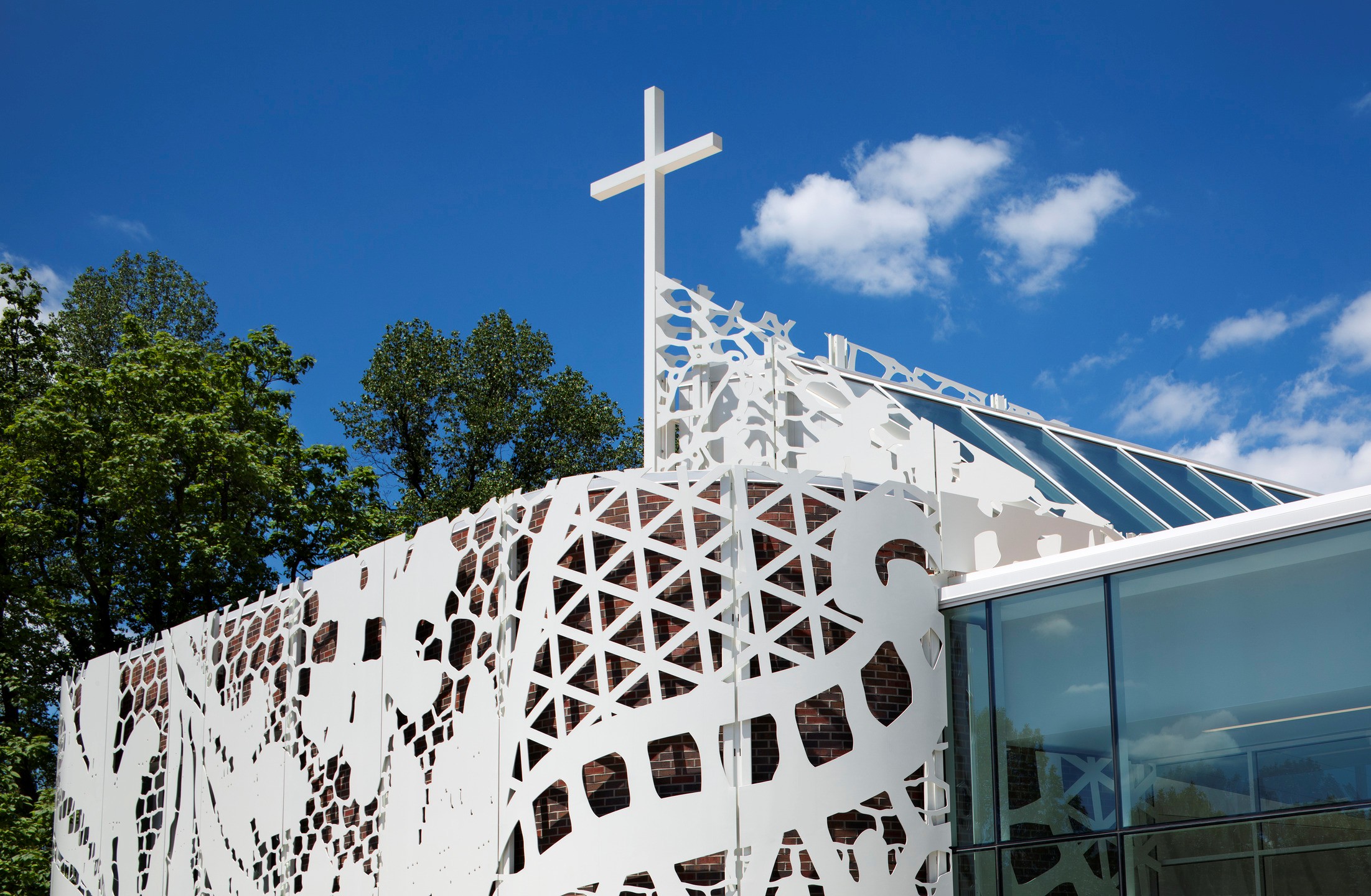
Multistudio conducted material experimentation and digital fabrication explorations to translate the concept of creating a lace scrim into built form. Material, finish, and digital and mechanical tolerances were all precisely coordinated and tested with the fabricator to ensure an elegant translation of the organic design onto the chapel’s waterjet cut aluminum panels.
The result is a memorable exterior that greets campus visitors and a beautifully light-dappled interior that inspires both sacred and secular reflection.
Nan Bone, former president of St. Teresa’s Academy