Play
Pause
Photographer: Michael Robinson & Chase Castor
Videographer: Bryan Tarnowski | Multistudio

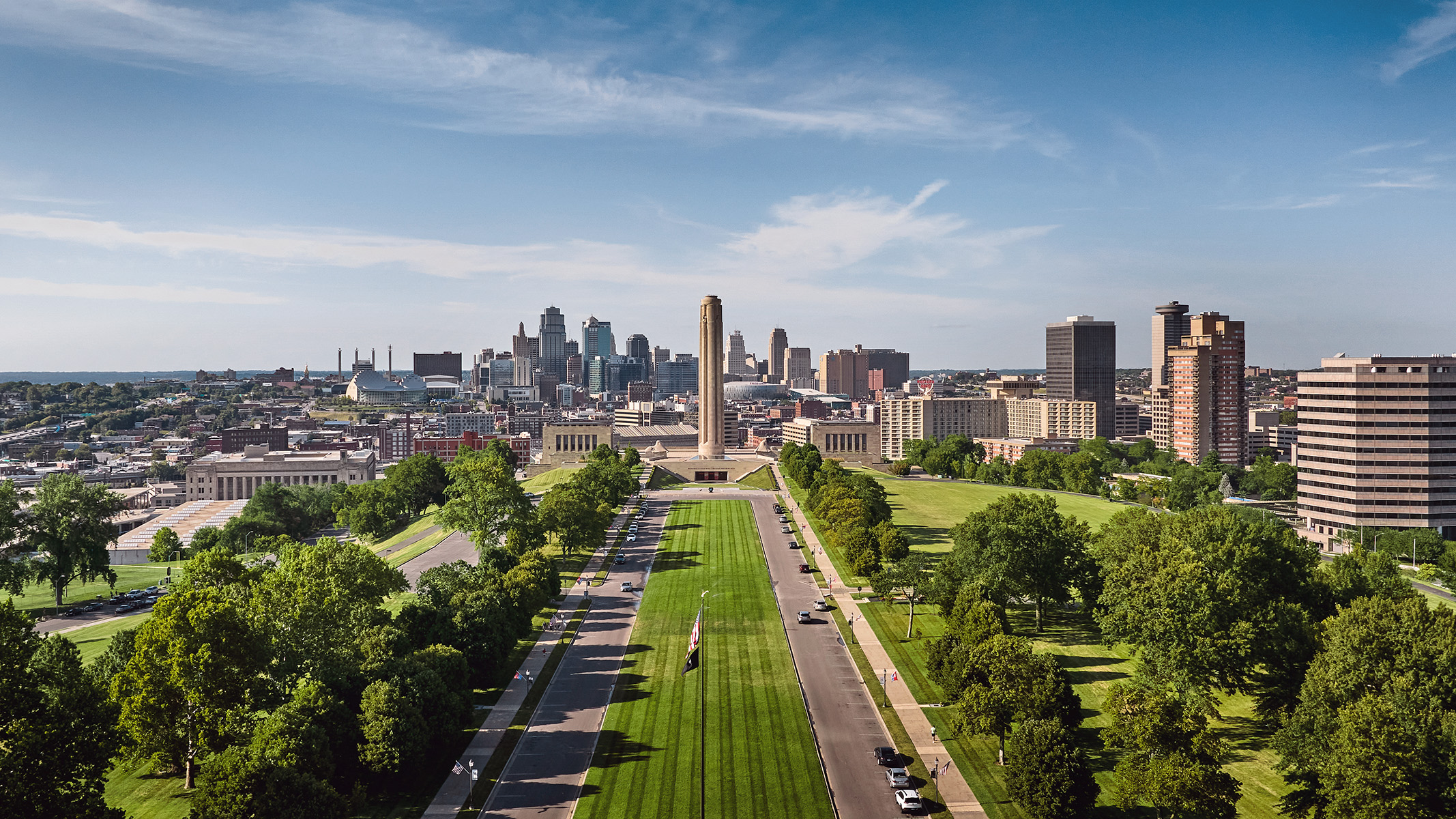
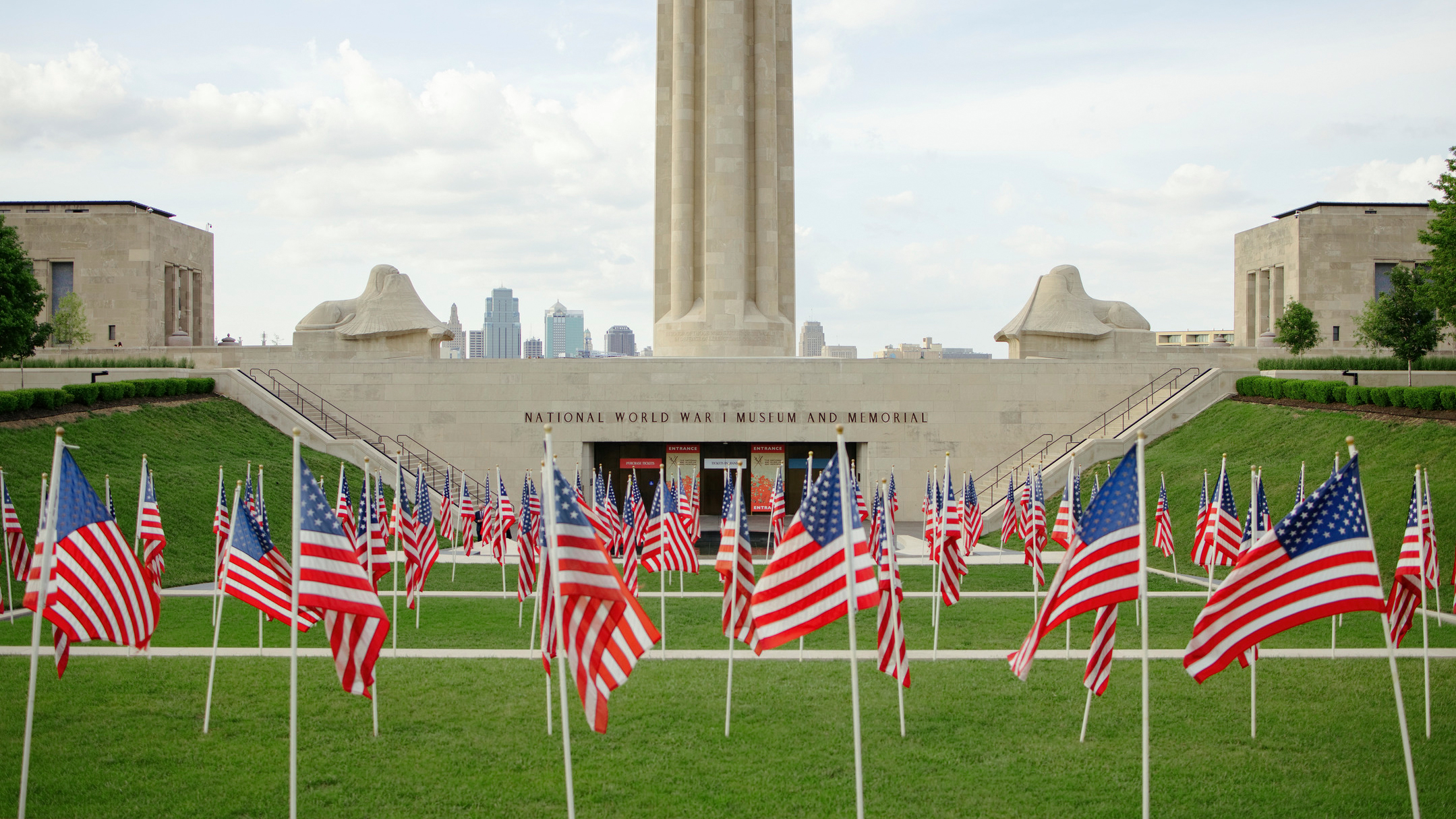
The National World War I Museum and Memorial (WWI Museum), stands as a significant testament to the memory and historical significance of World War I. The classical Egyptian Revival-style monument and Liberty Memorial was completed in 1926, and the 80,000 SF Museum underneath opened to national acclaim in 2006. This iconic Museum and Memorial is dedicated to preserving the history of World War I and honoring the sacrifices of those who served.

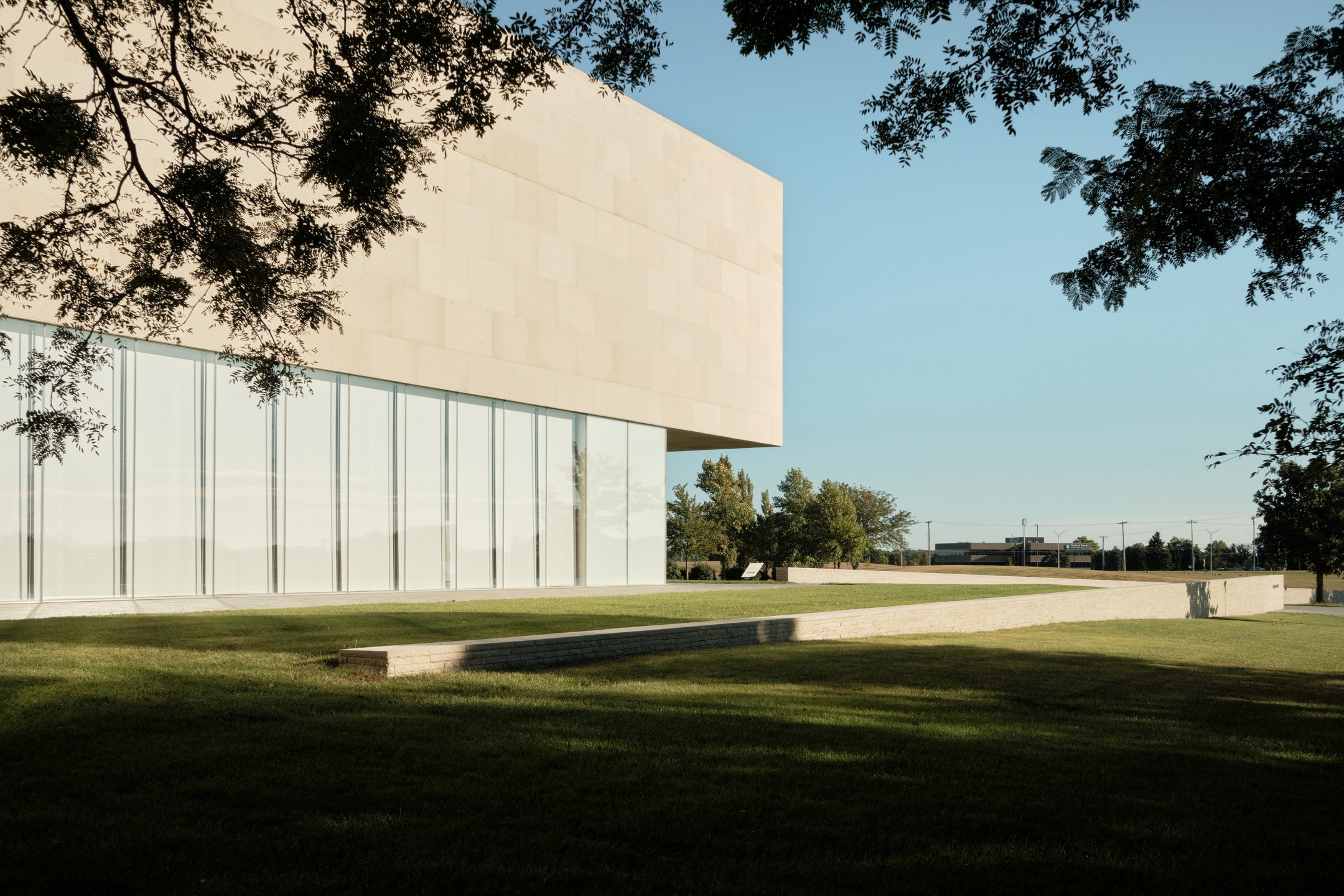
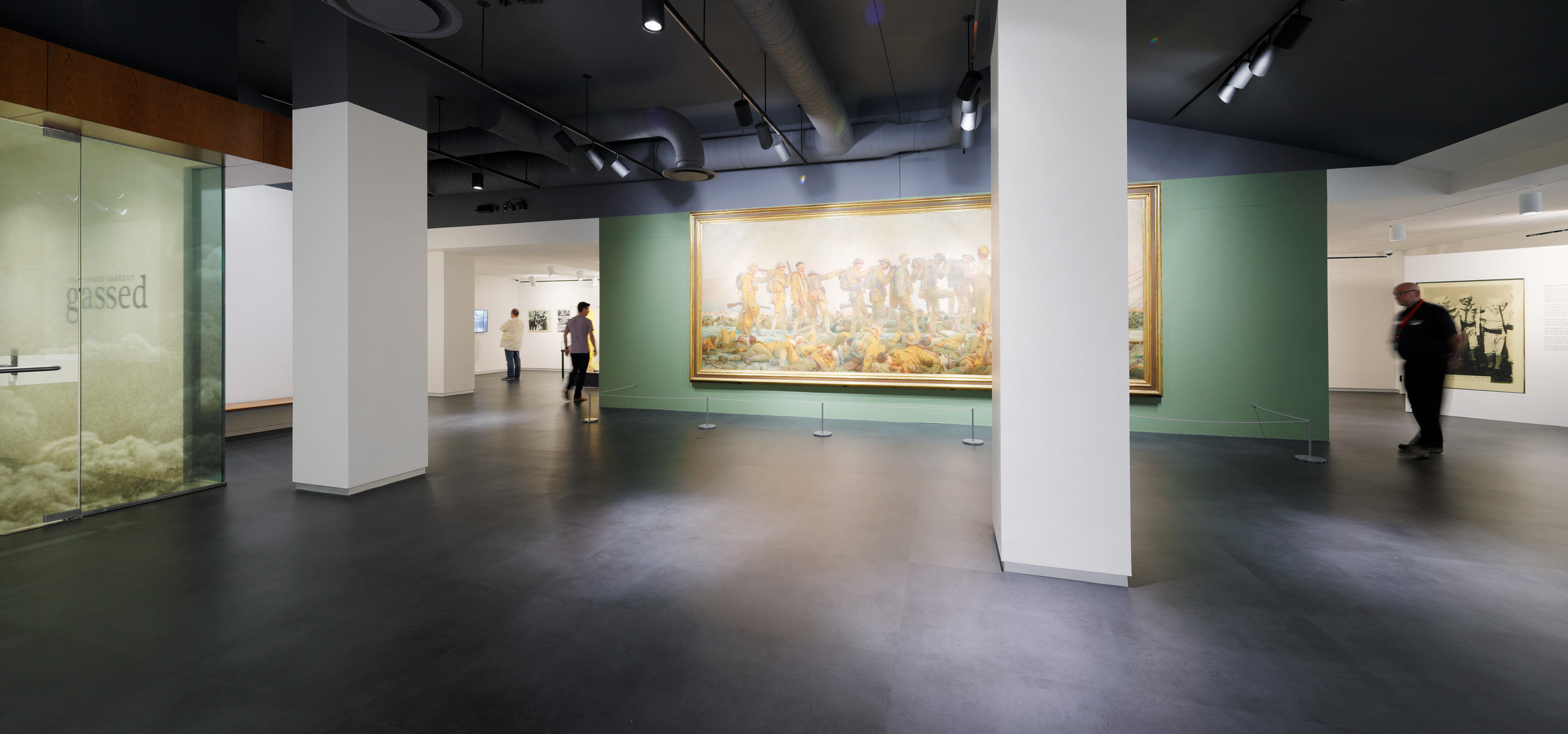
In 2018, Multistudio transformed an existing utility space into the innovative Wylie Gallery. Functioning as a “box within a box,” the Wylie Gallery expanded the Museum’s capabilities to host traveling exhibitions. This transformation also ingeniously resolved stormwater drainage challenges posed by the gallery’s location beneath an open-air plaza, showcasing Multistudio’s expertise of expanding the possibilities of a project while designing for both form and function.
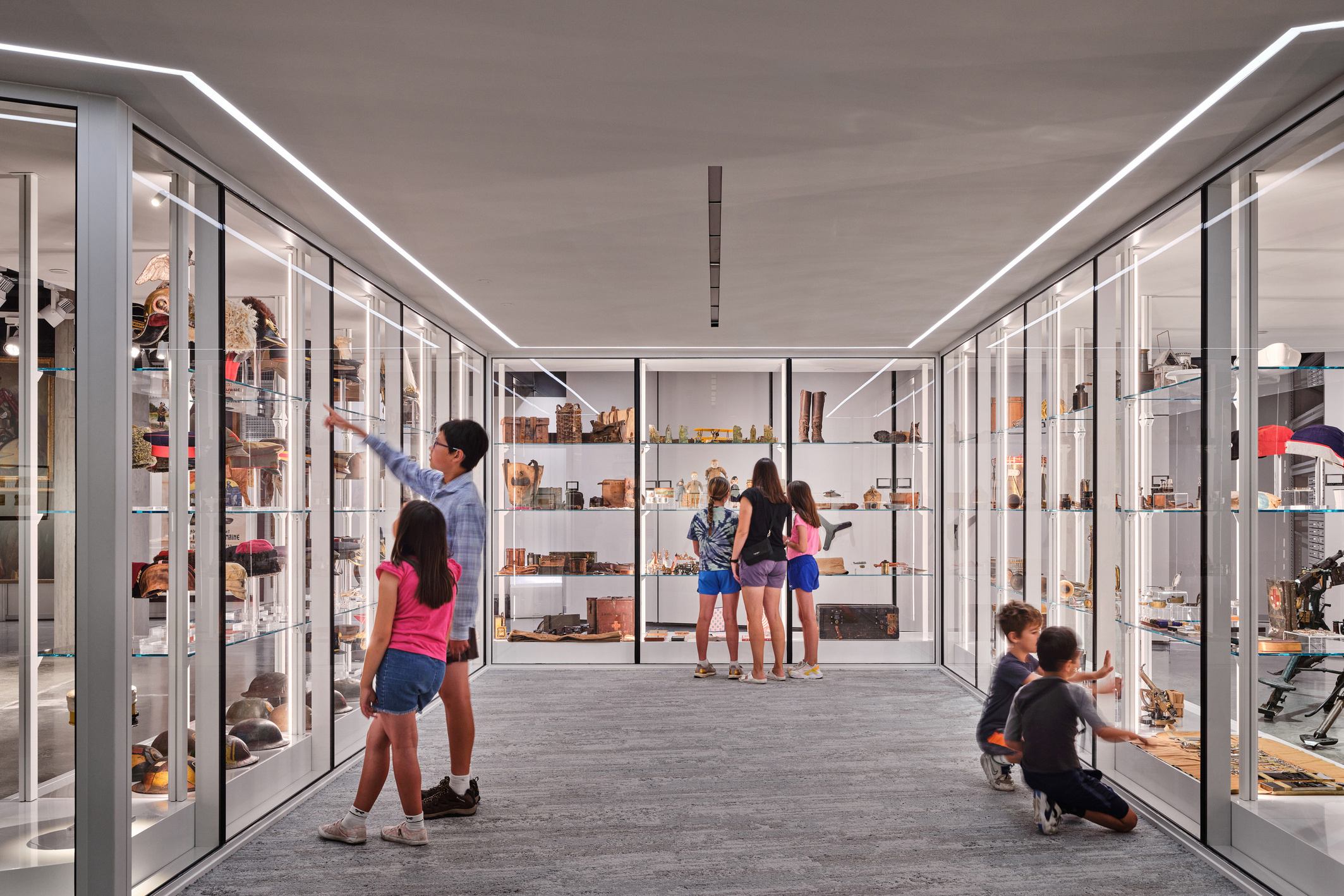
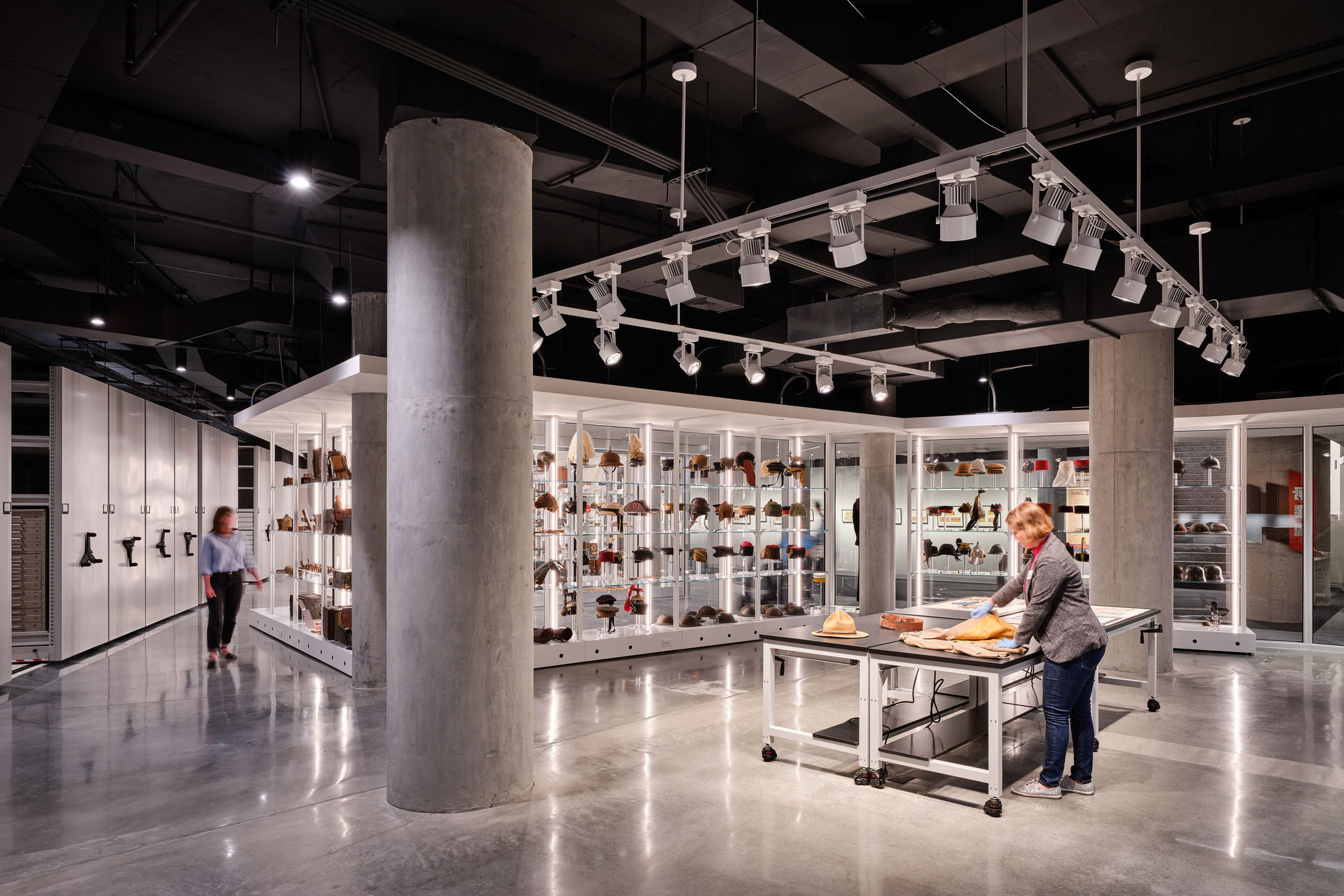
In another stride toward modernization and improved public engagement, Multistudio undertook the renovation and adaptive reuse of the Bergman Family Gallery and Open Storage Center, which opened in 2023. By repurposing an underused storage corridor and research room, this endeavor added approximately 4,000 SF of exhibition space by making artifacts that were previously hidden from view accessible to the public through an expansive 190-foot “coastline” of window cases. The new space fosters a sense of transparency and showcases the dedicated efforts of the museum’s staff by providing clear site lines to an open storage center and work room.

Since 2009, Multistudio’s landscape architecture team, led by Robert Whitman, has partnered with The National WWI Museum and Memorial to steward and enhance the campus through a comprehensive, long-term approach.
This work has included landscape, irrigation, and security upgrades; fountain and exterior stone restoration; lighting improvements; Main Street wall repairs; and erosion mitigation. Subsequent phases advanced campus wayfinding, East Dock design, tree replacement, and the integration of exterior seating and power to better support public use.
More recent efforts include the Memorial Walk of Honor and West Dock designs, a new monument sign, expanded landscape services, and a landscape assessment report to inform long-term planning.
Collectively, this work has touched nearly every part of the site—and the partnership continues, with planned site security improvements and a comprehensive tree master plan anticipated in 2026.