Student Engagement Promotes Community Investment
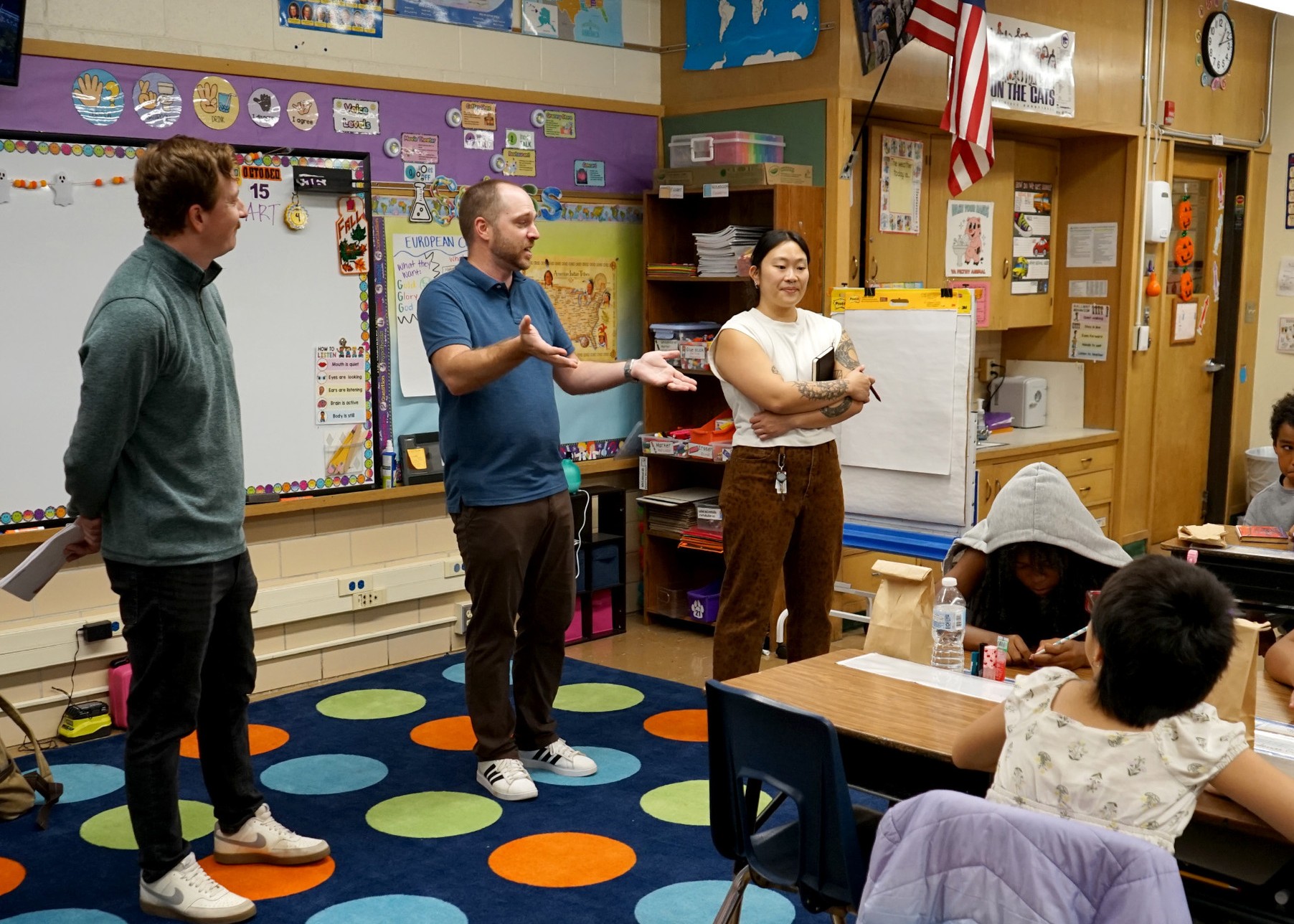
The answer to this question may seem obvious, but it is too often overlooked: We must start by listening. A one-size-fits-all engagement process will produce a similarly status quo design. Excellent community design should start with an engagement process that interweaves data and stories with humans at the center. This might look different for every community we encounter. So be it—our goal is to create designs that respond directly to client and stakeholder needs, and to understand those needs, we must establish effective lanes of communication.

School represents an important early opportunity for children to learn about their place in their community.
School design needs to capture that same feeling of shared ownership and identity to reinforce a sense of belonging for each and every member of the community.
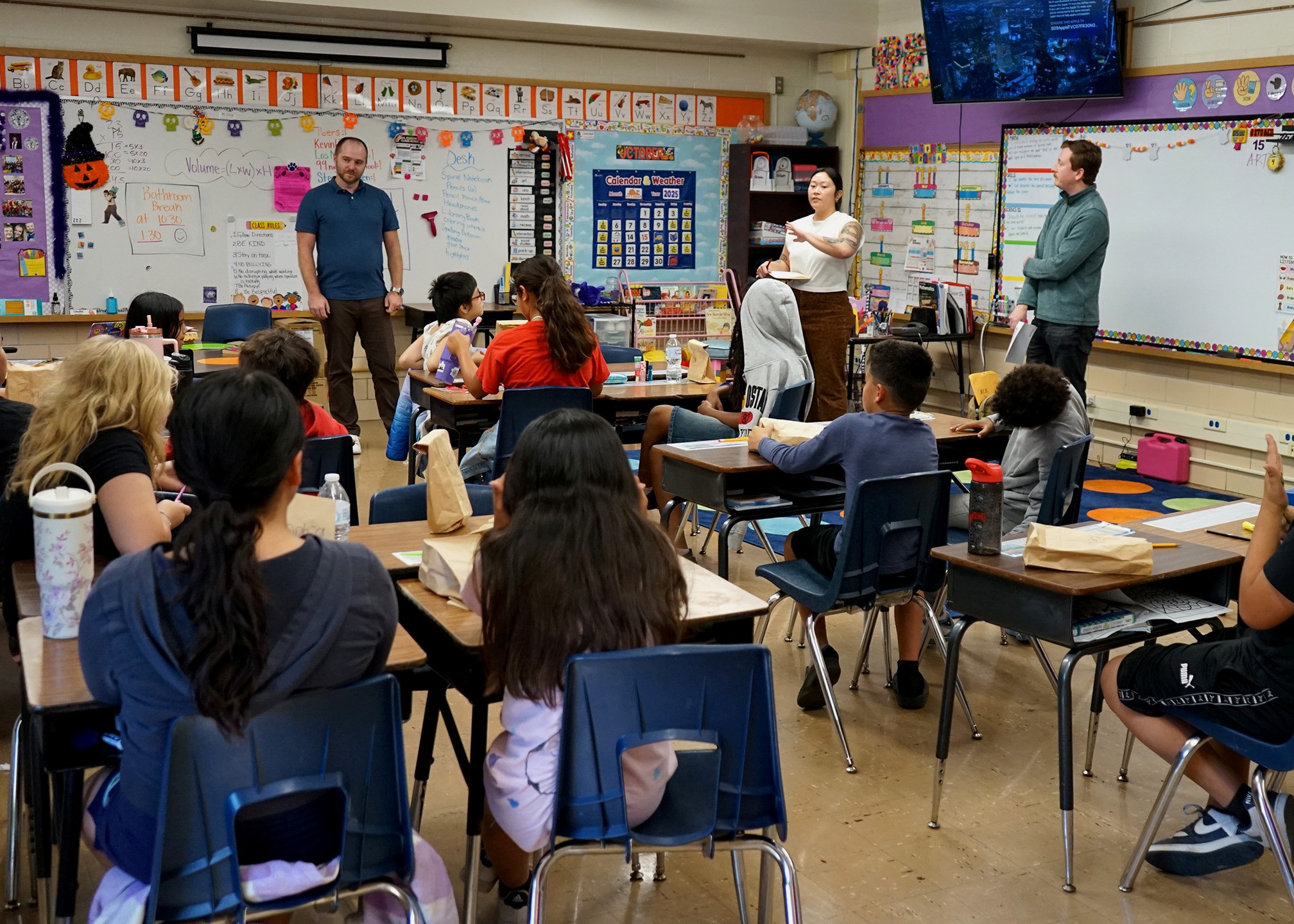
To capture this feeling, project engagement needs to be intentional. It must be more than a cookie-cutter step in the design process. A sleepy set of dot polls or a formulaic class discussion (with the same 3 hands raised for every question) works against the ethos of a shared place. It is crucial to place human connection at the center, which is why we use a robust process developed through a combination of rigorous educational research, deep design expertise, and personal connections. Each engagement activity is related to how we grow our relationship with clients and communities to understand their needs and goals for a project.
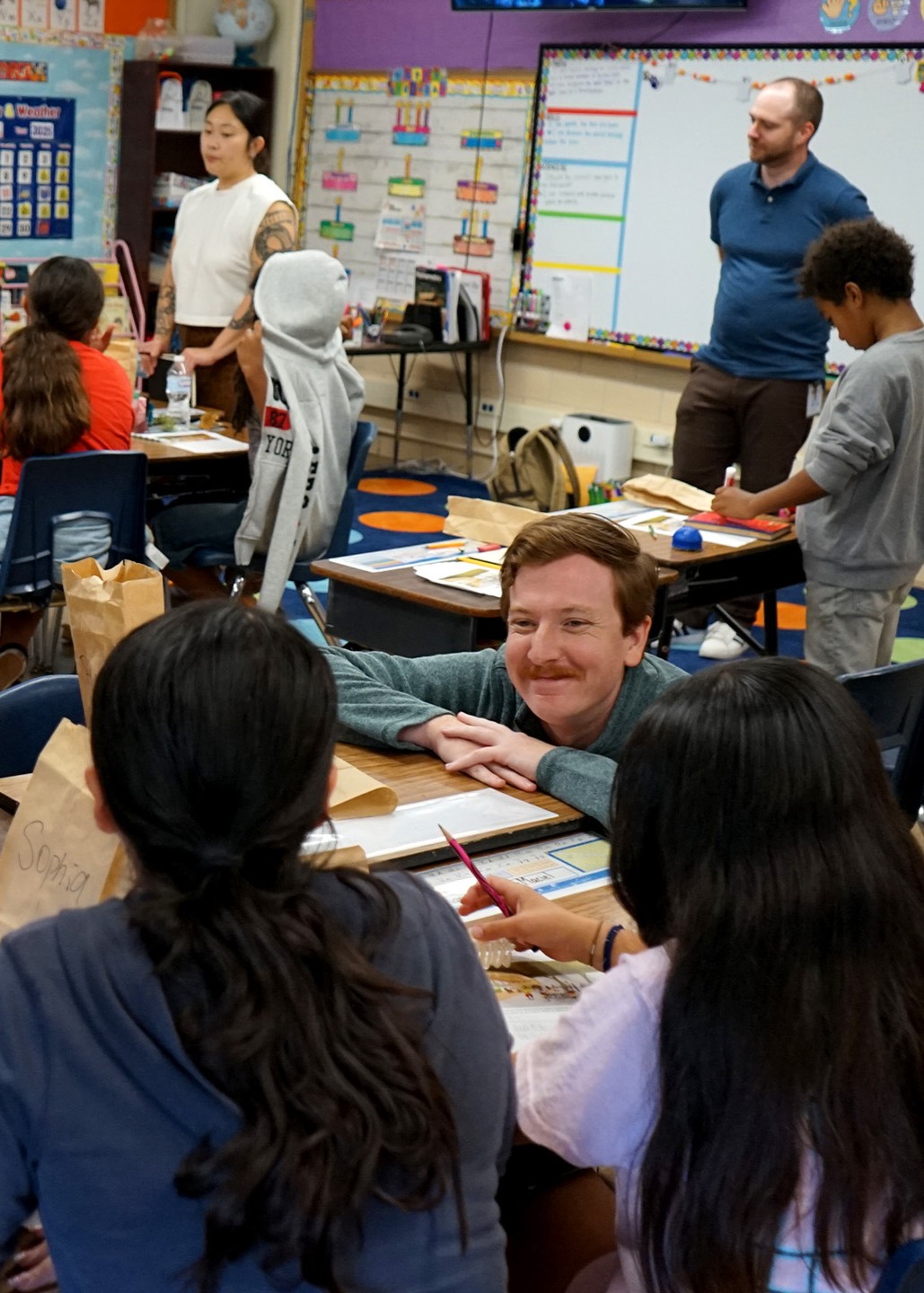
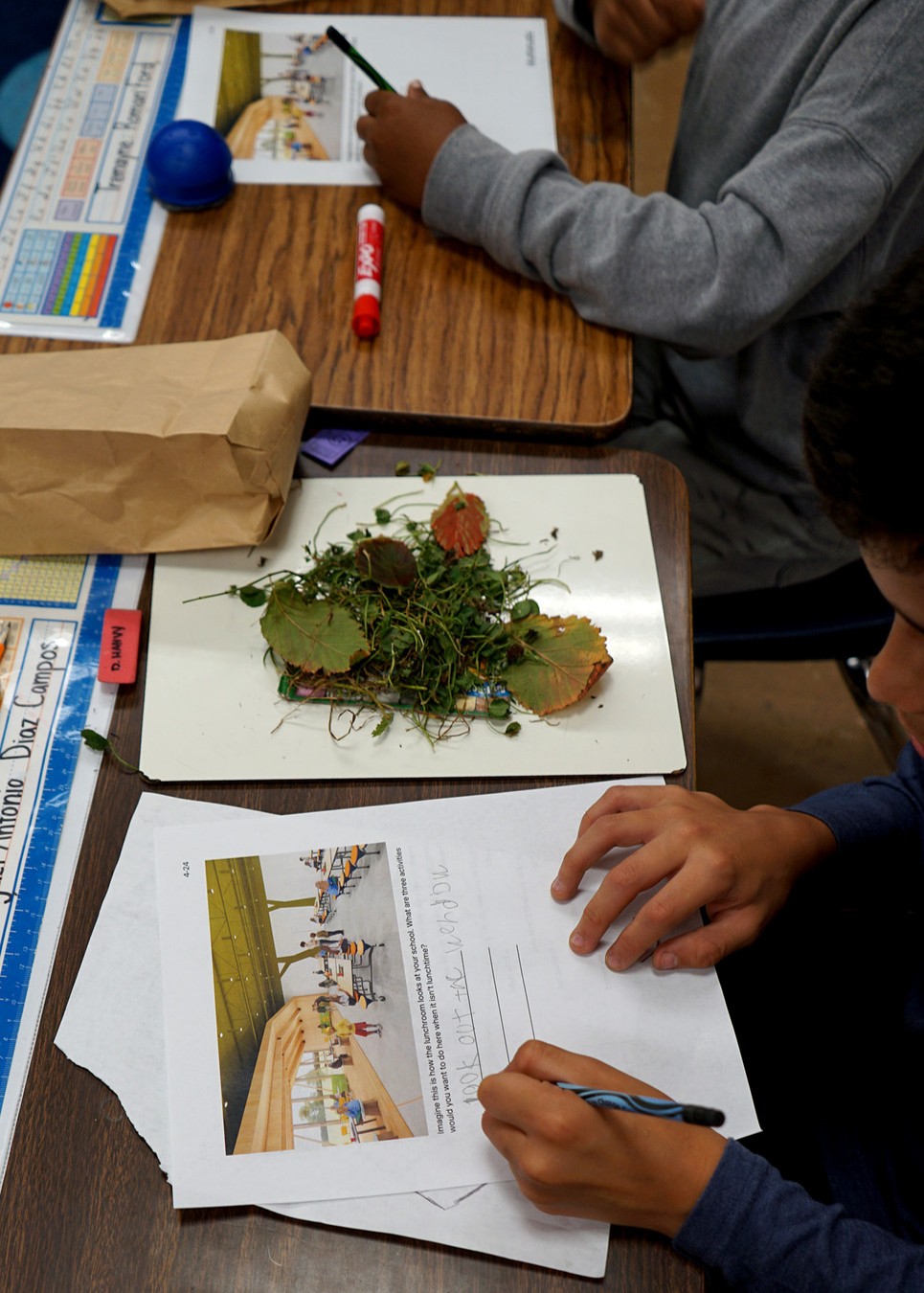
We recently implemented a Community Nature Artifact engagement strategy with elementary school students in Kansas City, KS, inviting them to collect and share small tokens from their neighborhood that are meaningful to them. These tactile pieces of their community spark rich dialogue among students about what makes their community special. Project architect Pennie Liu says, “it’s not about the acorn they may bring in, but the story behind the acorn.” Workshop activities like these combine concrete data collection (like artifact lists) with the human stories that accompany them.
Using the qualitative and quantitative data collected from sessions such as this one, we are able to better understand the wants and needs of the communities our designs serve. Listening to student feedback and giving them a voice contributes to richer project outcomes that are more closely tied to the community.

