Rethinking Sustainability with Architect Ian Colburn
Senior Project Director and architect Ian Colburn approaches every project from a sustainability framework that he developed early in his career. His understanding of sustainability is based around five pillars: Social, Environmental, Economic, Cultural, and Intellectual (SEECI). Through each of these categories, he evaluates the long-term sustainability of a project, shifting focus areas in response to climate, client and community needs.
Ian grew up in a family of artists, craftspeople, and builders, informing a design approach that prioritizes processes as much as project outcomes. He began working in construction in his early years, pouring concrete that became foundational to the way he viewed the built environment.
A college internship at a global architecture firm reinforced his passion for sustainability across building systems, from the environmental impact to the social implications of a landscape or building project. Throughout his career, Ian has continued to refine his understanding of what sustainability can mean for different projects and user groups.
We sat down with Ian to learn more about his design approach and how he applies his sustainability framework at Multistudio.
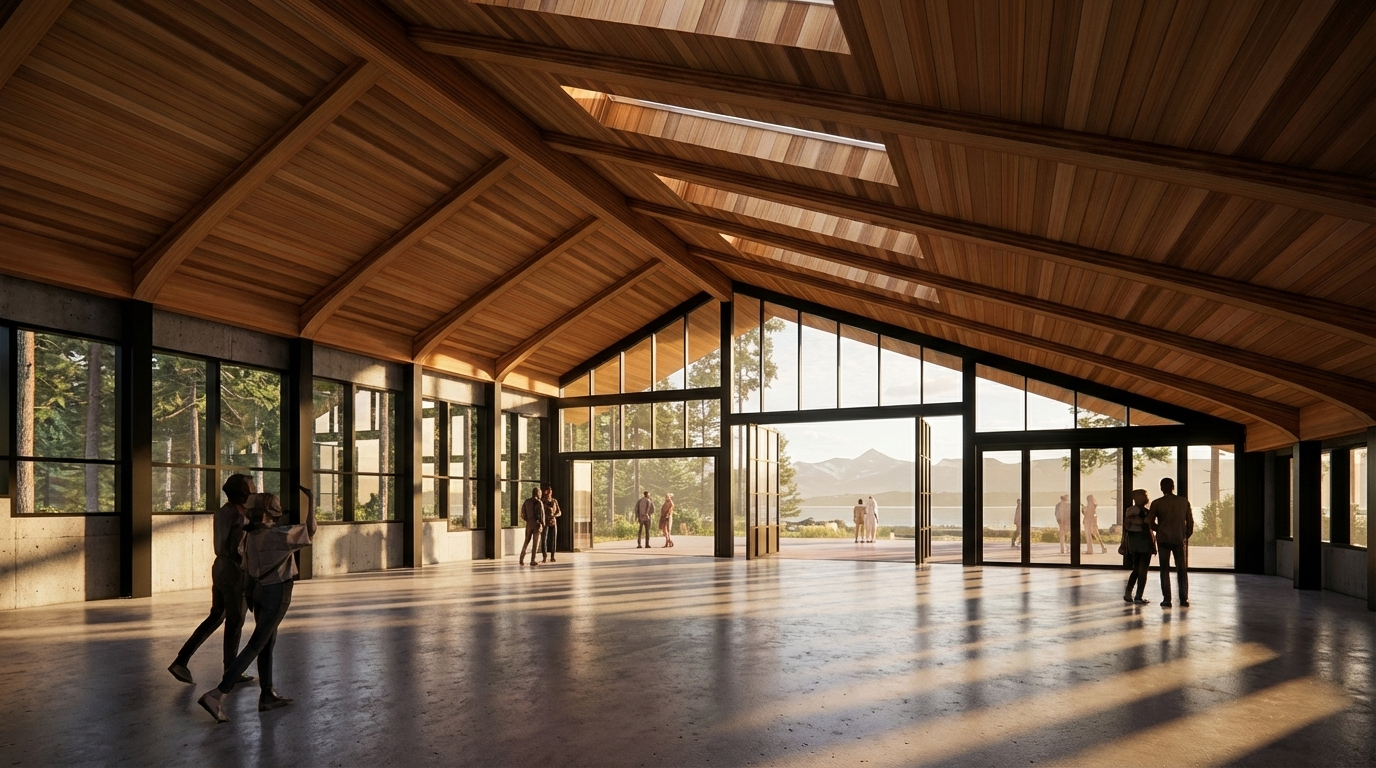
Ian Colburn (IC): The sustainability framework that I use was developed over years working on global projects in diverse climates. The most influential project to solidify the sustainability pillars was the Museum of Environmental Sciences for the University of Guadalajara in Mexico.
The team quickly realized we needed a way to understand what sustainability meant to the client. It was also important to define a series of drivers that the project could react and respond to, validating our decision-making as the project progressed and changed. So, we developed the SEECI framework of five drivers: Social, Environmental, Economic, Cultural, and Intellectual.
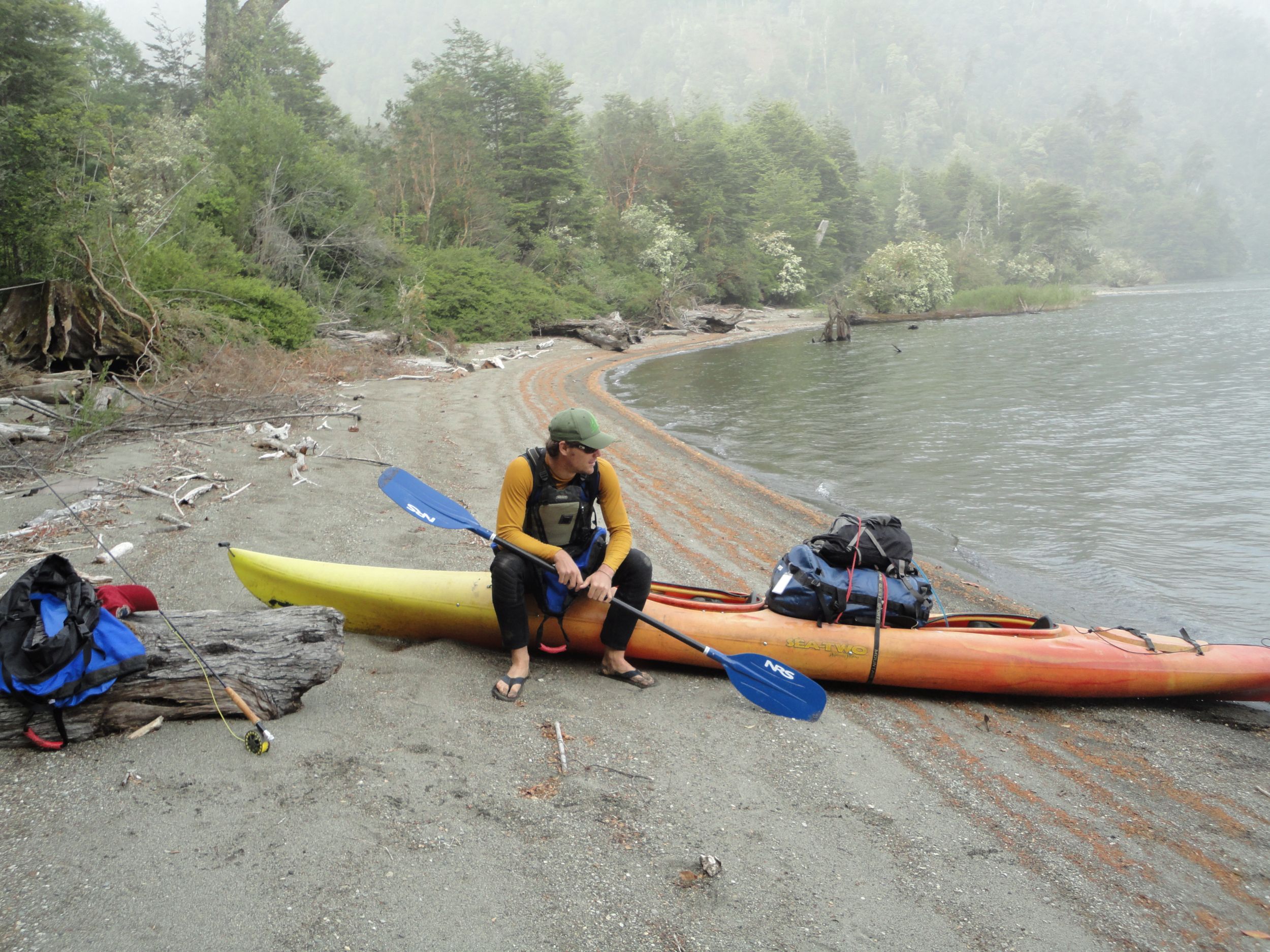
IC: The social driver considers how a project impacts the communities that engage with it. It’s thinking about how people interact with and use the space itself, and also react to each other in that space.
The environmental impact is thinking about the climate and how the project uses mechanical systems and physical materials that can lower a building’s environmental impact. This category is traditionally what people think of as “sustainability” and is constantly developing as technology advances.
None of this can happen without economic sustainability, which is as important as mechanical or social sustainability. Establishing budgets up front is necessary for a project to even happen, but helping owners and inhabitants understand the long-term costs is equally important.
Thinking about cultural sustainability, you have to work to understand the culture that you’re building for through immersion, conversations, and intentional research.
If you're thinking about making a building that's going to last 150 years, then it will likely be influencing or affecting the culture for that amount of time as well.
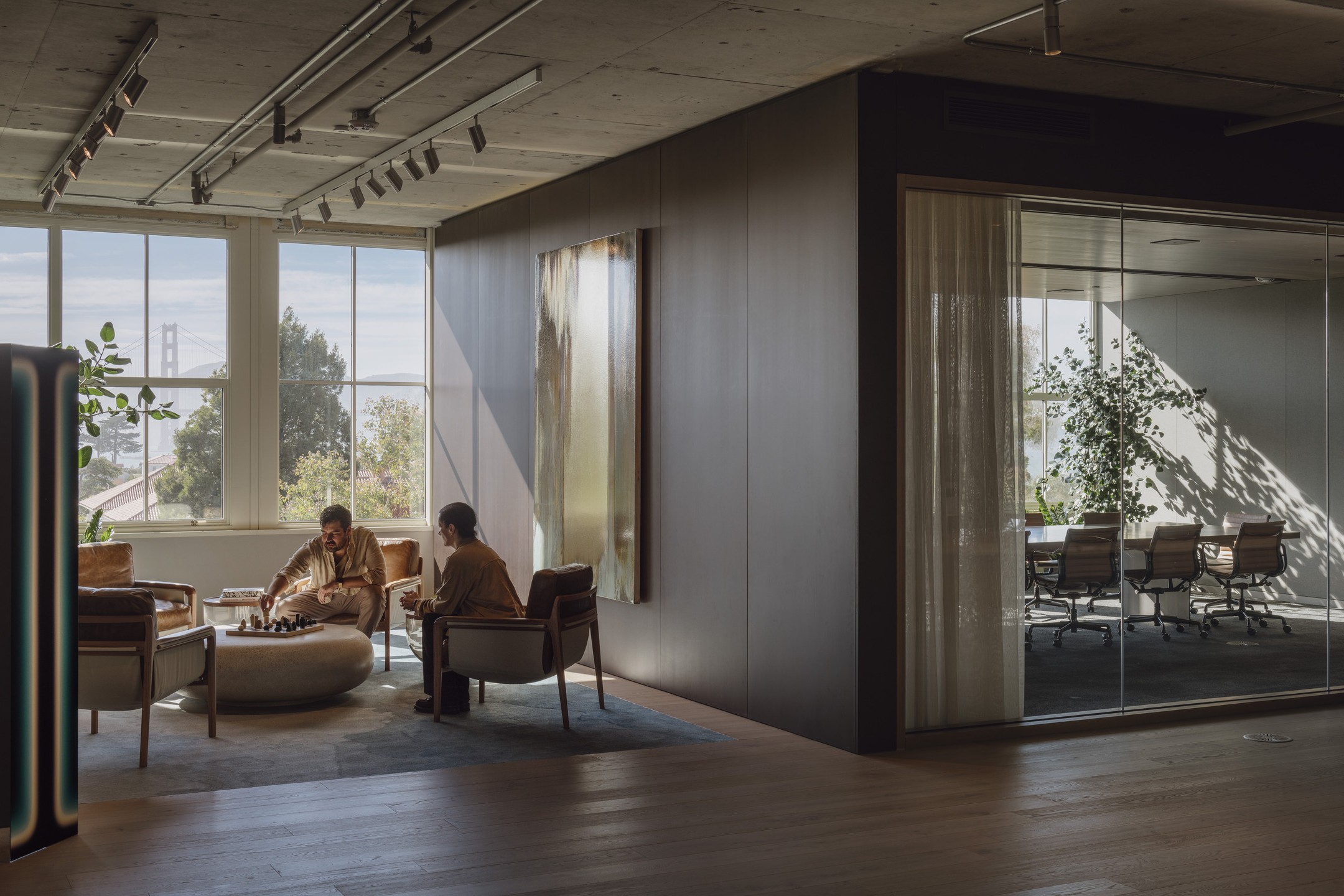
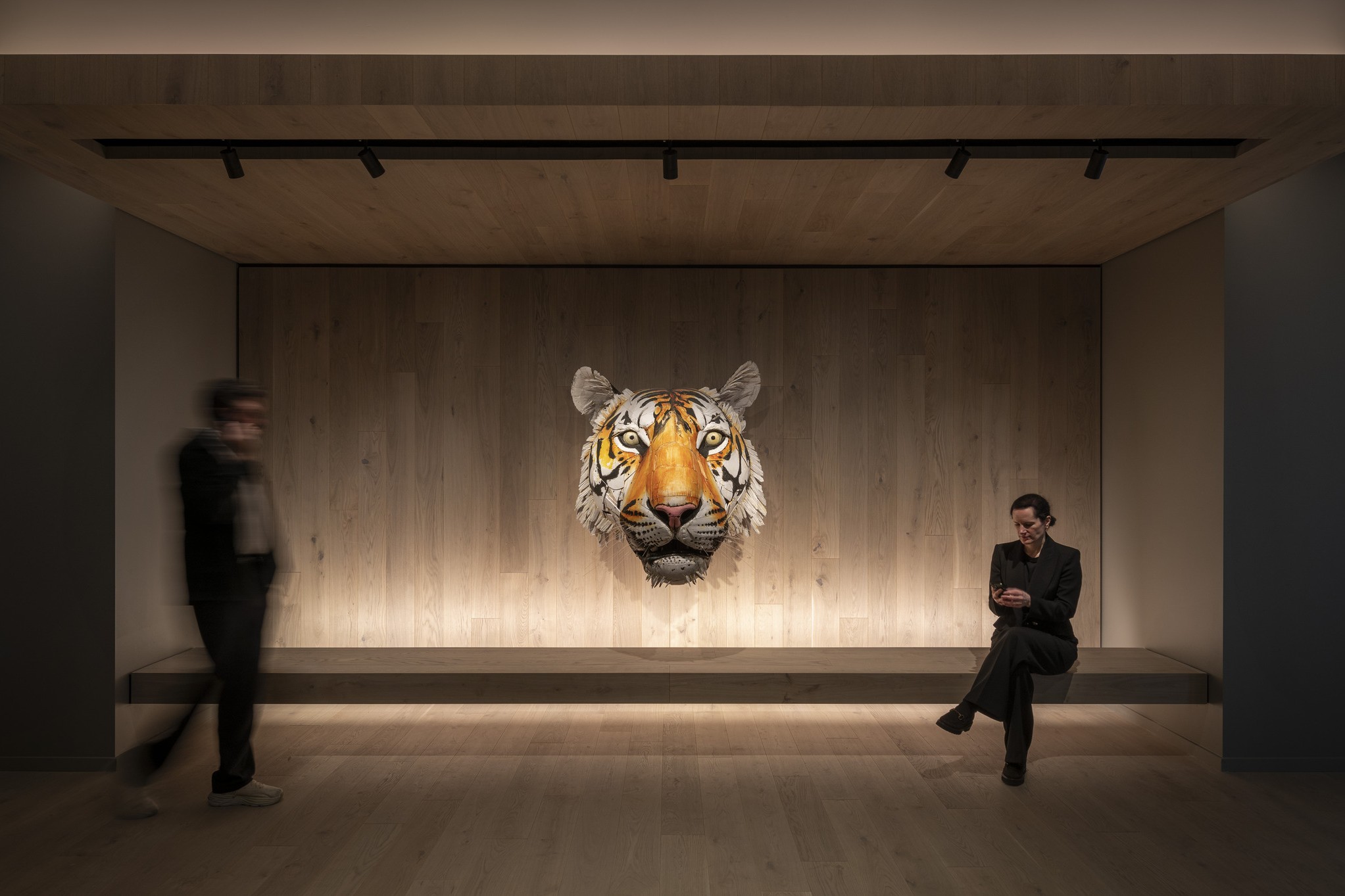
Intellectual sustainability is something I’m currently interested in exploring more. When someone enters a space like a museum or library, there is often an immediate sense of awe or wonder — there is a level of palpable intellectual engagement occurring here. Whether conscious or not, visitors feel elevated when they enter these buildings or landscapes; they feel like they’re in a special place.
While it’s most evident in cultural and civic projects, it should be present across all project typologies.
This sustainability framework can be applied on any scale, the proportions of which are dictated by the size of the project. I've spent a lot of time thinking about each category and refining my definitions for them. I always carry these drivers forward to every project and they’ve been super helpful.
IC: The Spartan Village on the Paseo for San José State University was a design-build project where we were able to stretch our thinking and creatively apply pieces of the framework thanks to a great relationship with the client and the developer.
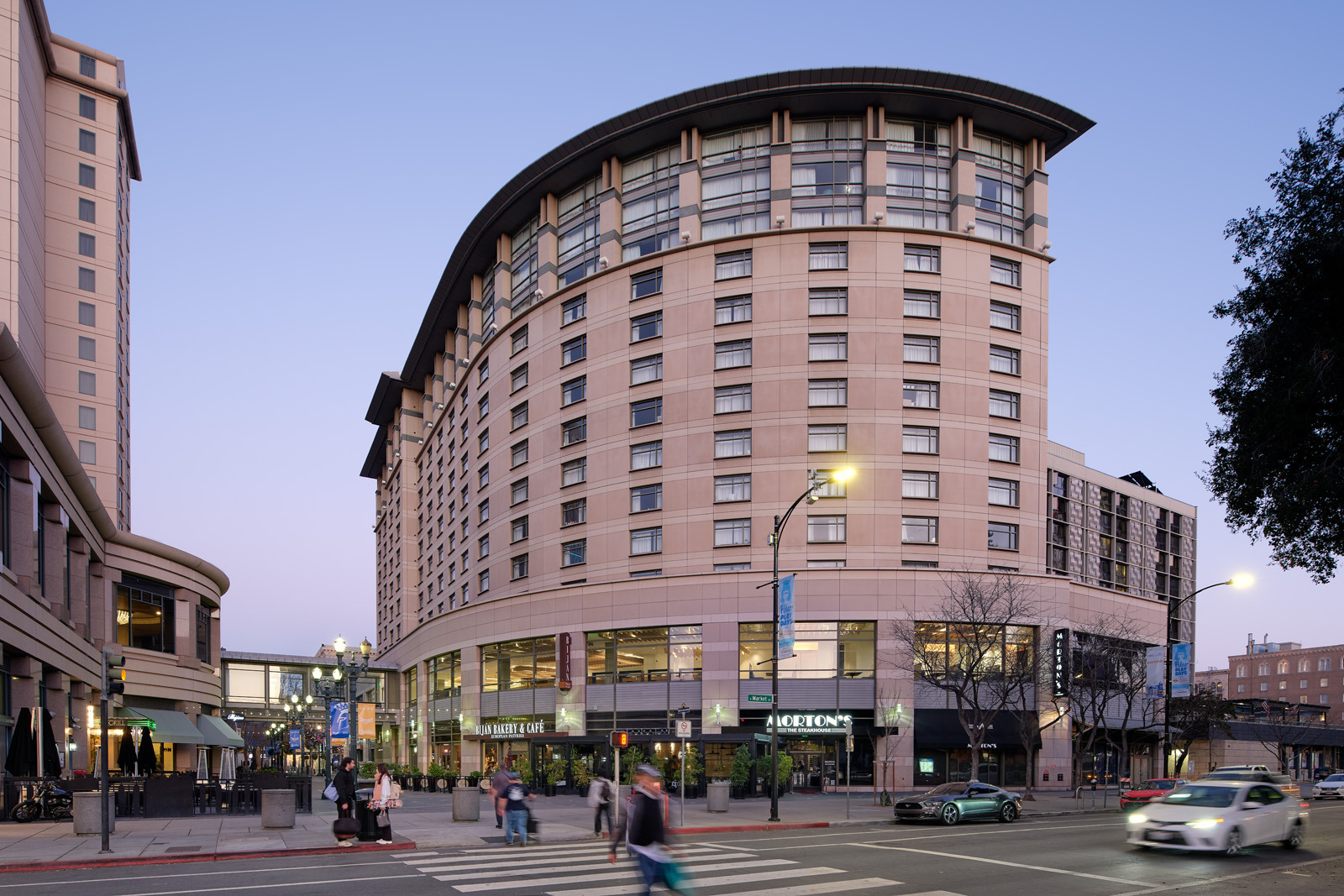
It started as an adaptive reuse interiors project to transform a hotel in downtown San José into student housing. But socially, it turned into a project that expanded the university beyond its original campus and wove it into the fabric of downtown.
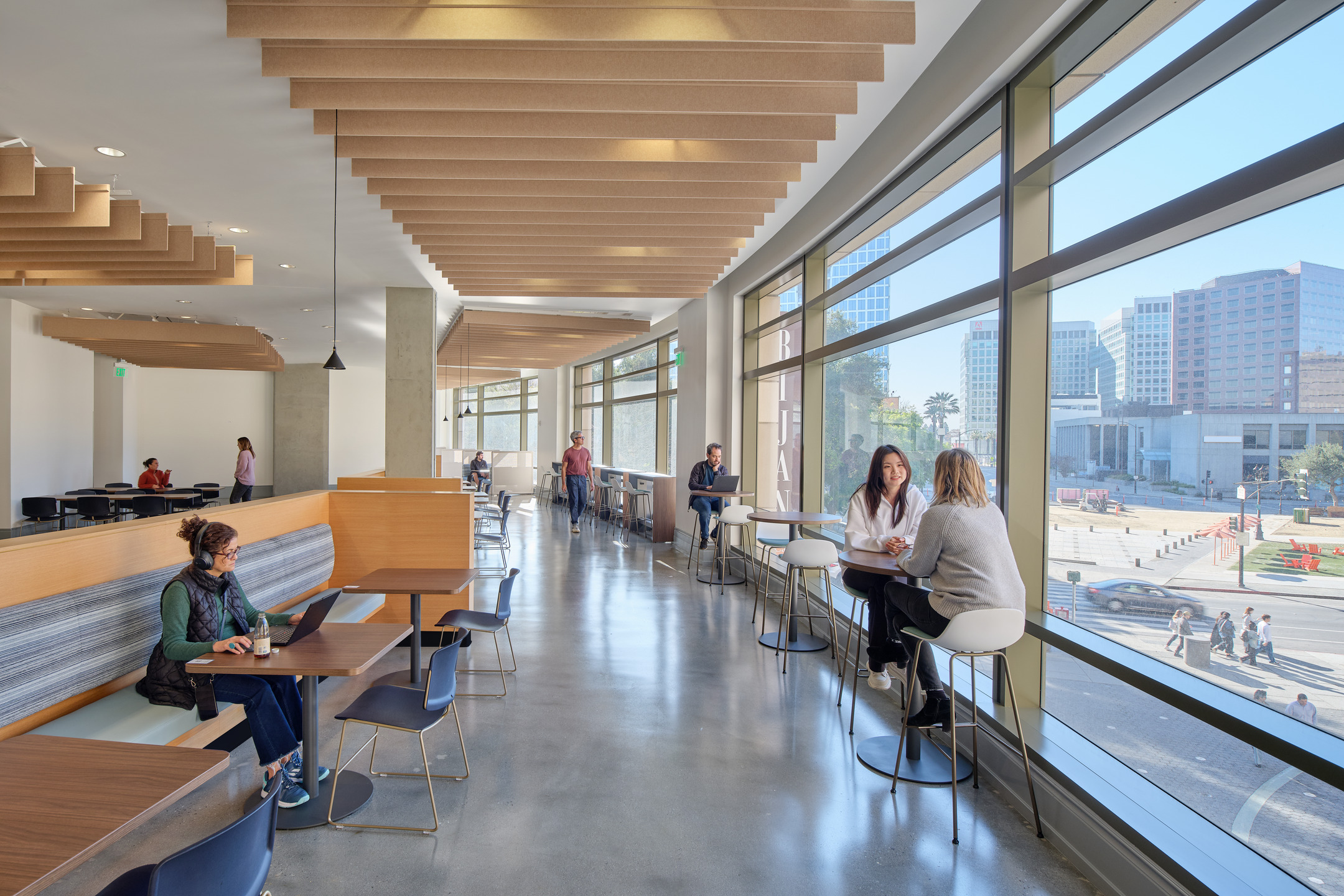
The pedestrian paseo that connects all of San José serves as a direct artery for students to walk between the building and existing campus. The new housing gave the university a physical presence downtown and even though it was an interiors renovation, it became more of an urban design project as we realized how much of an economic impact it was having. It changed how the university interacted with the city and vice versa, making students more engaged with the downtown.
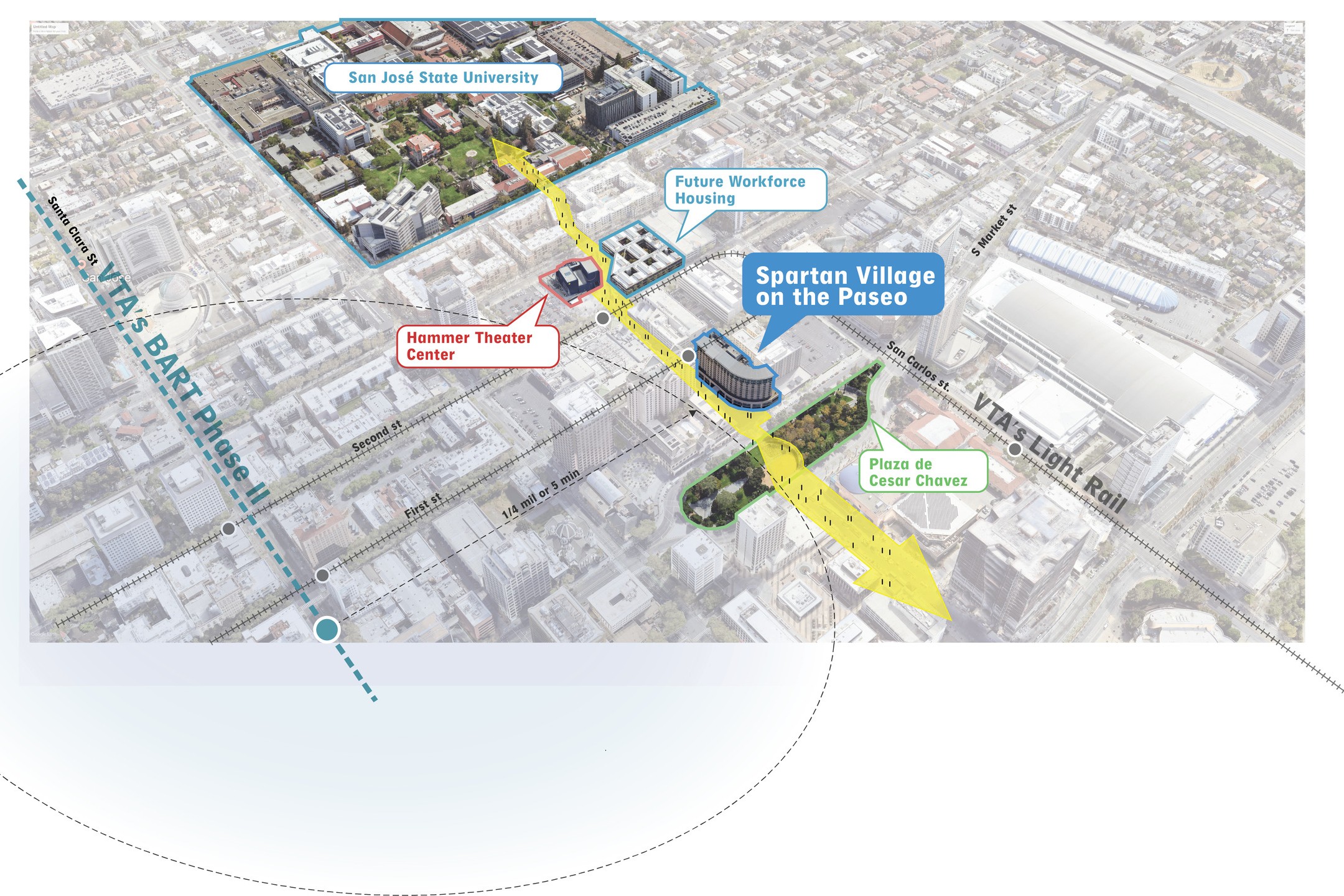
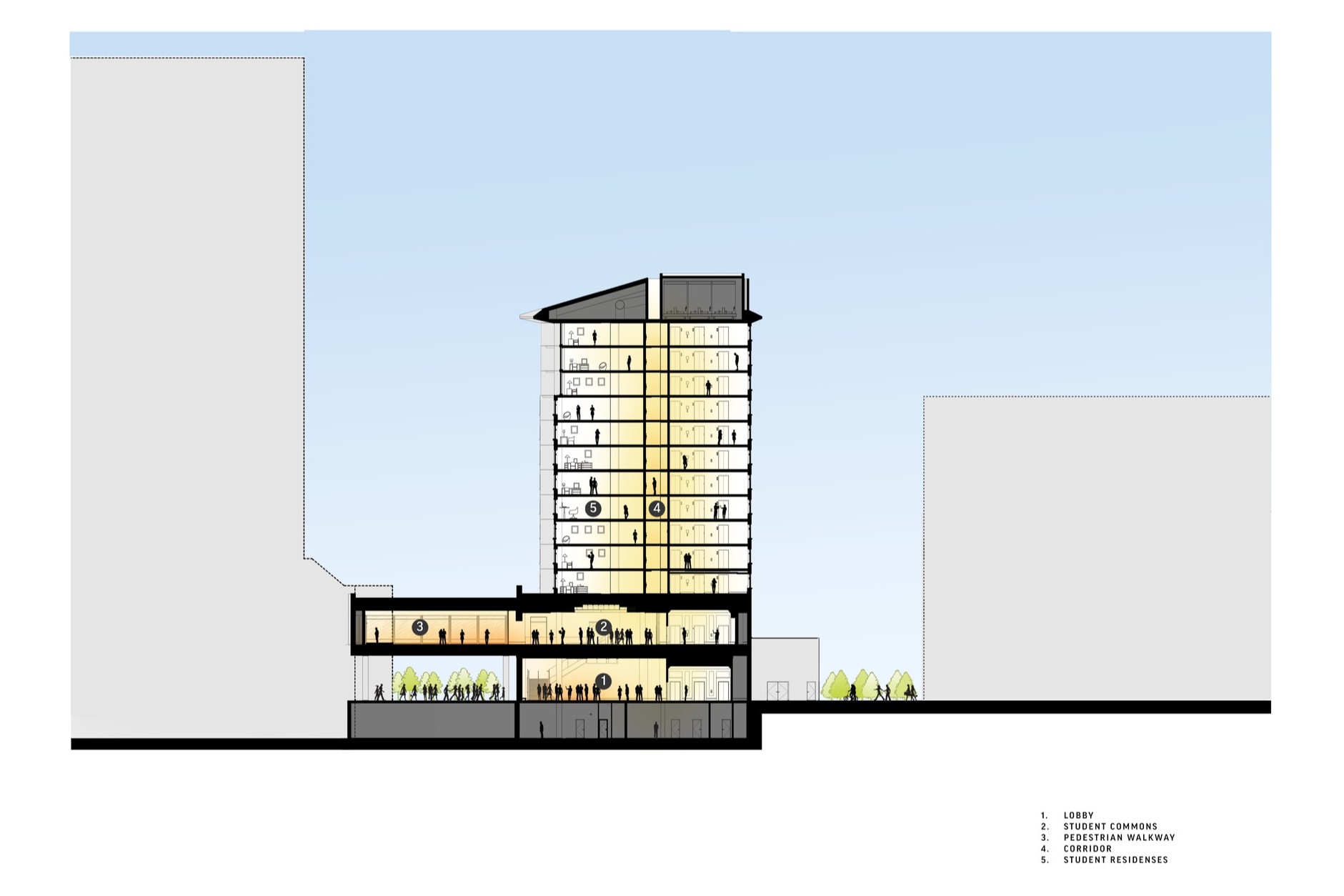
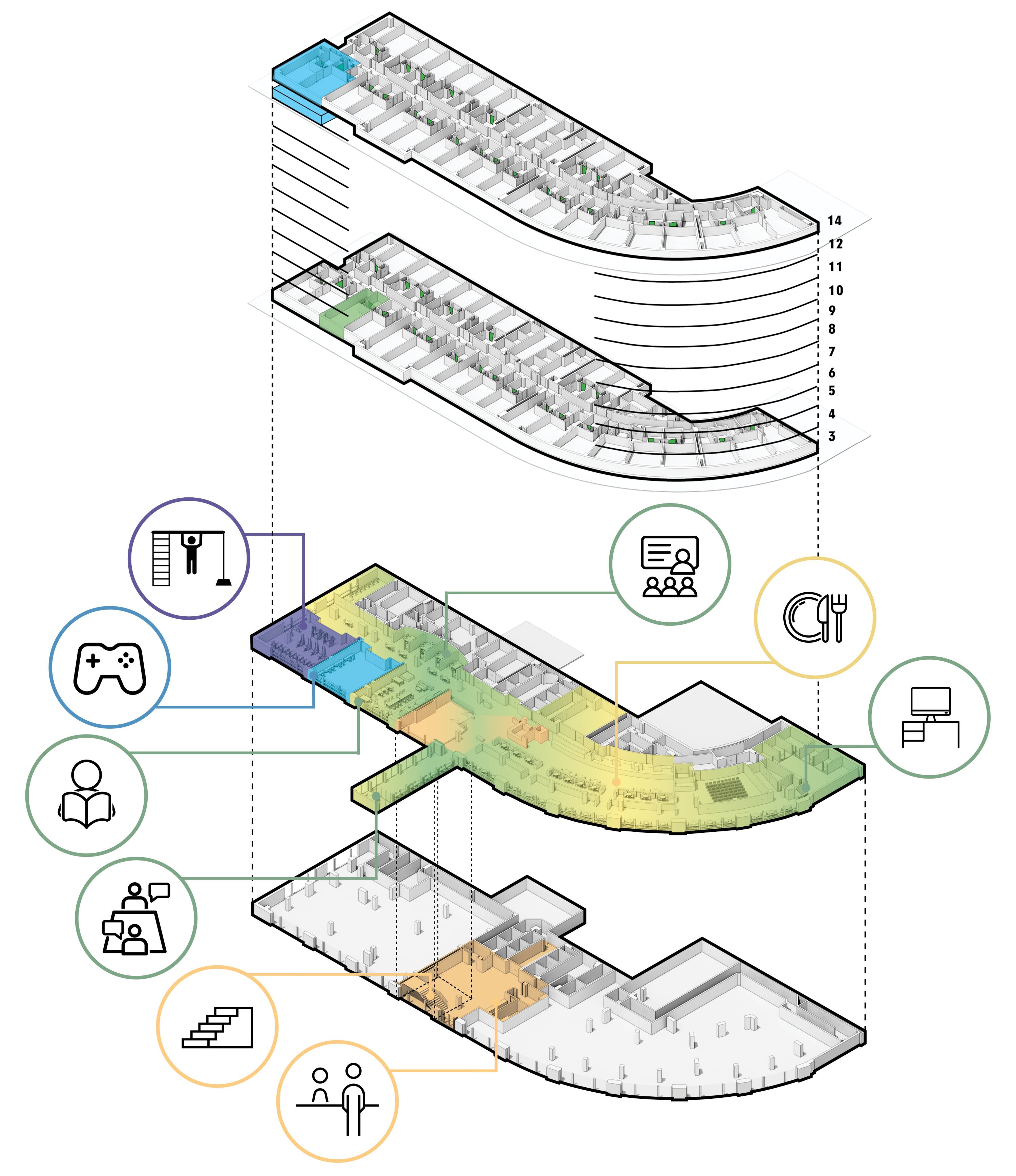
From an environmental perspective, reusing an existing building is a huge win. It introduces a level of intellectual sustainability by changing how students think about and use their city.
IC: Buildings will always be around, and we’ll always have rain and light, water and people.
I think the cultural and social dynamic of human beings is always changing, while the parts that make up architecture and construction remain mostly the same. By that, I mean there will always be people and environmental conditions, but the questions of why we build spaces, define landscapes, or inhabit structures—those are all cultural or social understandings that we've agreed upon at this moment in history.
Considering the impact of our work through the sustainability framework helps contextualize not just the present moment, but also the potential that the future holds.